

Table of Contents
- Introduction
- An Altered History
- World War III
- A Broken New World
- Survey Teams and Their Mission
- Bases
- Mesa Base
- Legacy Bases
- Current Bases
- Space Stations
- Vista
- Skylab
- Salyut
- Earthwatch
- Spacecraft
- Legacy Spacecraft
- Transport Capsule
- Falcon
- Gyrfalcon
- Hawk
- Eagle
- Thunderbird
- Discovery
- Vehicles
- Hostile Environment Transport Vehicles (HETV)
- Sparrow
- Condor
- Weapons
- Environmental Protection Suit
- Legacy Weapons
- Taser Stun Pistol
- Gauss Gun
- Railgun
- Equipment Availability Timeline
- Vignettes
- The Comancheros
- The Hand of God
- The Fixer
- The Gift
Introduction
When I created this variation the internet was something entirely new that you accessed using Netscape and AOL so I took much of my background and visual representations from magazine articles on weapons & equipment, movies & television series’ that were available at the time. Though I have reworked this opus minora for our new digital medium I have tried to maintain something of the time in which it was created, so there is an abundance of “Easter eggs” for those familiar with ’70s and ’80s media. The catalyst for all this was the TV series “Men into Space” followed by “UFO” (sans UFO’s) and “Space: 1999” (Sans Breakaway) that painted a somewhat rosy picture of the future of manned space exploration given subsequent events. I have included a few campaign vignettes at the end of the essay to provide the GM with something of the mood of the Lunar society, which has more in common with that of “Babylon 5” and “Outlander” – with a little “Brave New World” thrown in – than with “Space: 1999” or “Star Trek”.
Though it was created in the late-’80s/early-’90s specifically for Morrow Project I attempted here to allow individual GMs the freedom to use whatever game system they are most comfortable with. To that end I have provided a great deal of description and very little in the way of game mechanics and where possible have equated unique weapons or vehicles to those that one might find rules for in their system of choice. Please to not be daunted by the amount of material presented, particularly as regards the altered history and descriptions of items that you may not consider necessary to your game. All of this background is provided as information that a player might find of interest or a player character might be considered to know and also allows the GM the flexibility to play the gaming group as members of a Lunar Survey team, members of a Morrow or Special Forces team that encounters them or as members of an indigenous population that make contact with them. Feel free to use it as and when you wish.
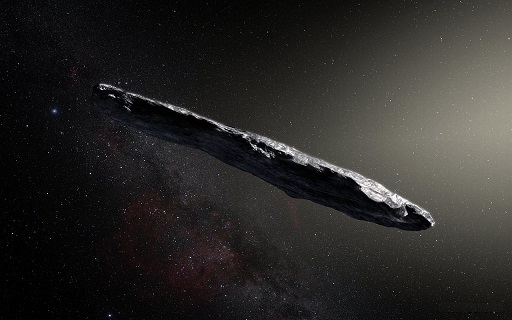
As a side note, there is also another option. In 2017 a cigar shaped interstellar object, about 400 meters long and some 40 meters in diameter, was detected passing through our Solar System and there was some conjecture that it might well be something more than just a wandering asteroid. By now it has passed through the Solar System and returned to interstellar space, but what if it didn’t? What if it had instead passed close to the Sun in order to change its trajectory and align itself with the Solar plane and then on out to one gas giant after another, aerobraking each time, before heading inward again toward the inner planets and taking up an orbit around Mars, Earth or Venus (depending on the disposition of the GM)? These maneuvers would take years, perhaps a decade, but what would a decade be to these folks? Is it a robotic scout ship finding habitable planets or terraforming inhabitable planets for follow-on vessels or planting stargates for an alien race that may or may not be extant (yes, I stole that part)? An alien generation ship or colony ship with its population in suspended animation? I guess that would be up to you.
An Altered History
On 8 Nov 1960 Democrat John F. Kennedy, with running mate Lyndon B. Johnson, became the 35th president of the United States. During a tumultuous first term that included the construction of the Berlin Wall, the Bay of Pigs fiasco, the Cuban Missile Crisis and a Nov 1963 assassination attempt in Dallas, Texas, he succeeded in the creation of the Peace Corps, the Nuclear Test Ban Treaty (1963), the Civil Rights Act (1964) and sweeping economic and social reforms of the “New Frontier” program. In reaction to widespread criticism of intelligence failures, both domestic and foreign, during this time he also initiated a major reorganization of the United States intelligence community in early 1964. In Oct 1963 Kennedy ordered the withdrawal of 1,000 military personnel from Vietnam by year’s end and complete withdrawal by 1965 at which point, though South Vietnam would continue to receive American support, it would stand or fall on its own. As part of the Kennedy Doctrine, the U.S. avoided giving direct combat assistance to its allies and instead gave them monetary and materiel assistance to defend themselves. Having been rebuffed by Khrushchev regarding international cooperation in space in 1961 Kennedy became eager for the U.S. to take the lead in the Space Race for reasons of national security and prestige as part of a strategic program to limit Soviet power and influence. On 25 May 1963 Kennedy committed the United States to the goal of ” landing a man on the Moon and returning him safely to the Earth” and in a September 1963 speech before the United Nations Kennedy again urged cooperation between the Soviets and Americans in space and was again rebuffed, this time by Leonid Brezhnev.
In 1964 John Kennedy, keeping Lyndon Johnson on as promised, succeeded in reelection to a second term, during which Congress would pass major social and civil rights legislation as part of his “Great Society” program. During Kennedy’s second term Lyndon Johnson also remained chairman of the National Aeronautics and Space Council and was given a blank cheque to pursue the goal of American dominance in space. Though Kennedy had little enthusiasm for manned space exploration itself he was adamant that the United States would not be put at a strategic disadvantage by the presence of operational Soviet orbital and lunar stations. To that end NASA and the USAF were to pursue three programs simultaneously, the orbital space plane, the manned orbital laboratory and lunar landings to explore the possibility of a permanent presence on the Moon. On 27 January 1967, the US and USSR signed the United Nations Space Exploration Treaty but on 05 June 1968 John Kennedy was killed and his brother Robert severely wounded at the Ambassador Hotel in Los Angeles during the 1968 California presidential primary elections and the assassin, Sirhan Sirhan, was shot and killed by Secret Service agents. During his month in hospital Robert Kennedy was declared the Democratic Presidential Candidate by acclaim, with Robert Sargent Shriver as his running mate, going on to win the 1968 election by a narrow margin to become the 37th president of the United States after Johnson’s six months holding the office as required by law.
After much preparation Apollo 8 and Apollo 10 each carried a three man crew to orbit the moon and then safely landed in the Pacific Ocean, paving the way for the Apollo 11 mission that brought men to the surface of the Moon and returned them safely to Earth. A year later construction began on Moonbase 1 and the joint Euro-American space station “Vista”. His administration also supported affirmative action and the Equal Rights Amendment, successfully passing anti-discrimination legislation that allowed women to serve in all areas of the military and government. During this time tensions decreased between the United States and China even as they increased between China and the USSR, culminating in the Soviet Union yielding to pressure for détente with the United States. From this came agreements for increased trade and two landmark arms control treaties, lessening tensions with the USSR. China and the Soviet Union both cut back on their diplomatic support for North Vietnam and advised Hanoi to come to terms militarily, leading to a brief ceasefire and truce, before fighting broke out again. North Vietnam would go on to conquer South Vietnam in 1975 as all of Southeast Asia fell under communist control, bringing into question the administration’s foreign policy.
Kennedy and Shriver again won the 1972 election, this time with a landslide victory. On 24 May 1972 Kennedy had approved a five-year cooperative program between NASA and the Soviet space program, culminating in the 1975 joint mission of American astronauts and Soviet cosmonauts at the newly completed “Skylab” space station . At the time Kennedy took office in 1969 unemployment was low but interest rates were at their highest in a century and inflation was at 4.7 percent. The social programs that began during his brother’s presidency, together with the manned space program costs, was causing large budget deficits and the soaring inflation caused by the 1973 oil crisis created a tough environment for the Democratic Party. Their failure to control inflation also brought the administration’s continued support for the expensive national space program into question and prompted Shriver, who was now chairman of the National Aeronautics and Space Council, to explore ways the program could pay for itself by encouraging the direct involvement of private enterprise. This culminated in the construction of Moonbase 4 beginning in 1975 and the creation of an ongoing revenue stream for NASA and their major aerospace contractors from private sources. Even so, by the end of this second term, inflation was over twelve percent and unemployment was steadily increasing, plunging the country into the worst recession since the Great Depression.

During the 1976 Democratic primary Massachusetts Senator Edward Kennedy, the heir-apparent to the Kennedy Presidential dynasty, was largely removed from contention due to the release of details regarding the July 1969 Chappaquiddick incident. Instead, the surprise winner of the 1976 Democratic presidential nomination was Jimmy Carter, a former state senator and governor of Georgia, who then chose Minnesota Senator Walter Mondale as his running mate. Carter managed to win the Presidential election by the narrowest of margins, the closest electoral vote since 1916, to become the 38th president of the United States. Carter’s tenure was a time of continuing inflation and recession, made worse by a second energy crisis in 1979, and his final year was marred by the Iran hostage crisis and the Soviet invasion of Afghanistan. For this reason America’s Lunar operations were severely curtailed and Skylab missions reduced and underwritten by the private sector while NASA and USAF efforts became increasingly focused on maintaining operational Ranger and Talon aerospace craft and continued development of the Space Shuttle.
World War III
The November 1980 United States presidential election saw Republican nominee Ronald Reagan, with Texas Congressman George H. W. Bush as his running mate, defeat incumbent Democrat Jimmy Carter in a landslide victory. Immediately on taking office as president, Reagan began implementing sweeping new political and economic initiatives and transitioned Cold War policy from détente to rollback by escalating an arms race with the USSR. The Soviets became concerned when, in March 1983, Reagan introduced the Strategic Defense Initiative – a defense project that would have used ground- and space-based systems to protect the United States from attack by strategic nuclear ballistic missiles – and the planned deployment of intermediate-range Pershing II missiles in Western Europe. In April 1983 the United States Navy conducted FleetEx ’83-1, the largest fleet exercise held to date in the North Pacific, and attempted to provoke the Soviets into reacting to allow the U.S. Office of Naval Intelligence to study Soviet radar characteristics, aircraft capabilities, and tactical maneuvers. With relations between the United States and the Soviet Union deteriorating, Soviet intelligence services were attempting to detect the early signs of a nuclear attack and on 7 Nov 1983 NATO began to simulate one. The exercise, codenamed Able Archer 83, involved numerous NATO allies and simulated NATO’s Command, Control, and Communications (C³) procedures during a nuclear war. Able Archer also simulated a move through all alert phases, from DEFCON 5 to DEFCON 1, and while these phases were simulated KGB agents mistakenly reported them as actual. Coincidental to this was the American invasion of the island country of Grenada in late-Oct 1983, which saw an increase in encrypted communications internally and between the United States and Britain.

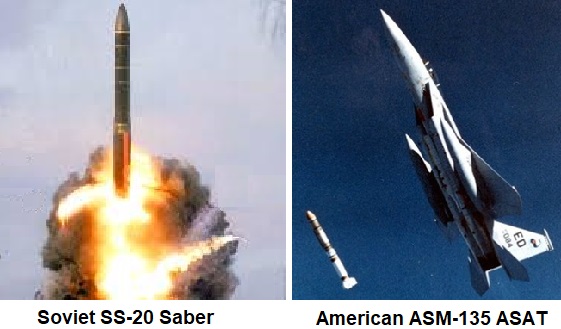
The Soviet Union, believing its only chance of surviving a NATO strike was to preempt it, readied its nuclear arsenal and considered the probability that war was inevitable and might start at any moment. On the morning of 11 Nov 1983, as Able Archer reached its climax, the Soviet orbital missile early warning system mistakenly reported multiple intercontinental ballistic missile launches from the territory of the United States. Within minutes Soviet nuclear forces went from ready alert to active launch status, catching NATO forces entirely flat footed and still in exercise mode as IRBM’s such as the SS-20 launched toward European military and nuclear targets. North American nuclear forces fared somewhat better, having more time to react as Soviet ICBM’s were launched, and were able to launch a full retaliatory missile strike as per established operating procedure. The only launch ready W70 armed ASM-135 and its F-15 Eagle launch platform was successfully deployed from Edwards AFB, California, to intercept incoming ICBMs targeting that region, saving the base and environs from destruction. Two Talon interceptors, which were on “Ready Five” status as part of Able Archer, were also able to launch and eliminated missiles targeting Washington, D.C., and nearby bases and Cheyenne Mountain, CO, and nearby bases but Vandenburg AFB and the remaining Talon interceptors were destroyed. Cape Canaveral, with its Ranger transports and Challenger space shuttle, was also lost along with all other continental Army, Navy and Air Force bases.
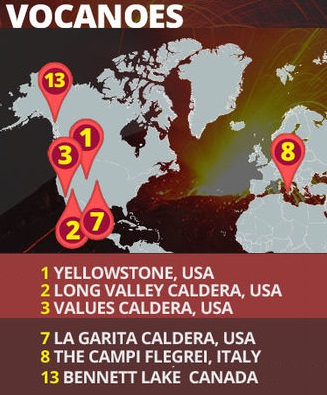
With primary and secondary targets across the northern hemisphere destroyed, the sun was blocked out by huge fires all across two continents. This was made worse by high altitude aluminum oxide chaff that had been deployed by the Soviets to disrupt American satellite reconnaissance and radio communications. Though Turkey, Pakistan and Israel had been targeted, as American allies, China and India emerged relatively unscathed as neither launched their nuclear assets. Surviving NATO and Soviet submarine nuclear forces then proceeded to launch tertiary attacks against Soviet and Warsaw Pact targets and coastal North America, Hawaii and bases in Australia respectively. As a final act of destruction, Soviet ICBM’s with “bunker-buster” nuclear warheads were sub-launched against the volcanic islands of Iceland and La Palma, Campi Flegrei super-volcano (located beneath Naples, Italy) and all five North American super-volcanoes, which in turn activated every fault line and volcano in the Pacific northwest. The La Palma detonation caused a mega-tsunami that devastated the east coasts of North and South America from Argentina to Canada and scoured clean the Caribbean Islands. These titanic explosions pumped not only ash but volcanic glass dust into the stratosphere which, along with smoke, nuclear ash and chaff, eventually covered the entire globe and plunged the Earth into a nuclear/volcanic winter that it was believed nothing could survive.
A Broken New World
The effects of the nuclear exchange and subsequent volcanism in 1983 were immediate as nuclear fallout and clouds of ash and smoke covered the world and blocked out much of the sunlight. A great deal of the coast west of the Rocky Mountains was subsumed allowing the Pacific Ocean to reach the very foothills for a time and turn Death Valley into an American Dead Sea via a fractured fault line but this area would again become accessible as sea levels dropped due to glaciation. Most of the central plains of North America were smothered in ash fall that could be up to 10 meters in depth while the east coast had been struck by a devastating tsunami, generated by the collapse of Cumbre Vieja volcanic ridge on the volcanic ocean island of La Palma in the Canary Islands [see: https://en.wikipedia.org/wiki/Cumbre_Vieja#Future_threats ], that wiped out everything to the St Lawrence River and Appalachian mountain range. This mega-tsunami also scoured clean the Florida peninsula and the islands of the Caribbean and greatly damaged the east coasts of Central and South America. In Europe the nuclear exchange and detonation of the Campi Flegrei super-volcano made most of the area uninhabitable from England to the Urals in the north and all but destroyed Southern Italy. The tsunami and, to the east, volcanic ash devastated the western Mediterranean islands, the coasts of France and Spain, the coast of North Africa, the Balkans and the Levant. The Levant was also greatly affected by the fallout from the Soviet nuclear strike against Israel and Turkey.
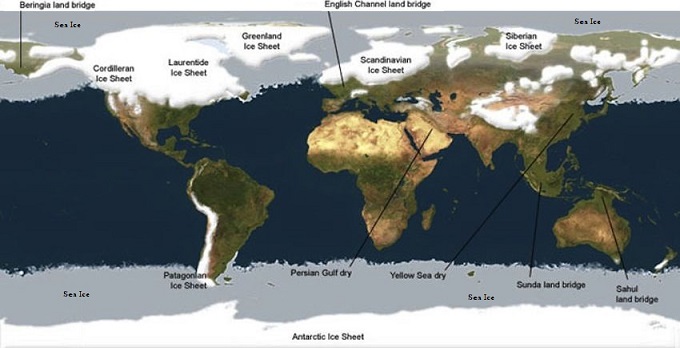
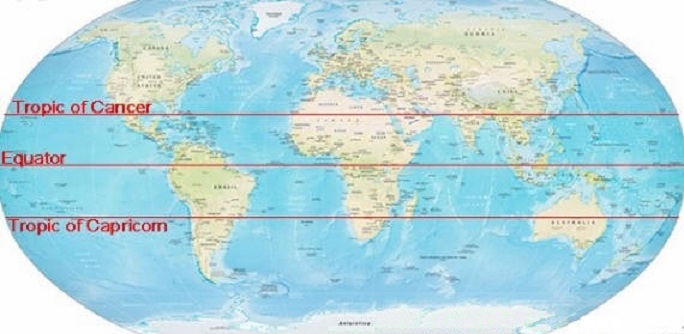
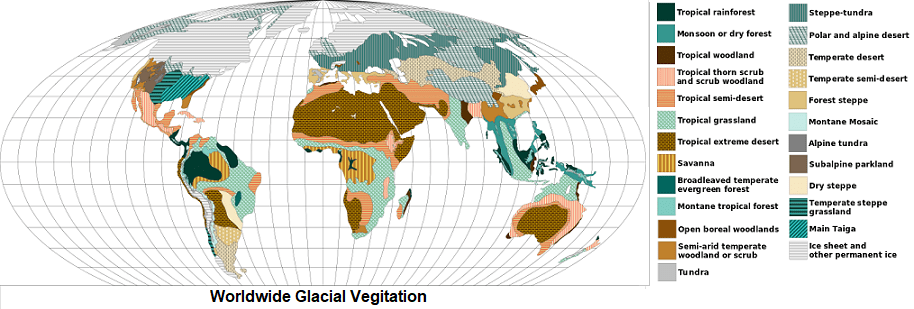
The heat and cloud cover generated by all this initially raised global temperatures even as the sun was being blocked out and the great die-off of plants and animals began. However within a few years temperatures plunged creating a climate similar to that of the Younger Dryas glacial period [see: https://en.wikipedia.org/wiki/Younger_Dryas ]. Ice sheets and arctic conditions spread across North America (where glaciation was at its worst) to the middle of the continent, Europe to the Spanish Pyrenees and Italian Alps and Asia to the Caucasus, Hindu Kush, Himalayas and across the Gobi Desert to the North Pacific. Thus the habitable areas were for the most part reduced to equatorial and tropical zones and in order to survive any population remaining in the northern hemisphere migrated south toward the Tropic of Cancer in North America and below the 44th parallel in Europe & Asia, which were less affected by glaciation. In the southern hemisphere, migration was toward central Africa, northern Australia and northeastern South America north of the Tropic of Capricorn.
Be that as it may, the immediate effects of nuclear fallout and follow on effects of nuclear/volcanic winter and subsequent famine due to large scale die-off reduced the human population by some 80%, to about 1 billion souls worldwide (the population in 1800), and forced it to revert to an agrarian society with greatly reduced technological and industrial capabilities [see: https://en.wikipedia.org/wiki/Nuclear_holocaust#Effects_of_nuclear_war ]. There were of course outliers to this scenario based entirely on what might be salvaged but the loss of transportation and communications infrastructure generally reduced organisational capabilities to, at worst, county/municipal districts and, at best, state government. This would only apply within the habitable zones and there would undoubtedly be disparate hunter-gatherer societies surviving in sub-arctic regions, not unlike the Inuit, between these zones and the glacial ice sheets
In the Americas the primary language became Hispanic, a combination of Central and South American dialects of Spanish and Portuguese, with English and French all but forgotten except for loan words. In the north the primary religion was a sort of unified Christianity sharing similarities with High Anglicanism and in the south Catholicism remained dominant. The political system throughout the region remains democratic, as evolved from various Central and South American systems and strongly influenced by that which had existed in the United States. The dominant states are Brazil and Mexico (including Texas and New Mexico), which maintain a late-18th century tech level while the remainder of Central and South America is more that of the early-18th century. The only surviving terrestrial launch facilities are to be found in South America, though they have been reclaimed by the jungles of Guiana and of little use other than as salvage.
In Mediterranean Europe, the dominant language groups in Spain and northwest Africa are Spanish and Éirinn (Irish/Scottish), carried to those shores by migrating Scottish, Irish, Welch and Cornish survivor groups, and the primary religion is a strict Catholicism. These groups also settled along the depopulated French coast, Corsica and Sardinia along with displaced Nordic populations in northern and alpine Italy alongside surviving Swiss, Austrians and northern Italians. Here the dominate language groups are Gaelic (Scottish/Welch ) & Nordic (Norwegian/Swedish/Finnish/Danish), with German (Swiss/Austrian) & Italian (Swiss/Italian) to the west and south respectively and the dominant religions are united Protestant Christianity (Methodist, Presbyterian, Lutheran) and Catholicism. English remains in use as a diplomatic and trade language between these groups. Greece has become a hodge-podge of Balkan survivor groups with each retaining their own language (using the Cyrillic alphabet), though Russian is used for trade and diplomatic purposes, and their own culture to some degree but the dominant unifying religion remains Orthodox. The demographic here is primarily Slavic with large pockets of Illyrian to the west and Greek to the southwest. Greece and Spain have maintained a late-18th century tech level with the areas between just managing to hold on to that of the early-18th century. Each of these areas maintain some sort of democratic political system. During the war the American bases in Rota, Spain, and on Crete and the British bases in Gibraltar and on Cyprus were all nuked.
In western Asia the dominant cultural, linguistic and religious group is Arabraic and, therefore, Islamic extending into East Africa and the eastern Mediterranean. The major states (Egypt (including northern Sudan), Arabia (Arabian Peninsula and southwestern Iraq) and Iran (including eastern Iraq and northwestern Pakistan) and minor states (Assyria (including Lebanon, Israel, Jordan and western Iraq), Turkey (east of the Turkish Straits), Kurdistan (including southeastern Turkey, northern Iraq and northwestern Iran), Azerbaijan (including Armenia and northeastern Iran), Ethiopia (including Djibouti, Eritrea and Somalia) and Afghanistan (including northeastern Pakistan)) are all independent or semi-independent sultanates that are part of a greater Caliphate of Islamic States (as per the Organization of American States or European Economic Community) incorporating both Sunni and Shia Muslim sultanates as well as nominally Coptic Christian Ethiopia. The political system here is a sort of parliamentary monarchy, with princes within a family being selected or elected to the position of Sultan (or an Iman being elected to the position of Caliph) by their peers within the nobility. Major sultanates have been able to maintain a relatively high very early-19th century tech level with minor sultanates reduced to early- to mid-18th century.
In central Africa there are four dominant state entities – Islamic Ashanti Caliphate in the northwest, Catholic Kingdom of Congo in the southwest, Protestant Kingdom of Buganda in the east and Protestant Kingdom of KwaZulu to the south, all of which are hereditary kingdoms and all of which continue to use the Roman alphabet, though each has their own distinct language. Here Ethiopia acts as something of a buffer between Christian Africa and Islamic Middle East. The Ashanti Caliphate nominally includes all the current countries of West Africa but its powerbase lies along the coast with the Yoruba, Igbo, Fulani, Akan and Wolof ethnic groups the largest and most influential. The major demographics of the Kingdom of Congo are the Bantu and Mangbetu-Azande peoples and includes in its territory all of the current countries of central Africa. The major demographics of the Kingdom of Buganda are Bantu and Swahili and encompasses Tanzania, southern Sudan, Kenya, Uganda and northern Zambia and northern Mozambique, as well as the adjacent islands of Zanzibar, Comoros and Madagascar. The Kingdom of KwaZulu nominally includes all of the current countries of Southern Africa but in reality primarily control the southeastern regions including southern Zambia and southern Mozambique. The major demographics there are Zulu, Shona, Ovambo and Tswana. Although there are hundreds of tribal groups in these kingdoms and several hundred local languages and dialects are spoken, the linguistic variety is bridged both by widespread use of French and, to a lesser degree, English & Arabic in addition to various national intermediary languages. None of these states are entirely stable being more akin to the squabbling principalities of the Holy Roman Empire and there is a great deal of civil conflict and numerous border skirmishes. For that reason the tech level in these areas has fallen to something very close to the late-17th century.
The Indian sub-continent survived practically unscathed during the war and so retained its religion, language and culture intact but suffered greatly during the subsequent die-off and famine. While northeastern Pakistan gravitated toward culturally similar Afghanistan and northwestern Pakistan toward Iran most of the southern portions reverted to the Indian state, driven more by the course of events than intent. Though India continued to exist as a national entity its individual provinces (including Bangladesh, Nepal, and Bhutan) more resemble the Princely States of the British Raj or the late Mughal Empire. This means that each province has its own military and manufactory that, in principle, could be called upon by the Indian central authority as needed but the tech levels of these semi-sovereign provinces range from that of mid-18th to very early-19th century, with artisans producing painstakingly hand-made copies of original weapons, machinery and artifacts. Needless to say, quality tends to vary greatly.
In east and southeast Asia the primary religion is Buddhism and the dominant culture and language is (Mandarin) Chinese with other cultural groups either supplanted or assimilated throughout all of Mainland Southeast Asia (Indochina) to the Indian border, in no small part due to China’s large and intact military that included nuclear weapons at the outset. This conquest and migration, along with the terrible famine triggered by the lose of sunlight, effectively depopulated northern and central China and greatly reduced that of southern China and Indochina. Although fixed launch sites were soon rendered useless due to the effects of climate change and it is unlikely that mobile systems are still functional the possible existence of such served to protect its new national boundaries and keep internal unrest to a minimum for some time. The political system is neo-Communist one-party rule with a strong technocratic ideology so that it has been able to retain a late-18th to very early-19th century tech level.
In Australasia the dominate cultural and language groups are English & Indonesian and the dominant religions are Catholic, Anglican and Islamic while the rest of Oceana – which in the south suffered the volcanic effects of the bombing of American bases in Hawaii and in the north fallout from Japan, Okinawa and South Korea – has reverted to Polynesian cultural and language groups throughout the Pacific Islands though they maintain English language fluency and (Protestant and Catholic) Christian religion. Australia suffered a few sub-launched nuclear attacks during the war that eliminated most of its air and naval bases, and any nearby cities, and its launch facilities at Woomera. With most of the damage restricted to the north coast around Sydney and some parts of the west coast and with assistance from New Zealand, the population of which had to relocate to Australia (including the island of Papua) as glaciation progressed, and Indonesia (including maritime Malaysia and the Philippines) they were also able to retain much of their supporting infrastructure well into the glacial period. For that reason they are able to maintain a late-18th century tech level and have developed a loose trade confederation between the northern states, Indonesia and even nearby Polynesian islands that has recently come under pressure from an expansionist Indochina as receding ocean levels exposed a land bridge connecting the Malay Archipelago and the mainland.
Survey Teams and Their Mission
Though the original Earth and Mars Survey teams received a full year’s training and preparation current training is just six months followed by a six month deployment. The mission in both cases are the same – locate exploitable resources that can then be extracted and exported to the Moon to be used by the Lunar colonies. Despite the nearness of the Earth, Mars was chosen for the initial Survey missions because abrasive particles suspended in the Earth’s stratosphere rendered landing there an impossibility as any craft that attempted to enter the atmosphere would be torn to pieces. The landing point for the Mars missions was Mons Olympus – later becoming Olympus Base – and travelling and operating there was a relatively straight forward matter once the Lunar mass driver came into operation. When weak radio transmissions began to be received from Earth by Earthwatch Station it became apparent that particle density in the Earth’s upper atmosphere had fallen off significantly and was continuing to do so at an accelerated pace. It was at that point that Ranger and Talon aerospace craft were transported to the Moon to be rebuilt and personnel and resources began to be diverted from the Mars mission to a possible Earth mission. In the case of terrestrial Survey teams, they were also inoculated against every known disease before transitioning from their pristine artificial Lunar environment to having to contend with a completely chaotic and often dangerous natural environment. They were not, however, trained to deal with an indigenous survivor population, roving bands of raiders, warlord armies and other typical post-apocalyptic circumstances as such encounters were considered unlikely on a world believed to have been rendered uninhabitable.

Survey team members are intelligent, educated, and highly trained (med, comms, basic skill sets) but from a relatively safe environment and with little actual “hands-on” experience. In practice they can be considered equivalent to Morrow Project Recon teams with a strong scientific element or, to use a more recent example, the exploration teams in the Stargate franchise. Unlike these teams, however, the Lunar Survey teams sent to Earth were simply not prepared to deal with the environment they encountered as well as having to interact with indigenous populations and deal with violent, sometimes savage, renegades and warlords. Though they could expect some degree of support from the Lunar government, given time, they still had to deal on their own with something they’d never before experienced nor expected – a natural ecosystem complete with microbes, flora & fauna and competing, sometimes brutal, societies. Due to these psychological and physical stresses there was a constant turnover of personnel with more candidates opting for the Mars expedition as the safer bet than were willing to join the Earth mission as time went on. [Game note: During any resupply, roll to see if there were any newbies and then 1d6 to see just how many.] Those members that didn’t die or choose to return to the Moon (often for medical treatment) began to populate “Mesa Base”, providing a local base of operations from which individual Survey missions could be deployed and supported. Over time, team success rates would increase and casualty & fatality rates decrease as they began to include members of the indigenous population.
[Game note: Characters having to deal with weather, insects and wildlife, various annoying or noxious plants, etc is an important part of game play. If a character fails an encounter roll badly enough the GM can saddle them with a related or corresponding phobia – Agoraphobia, Astraphobia, Botanophobia, Insectophobia, Mysophobia, Zoophobia, just to name a few.]
There are four main terrestrial team types. These are:
Survey Teams – equivalent to Morrow Recon teams. These are usually 5 person teams tasked with exploration and first contact operations. Though combat capable they have an emphasis on scientific discovery. Their equipment includes various scientific diagnostic tools, personal weapons, environmental protection suits, med packs, personal survival equipment, and a HETV (usually the carrier version with habitat trailer).
Research Teams – equivalent to Morrow Science teams. These are teams tasked with a specific research project of a scientific or technical nature and are usually composed of a dedicated 5 person science or technical element and a Survey or Security element. Members of the Research element only carry personal defence weapons such as a Taser or, in some cases, a Wolverine 9mm pistol – very rarely would they carry a 9mm carbine and only after special training. They are also supplied with mission specific scientific equipment, environmental protection suits, med packs, personal survival equipment, and at least 2 HETV (including one or more lab vehicles with habitat trailers).
Security Teams – equivalent to Morrow MARS teams. These teams are specifically trained in rescue and combat operations and are recruited from Moonbase security or police. They range in size from 5 person elements to 10 person sections to a 30 person detachment and are responsible for the protection of operations personnel, associated civilians and Mesa Base (were the detachment is located). They could be considered along the lines of a Base Defence Force but also conduct operations like a Special Operations Group (Marine Force Recon, Green Berets, Delta Force). In addition to the typical Survey team equipment, this is the unit that would also have access to special equipment such as area effect weapons (grenades, demo charges, etc), gauss marksman rifles, manpacked gauss GPSW, autonomous “Sentry” systems, mobile railguns, manpacked and mobile missile launchers (as per Swedish AT4 and American MGM-51 Shillelagh respectively), jet packs, powered armour, armed drones (of the locally controlled, close support variety), etc.
Science Teams – equivalent to Morrow Specialty teams, incorporating Medical, Engineer, Agriculture and other elements. These teams are deployed in an advisory and supervisory capacity to help allied indigenous communities to build or rebuild infrastructure, learn and employ agricultural best practices, increase general and medical knowledge and generally improve their quality of life. Members are responsible for the maintenance and operation of Base facilities, establishment of agricultural organizations, education of Base civilian personnel and overall medical care but can also be deployed in 5 person, task specific elements alongside a Survey or Security element.
Bases
Mesa Base
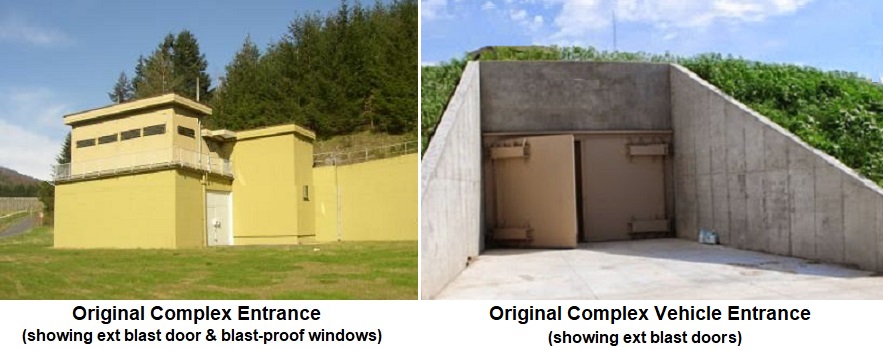
Mesa Base, or Mesa Research Station as it was first named, is the main base of operations for Survey teams involved in the Terrestrial exploration mission. It is not named for any physical feature but for the initials of the complex discovered on the site that was near the source of radio transitions first picked up by Earthwatch Station. The subterranean complex, a Military and Emergency Services Authority (MESA) facility, was a control center that was part of the national Civil Defence System. [See contemporary interior rooms example: https://diefenbunker.ca/virtualtours/ ] The indigenous population may or may not be able to read these words depending on where the GM chooses to place the base. The complex remained unmanned at the time of the surprise Soviet missile strike and is still sealed by thick hardened-steel doors at the main and vehicle entrances. Once past these the Survey team will encounter a second set of blast doors at the security checkpoint leading to the stairwell and elevator at the main entrance (with the security observation post above) and at the bottom of the ramp at the vehicle entrance. A Halon 1301 discharge from the fire suppression system has displaced all of the oxygen in the complex creating a literal time capsule full of salvageable equipment and supplies (to be determined by the GM) as well as the locations of other MESA bases that would have existed within the state/national boundaries of the region of play. [The number, location and condition of these bases are up to the GM.] The original ground level security station/bunker and other associated structures are buried under some 5 meters of volcanic ash at first contact with only the damaged radio tower immediately visible.
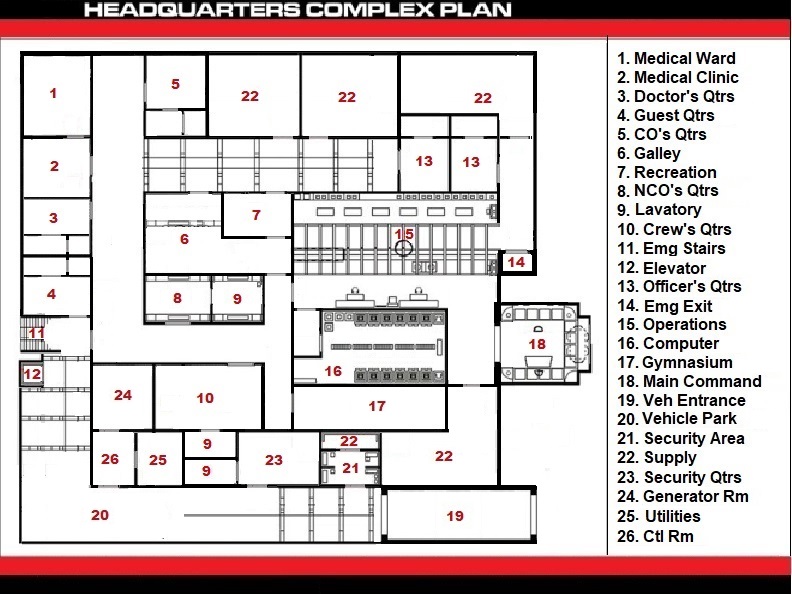
The site is now part of a prosperous farmstead and fertile pasture land owned by the same family since the end of the “Great Troubles”. The original homesteader, long deceased, had built a small radio hut from salvaged equipment near the base of the radio tower at the new ground level and would attempt to contact other radio operators on a weekly basis, a ritual practiced after him by his son and then his grandson. Other radio operators were contacted, a few surviving ham or civil defence radio operators that had been able to keep their equipment going, and a local regional network of sorts had been established over time but the problem was always getting enough power from weak home-made batteries charged by a simple farm windmill. At some time past the father of the current head of the household had discovered the bunker protecting the main entrance and dug down to it but was never able to breach the security door or the steel-lined reinforced concrete of the bunker itself. This semi-collapsed trench leading to the front of the bunker still exists at the time of first contact and the first priority for the Survey team, after establishing positive relations with the current land owner, will undoubtedly be to gain entrance to the complex.
First contact will be problematic. No sooner do the local population, alerted by the land owner and his family, screw up their courage enough to approach the three transport capsules that landed near the old complex than a new terror, a flying machine out of the old stories, approaches and makes a landing. A hatch opens and six alien silver-clad figures climb down and begin exploring, taking soil and air samples as they go. The locals are terrified and, as a pair of the alien explorers approach their hiding place, open fire with their old, cherished rifled shotguns (firing locally made black powder shells as per Jean Samuel Pauly (1808)). The aliens are surprised and the closest is hit by multiple shots and knocked down. The other raises a strange weapon and fires beams of light at the men that drops anyone they hit. Thinking their stunned comrades, including the land owner and one of his sons, to be dead the “surviving” men run off to gain reinforcements and regroup. This can be the start point for the campaign.
Legacy Moon Bases
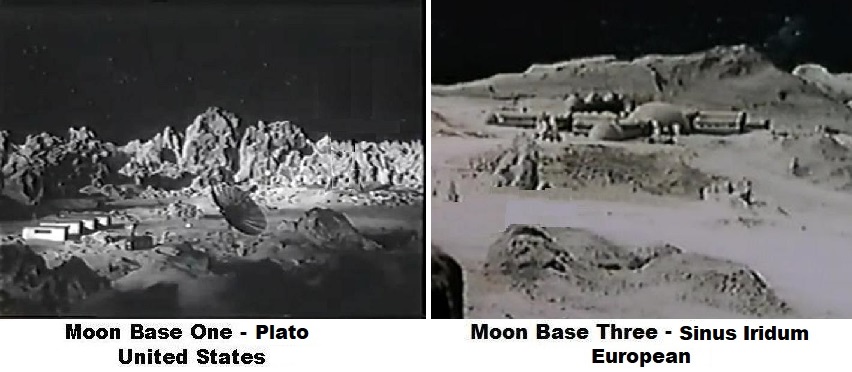
Moonbase 1 and Moonbase 3 were something of a joint project that began in mid-1970 even as the Apollo Lunar missions continued to explore new sites. The first phase saw first one then another Lunar Tug launched into Lunar orbit followed by an Apollo-C supply spacecraft and then an Apollo-B crew spacecraft. This allowed the retrieval of the S-IVB upper stage used to launch the ill fated Apollo 13 mission, which had been placed in Lunar orbit rather than the heliocentric orbit of previous missions, and carry it to a soft landing on the lunar surface along with the Apollo-C supply spacecraft. This marked the very beginning of Lunar habitation and over the next 5 years Apollo Lunar and Skylab missions would provide a total of 11 habitat modules to be used in the construction of the American Moonbase 1 and European Moonbase 3, which also took the novel approach of including inflatable habitats. Construction of Moonbase 3 would begin in May 1973, utilizing the S-IVB upper stages used by the Skylab missions that year, and reach completion late in 1974. Apollo-C spacecraft would provide these bases with construction material, nuclear generators and solar arrays, life support systems and medical supplies, long range communications systems, electronics and instrumentation, research and other equipment and even flat-packed prefabricated interiors and furnishings. Apollo-B spacecraft, also launched by Titan IIIE launch vehicles, allowed the rotation of base personnel back to earth on a 6 month and then 12 month schedule, or sooner in an emergency. Both bases initially had crews of 5, the capacity of a single Apollo-B crew module, but this would double by 1975 and double again by 1980.
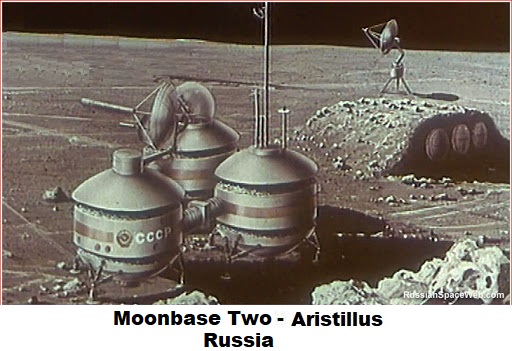
Construction of Russia’s Moonbase 2 was a bit more problematic with the failure of their N1 rocket program. This left them with only Soyuz and Proton rockets that would launch multiple components into Earth orbit that would then be assembled before launching toward the Moon. This was initially a supply spacecraft based on the Soyuz 7K-L1 “Zond”, which first flew in March 1967 and achieved its first successful lunar flight a year later. After a number of reconnaissance flights by Zond spacecraft, Zond 9 hard landed near Russia’s target base site in July 1969 followed by Zond 10 in Sept, Zond 11 in Nov and Zond 12 in Dec 1970. After a series of Earth orbit tests beginning in Dec 1970, in Oct 1971 a Soyuz launched manned Soyuz 7K-LOK docked with a Proton launched LK lander and Soyuz 9K booster to complete a crewed lunar spacecraft, all of which took 5 days. Three days later the craft successfully entered lunar orbit where the crew test flew the unmanned LK, landing it and then returning to orbital rendezvous, before returning to Earth. Finally, in Dec 1971 the first Russian manned lunar landing occurred at their base site, followed by a second in Jan 1972, and construction of Moonbase 2 began. The next crews arrived in Jun and July, allowing the original crews to return to Earth, and this process would continue every six months with Zond supply ships arriving in between as work progressed. Unlike the Western moon bases, the Soviet base was built almost entirely underground by utilizing Lunar lava tubes detected during their original reconnaissance. In this fashion work progressed surprisingly quickly and, though austere, the base became quite large over time. It would, in fact, remain the largest of the five moon bases until the late-1990s but crews would remain relatively small – only 4 person crews until 1980 when Soyuz-T and Prospect spacecraft began to be used allowing 6 person crews. In early-Nov 1983 an additional Soyuz-T arrived only days before the surprise Soviet nuclear attack, bringing an additional three crewmembers, and later the rescued cosmonauts from Salyut Station arrived to bring the base’s population to 11 plus another 5 from Moonbase 4 nearing the end of their six months “patriotic duty”.
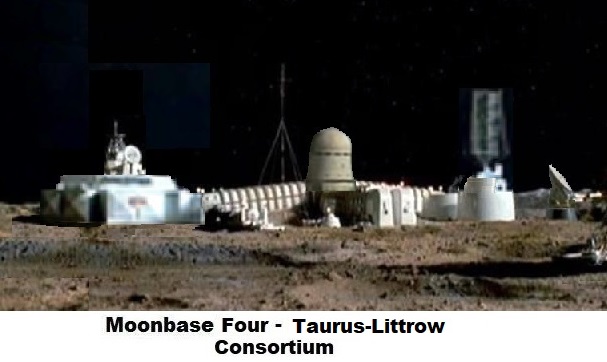
Moonbase 4 was the first and only private venture facility to be built on the Moon, funded by a consortium of European and North American corporations to access the Lunar mineral wealth and provide for-profit material support to the state facilities. In 1975 the Consortium purchased the last S-IVB upper stages used during the Skylab missions that year and employed temporary crews from the Western moon bases to capture them in Lunar orbit, move them into place and begin construction. They then purchased Atlas E/F-Star launch vehicles with UA1205 Solid Rocket Boosters and Apollo-B/C spacecraft to be launched from British (Woomera) or French (Guiana) launch sites. They then began to hire and train international work crews, using experienced American, European and Russian trainers that had already lived and worked on the Moon to build their respective countries bases there. The first construction crews were comprised of these experienced men, and a few women, who were attracted by the high wages offered for a six month Lunar work contract, though Soviet workers were required to stay an additional six months at the Russian base before returning so as to bring manning levels up to that of the Western bases. By the time these arrived the central tower, a defining feature of the Consortium base, was already completed extending through a surface “skylight” to the series of radiating Lunar lava tubes below. Subsequent construction would see these lava tubes utilized to house habitats and recreation facilities, administrative offices and agricultural and fabrication workspaces while vehicle bays, mineral processing stations, nuclear and solar power plants and communications arrays were constructed above. By the end of 1976 the first mineral shipments, primarily tritium, began arriving from the Moon via the same Apollo-C capsules used to transport supplies. They also mined the abundant oxygen, silicon, calcium and iron as well as water ice, magnesium, sodium, aluminium, manganese and titanium for export and/or local use. From these they began fabrication of a kind of Lunar concrete, a silica based high impact “plastic” and glass, steel, aluminium and titanium components and members, liquid water & rocket fuel. It was miners and scientists of Moonbase 4 that discovered “cavorite”, named in honour of H.G. Wells, that generates gravitons when subjected to a neutron stream produced by tritium fuelled nuclear reactors. Subsequent refinement of the process provided bases with near Earth artificial gravity – for a price – allowing longer stays by crews. The base included a comprehensive data base detailing the manufacture of anything from aspirin to zeppelins and it was said that Consortium workshops could make anything given the required raw material. By 1980 the base had not only paid for itself but was providing its investors and contracted companies a substantial profit and its Lunar employees/residents, who would make up half the Lunar population by 1983, hefty paycheques.
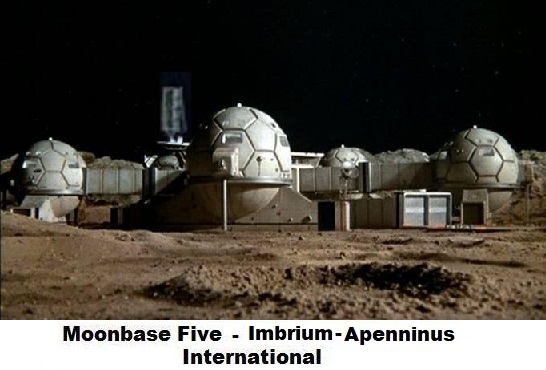
Moonbase 5 was developed and constructed as a political compromise between international agreements regarding the militarisation of space and the need of Lunar bases for some form of defence against large meteors and asteroid strikes, described as Unsafe Foreign Object Defence. This base was established by UNSC mandate in 1980 and became operational in 1981, providing hangers and support for three Shadow interceptors and a mobile missile battery to provide point defence. As the Lunar Consortium was contracted by the United Nations to build this base in situ it is constructed entirely of prefabricated components designed and manufactured in Moonbase 4 workshops. As such it consists of five 12-metre diameter spherical crew modules, each of which has an emergency life support system and emergency airlock to the lunar surface, connected by walkways to a central section that contains a “park” to aid in waste treatment and oxygen production as well as utility services infrastructure, vehicle garages and maintenance bays on the lower level. This area contains the air and water treatment installation allowing it to extract oxygen and water from lunar soil and/or recycled from waste. Each sphere had an internal volume of about 900 cubic meters providing ample space for command/control/communications facilities, a medical centre & labs, spacious crew quarters, a galley, recreation & fitness areas and pilot’s ready room. This would be the first base to be fitted with artificial gravity generators during construction. Interceptor hangers are situated below ground in a lava tube a short distance away to protect the main complex from potentially explosive fuel and ordinance. These hangers initially housed just the three Shadow interceptors but have been expanded over time to provide space for three Falcons, three Hawks and up to six Eagles. Interceptor pilots are on constant standby on a rotating schedule and their craft in a constant state of readiness to quickly launch and intercept any object considered a potential threat to any of the Lunar bases. The moon base complex crew complement is 20 persons on a one year rotation with a 5 person crew transfer occurring every three months. Such a transfer was in process in Nov 1983.
Current Moon Bases
Beginning in 1972 a concerted effort was made by space faring organizations to recruit women for employment and research projects in space, in part due to anti-discrimination legislation in the United States, continuous lobbying of the Kennedy Administration by the “Mercury 13” and as a response to Soviet female cosmonauts who continued to serve on orbital and Lunar missions. Though they would not be astronaut pilots they would qualify as “mission specialists” and serve on all three space stations and, after 1980, all of the Moon bases as crew, researchers and tradespersons. As a result, the total Lunar population as of Jan 1984 was 133, almost half of whom were women.
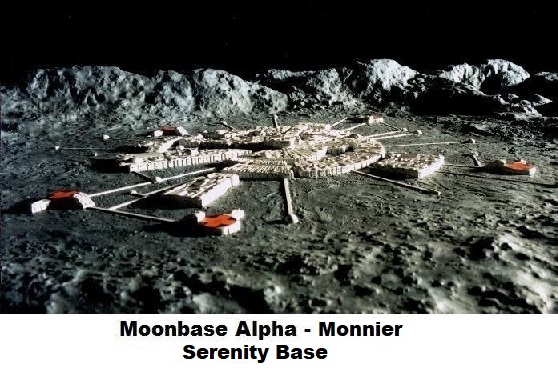
After the events of Nov 1983 and believing that the Earth had experienced an Extinction Level Event and was now uninhabitable the Lunar Bases together began a program of self-sufficiency followed by a program of repopulation. The degree of genetic variance was considered nominal given the Lunar population and so it became every woman’s duty, for the survival of the species, to have as many children as possible during their fertile years. This program was a resounding success with the population increasing to about 600 within a decade even with the inevitable fatalities but this success also put a great strain on the resources of individual bases that had never been designed for such. To address this it was mutually decided to consolidate all available resources into a single base that could not only support the present population but be expanded to meet future needs. Many options were considered but in the end it was decided to build the new base in the le Monnier crater near to the location of Moonbase 4 to better utilise their production capabilities. Although this new base would have a large surface footprint most of it’s habitable space would be subsurface, extending even to the subsurface elements of Moonbase 4. All of the existing moon bases, excepting Moonbase 5, would be closed and salvaged as construction permitted, including surface elements of Moonbase 4 with only the “tower” remaining in place. Initial construction of this new base, named Moonbase Alpha to mark a new era, was completed in late 1985 but was future expandable to accommodate a population of 3000. By the 21st century it was generally referred to as Serenity Base, after nearby Mare Serenitatis.
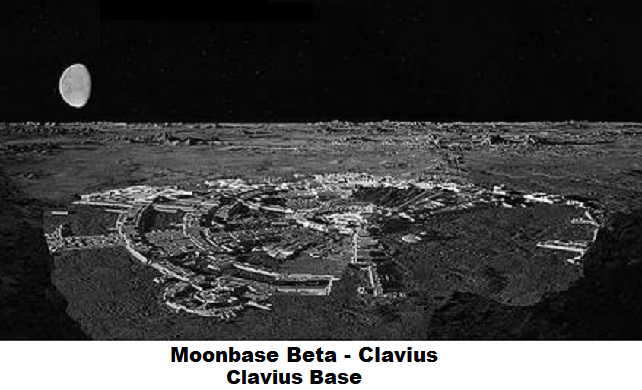
By 2015 Alpha was beginning to approach acceptable capacity and the Directorate ordered a second, similar base to be constructed farther south at Clavius crater. As was now common, Moonbase Beta included some surface features (landing pads, control tower, various ancillary support structures, etc), but the vast majority of the base is located beneath the lunar surface to protect it from micro-meteor impacts and solar radiation. Like Serenity, this Clavius Base was also future expandable to accommodate a population of 3000 but by 2035 this base too was approaching design limits and so construction of a third base, Moonbase Gamma, was begun well north in Meton Crater. During this time Moonbase 5 had remained in operation, crewed now by volunteers from Moonbase Alpha, to provide Unsafe Foreign Object Defence and to maintain strict non-militarization.
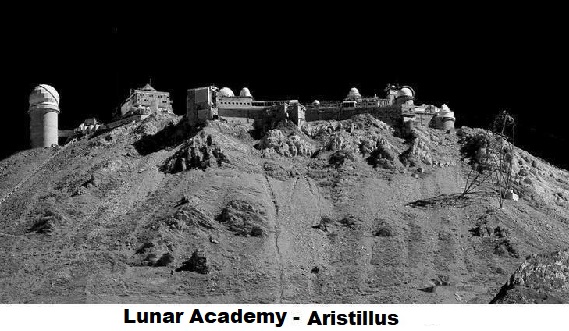
Moonbase 2 had been stripped, salvaged and abandoned during the original consolidation period, though its foundational structure remained intact, but beginning in the early 21st century this facility was reactivated as the Lunar Academy, a center of higher learning and scientific research. It was here that cavorite based gravity control systems were developed for use in spacecraft to protect crews from the effects of high-g acceleration and maneuver.
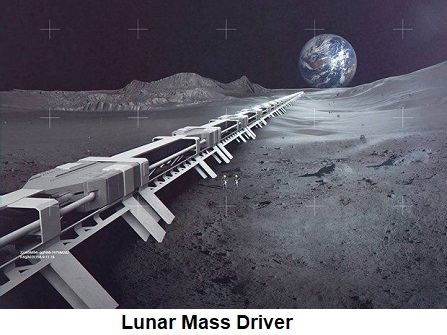
It was also here that the mass driver was developed and later constructed at the old Moonbase 4 site near Serenity Base, its legacy “tower” now becoming the control center for payload launches. In its final configuration this nuclear powered 2 km long mass driver was able to accelerate a 2000 kg vehicle to 10.5 km/s with a maximum average acceleration of 56 g. From here probes were launched toward Venus and Mars and transport capsules prepared and launched as preparation for and in support of a manned Mars mission. This is also used to launch Eagle transporters to Earth orbit to provide resupply and crew rotation for Earthwatch Station, thus saving on fuel, and later transport capsules to Earth. It was also used to launch the two Thunderbirds to Earth orbit, where they remained to ferry personnel and material to and from the surface.
Space Stations
Vista
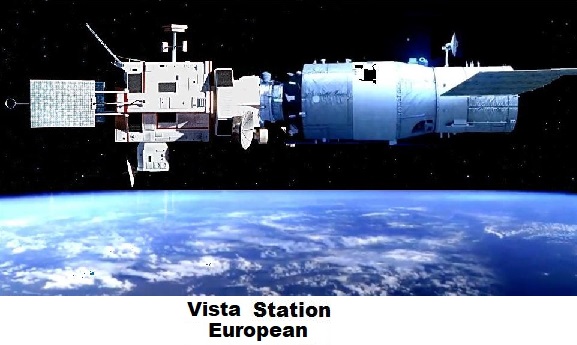
The first space stations were monolithic, mission specific, single use craft that were occupied for only a short time before being deorbited. The first were the American MOL series from 1969 to 1971 closely followed by the Russian Salyut series from 1971 to the mid-1980s. The first modular station was the European/American “Vista” which saw MOL 6 resupplied by Gemini-C capsule in Dec 1970 and then docked with a European designed and built Earth observation mission module in Jan 1971. Later that month MOL 7 was launched and also docked with the European mission module, creating a sort of Y-shaped structure, after which the the MOL 6 crew departed and the entire station was moved into a higher and more stable polar orbit. This station would be manned by multible European crews for the next 12 years, continuing to use the Gemini-B/C with Atlas E/F launch system in order to retain some degree of autonomy. With just 30 cubic meters of habitable volume “Vista” wasn’t a particularly large station, only 1/3 the size of the Russian Salyut 1 that was lauched that same month and crewed in June of that year, but for the Americans this was an important part of the ongoing developement of the Skylab program. Tragically, the Russian program received a severe setback when that same Salyut 1 crew died aboard Soyuz 11 prior to reentry on 30 June 1971.
Skylab
The American “Skylab” was launched as two separate modules, Skylab-A and Skylab-B. Skylab-A was launched in May 1973 and saw three manned missions between then and Feb 1974. The fourth mission, launched in April 1974 was conducted over a relatively short 20 days to resupply the station and move it into a higher orbit in preparation for docking with Skylab-B. In January 1975 that module was finally launched, closely followed by an Apollo spacecraft with a 4-port multiple docking adapter to be able to dock both stations and servicing vehicles. This mission successfully docked the two modules and carried out repairs to Skylab-A, which had been damaged during its launch in 1973, finally bring it up to full power, providing a habitable work area of 540 cubic meters. In July Apollo–Soyuz mission was launched in which the American Apollo and Russian Soyuz 19 simutaniously docked at Skylab Station, marking the first international mission and a symbol of détente between the two superpowers. This 60 day joint mission is generally considered to mark the end of the Space Race, which had begun in 1957 with the launch of Sputnik 1. This also marked the last use of an Apollo spacecraft, which returned to earth 40 days later, with the Skylab now being serviced by Ranger orbital transports as of 1974.

Salyut
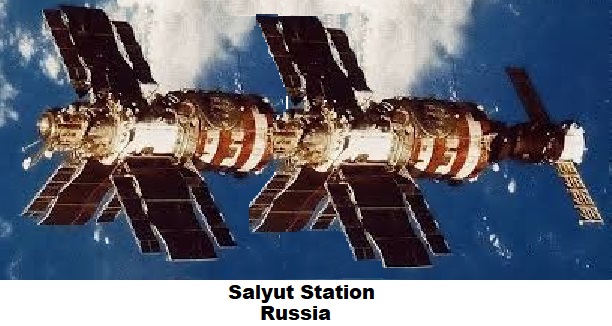
The first Russian modular space station was launched beginning in 1977 with the aim of continuously occupying a space station with long-duration expeditions for the first time in spaceflight, something neither the Europeans nor the Americans had as of that time done with their stations. Although Salyut 6 and Salyut 7 resembled the previous Salyut stations in overall design, several revolutionary changes were made to the stations and program to achieve this aim. The new stations featured a longer design life and a second docking port at the aft of the stations and the unmanned Progress resupply craft was created based on the crewed Soyuz, to resupply the crew and station in the same way as the Gemini-C did Vista Station. Salyut 6 was launched on 29 September 1977 and until 1982 was the home of five long-duration crews and multiple short term crews, being continuously resupplied by Progress cargo spacecraft as of Jan 1978. In April 1982 Salyut 7 was launched and a month later its recently arrived crew watched as an unmanned TKS spacecraft successfully docked to Salyut 6 to prove that large modules could dock automatically with space stations. The next month Salyut 7 docked with Salyut 6 to provide 180 cubic meters of habitable space and becoming the third permanent space station. The first job of Salyut Station’s new crew was to eliminate mold in the Salyut 6 module by introducing high concentrations of hydrogen peroxide followed after a number of days by rapid decompression to expel the poisonous atmosphere, after which the sterilized module was depressurized for use. This station was then to continue in operation until replaced by the much larger Mir space station, already under development, in 1986 but the surprise Soviet nuclear attack on 11 Nov 1983 put an end to any such plans.
Earthwatch
“Earthwatch” station was a composite of all three existing stations, centered on Skylab station in a three-armed cruciform pattern, after the existing Russian and European crew/service modules and Vista mission module had been salvaged in 1985. The mission module formed the basis for the autonomous L-2 communications and observation satellite covering the Moon’s far side. Salyut 6 and 7 were docked Earthward with rearmed Talon orbital interceptors acting as missile barbettes and doubling as escape craft if necessary. The MOL component of Vista Station was docked vertically with Ranger 3, which had to periodically vacate the upper docking ring to make way for the Challenger and later Eagle trans-Lunar shuttles, docked to it. This provided just over 740 cubic meters of habitable space and allowed for a maximum crew of eight. This was initially done in order to support efforts to salvage all orbital resources but later took on a research role as scientists monitored changing atmospheric and climatic conditions on Earth. As the stratospheric partial density began to decrease over decades scientists were eventually also able to get some idea of surface conditions, which indicated severe nuclear/volcanic winter including glacial increase in most of the Northern and part of the Southern hemispheres and massive die-off. It was Earthwatch Station that intercepted the first radio signals, initially thought to be automated transmissions, from the planet’s surface in 2035 and it was they that provided direct support to the subsequent survey missions that discovered that much of the Equatorial Zone was habitable and inhabited.
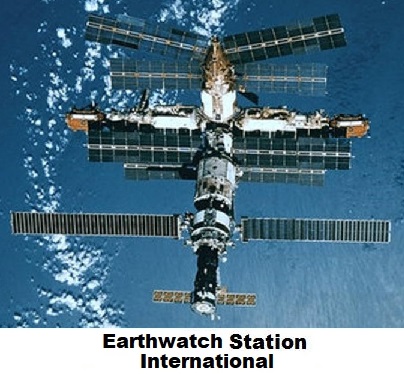
Spacecraft
Legacy Spacecraft
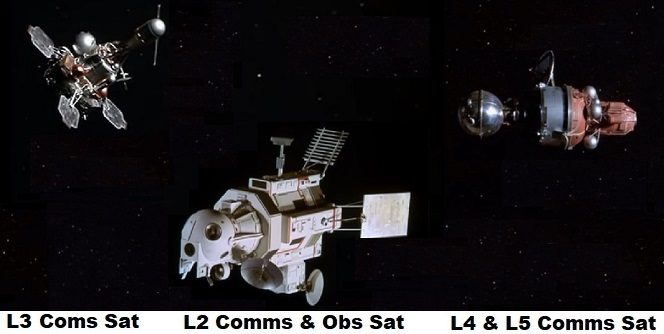
LaGrange Tracking and Data Relay Satellites (LTDRS) were constructed and positioned as part of the program that allowed the original Lunar bases to achieve self-sufficiency in the late-1980s. The large European mission module that had formed part of Vista Station was used as the basis for an autonomous L-2 communications and observation platform that could provide coverage of the Moon’s far side. This unmanned satellite, controlled by a large onboard computer, is capable of remote astronomical observations and can detect and calculate the trajectory of approaching Unsafe Foreign Objects that can’t be observed by bases on the Earth facing side of the moon. The remaining legs of this communications system are two other satellites that were salvaged from Earth orbit and positioned at LaGrange points 4 and 5. Together these allow communications with any point on the surface of the Moon and deep into space. After 2035, as the terrestrial Survey mission progressed, a third large satellite was positioned at L-3, on the far side of the Earth, in order to maintain constant communications with Survey teams and with Mesa Base.
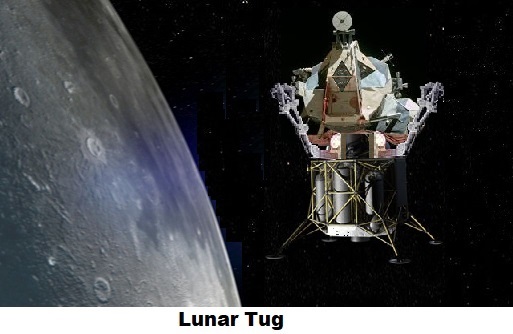
“Lunar Tugs”, or Lunar Orbital Transition Vehicles, began life as a heavily modified Lunar Lander design developed to intercept Titan IIIE launched Apollo-B 5-man crew modules and unmanned Apollo-C cargo spacecraft, as well as S-IVB upper stages from Apollo 13 onwards, in lunar orbit and carry them to a soft landing on the lunar surface beginning in 1970. These two craft were instrumental in the construction of NASA’s Moonbase 1, using the Saturn upper stages and cargo spacecraft as material, and later for ESA’s Moonbase 3. The Apollo-B modules were used by both Americans and Europeans to return early moon base crews to earth after their replacements had arrived. These were also used to retrieve the Lunar Rovers left behind by Apollo 15, 16, and 17 and later to salvage all material discarded or abandoned on the Lunar surface except for that at the Apollo 11 landing site.
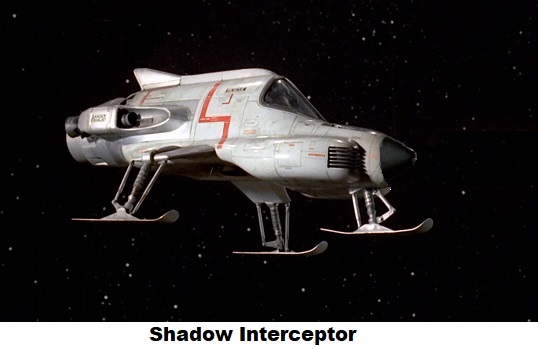
“Shadow” interceptors were small (7x2x2.5 meters), one man craft that would be maintained at, launched from and guided by Moonbase 5 to provide a defence against possible large meteors and asteroid strikes. These craft used an early operational version of a NERVA nuclear thermal rocket engine, with sufficient fuel to reach Earth–Moon Lagrange Point L2 (61,350 km) and return in just under 2.75 hours with a max thrust capability of 7.8 g’s. For armament they carried a single sub-kiloton (250 ton) yield W54 armed SIM-54N2 Phoenix missile (as per AIM-26A Falcon), modified with hydrazine fueled thrusters to allow course corrections in the vacuum of space, in a ventral recess in the fuselage. To better facilitate launch of these missiles the landing skids are retractable, however these craft are NOT atmosphere capable and are designed to operate only in space.
“Talon” orbital interceptors were a development of the X-23 and direct development of the X-24A designed to be launched by a Titan IIID launch vehicle from Vandenberg AFB to intercept and destroy enemy ICBMs during their period of free flight within the exosphere. As such it was not covered by either the 1967 Outer Space Treaty or the 1972 ABM Treaty. It has a two-man, tandem seated crew comprised of a pilot and systems control officer, hydrazine fueled thrusters to allow course corrections in space and carried three SIM-54N1 Phoenix missiles, modified with hydrazine fueled thrusters to allow course corrections in the vacuum of space, in fully enclosed bays. These were initially armed with a 1.5kt W25 warhead (as per AIM-2 Genie) but were later rearmed with a 1kt yield W70-3 warhead. This was an “enhanced radiation” device that came into service in 1981 and was designed to destroy the electronics of missiles in the target area that weren’t physically destroyed by the blast. The standard W70 warhead, which could also be carried by this missile, had a variable yield of between 1 and 100 kilotons, selectable by the user. The Talon was designed to reenter the Earths atmosphere upon mission completion and return to a runway landing at base to be refurbished and rearmed but had enough fuel for its main booster engine to allow it to move into a higher orbit and rendezvous with either the European or American space station if this was not possible. Six of these craft were in service by the end of 1983, with two on standby on the launch pad at Cape Canaveral at DEFCON 3 or above. This was the case on 11 Nov 1983 as part of Ex Able Archer and the two Talons were immediately launched to carry out their interception of incoming Soviet missiles. After expending their missiles and unable to confirm a safe landing point their crews chose to remain in orbit and join Ranger 3 at Skylab Station until they could further the assess the situation.
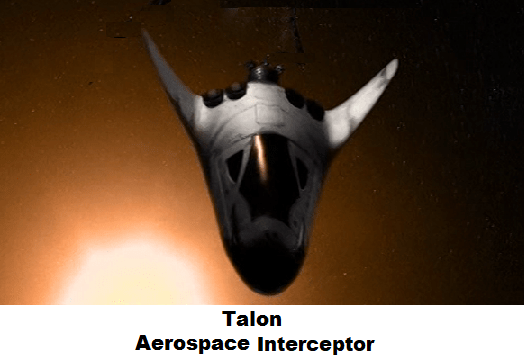
(Note: The Soviets had a similar craft, the Mikoyan-Gurevich MiG-105, but only one example existed in 1983 and was not deployed.)
Beginning in 2035 the two surviving craft were completely refurbished and updated with the newest components, thermal protection system, reaction control system thrusters and latest generation NERVA nuclear powered main engines to allow it to operate in Earth atmosphere and return to orbit as required. Although two of its existing missile bays were used to house a four point vertical thruster system, providing the craft with a VTOL capability, the remaining central bay was retained and fitted to carry any one of a number of guided missiles (1x Phoenix N2 or 4x Javelin MRGMs) or a gun pod containing a 30mm railgun with 750 rounds. Although the gun pod can be used in space and in the atmosphere, a Talon so fitted can not achieve successful reentry due to atmospheric friction. For that reason gun pods are installed at Mesa Base for Terrestrial use and, should the Talon leave the atmosphere to use the weapon in space, be removed at Earthwatch station or jettisoned so that the bay can seal for reentry.
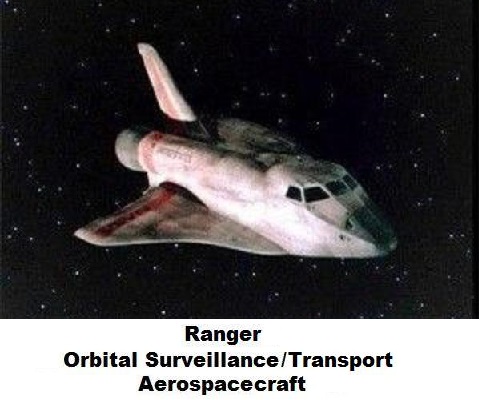
“Ranger” orbital transports were a direct development of the X-20 program and roughly the size of the Dyna-Soar III spaceplane, designed to be launched by a Titan IIIC launch vehicle primarily from Cape Canaveral. These were the predecessor to the larger “Hermes”, still in development at the time, and much larger Space Shuttle and could carry a pilot and four passengers or 1200kg of cargo to low earth orbit, maneuver, dock and then return to land at any air base. It could also carry out orbital surveillance or high altitude reconnaissance and be used as a suborbital transport to any location on Earth. In early Nov 1983, “Ranger 3” was in the midst of a resupply mission to Skylab station and remained docked there along with two Talon orbital interceptors after all orbital crews were evacuated to the Moon. Beginning in 2035 this craft was completely refurbished and updated with the newest components, thermal protection system, reaction control system thrusters and newest generation NERVA nuclear powered main engines to allow it to operate in Earth atmosphere, land, liftoff and return to orbit under its own power. Though it remained unarmed, a four point vertical thruster system was incorporated into its fuselage, with thrusters at the leading and trailing edge of each wing root, to provide the craft with a VTOL capability. It was also fitted with an extra (rear, center) seat so as to accommodate five passengers.
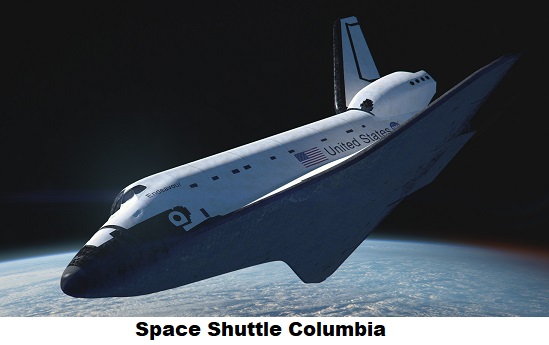
The Space Shuttle, or Space Transportation System, began orbital test flights in 1982, leading to operational flights beginning in 1983. The Orbiter vehicle was launched vertically and employed three clustered main engines fuelled by an expendable external tank and a pair of recoverable solid rocket boosters to achieve orbit. It could then use its integral Orbital Maneuvering System to maneuver and, having completed its mission, deorbit and reenter the atmosphere to glide to a runway landing at Kennedy Space Center. SS Columbia was one of only two operational orbiters as of 11 Nov 1983 – SS Challenger was being prepared for an April 1984 launch date – and launched on schedule from Cape Canaveral at 11:19 am GMT for a five day mission carrying two commercial communications satellites and a crew of four. It would no sooner achieve orbit when the USSR carried out its surprise nuclear attack, beginning WWIII, but its presence was instrumental in the survival and eventual rescue of all the astronauts in orbit that day. Within days of the situation on Earth and the plight of the orbital crews becoming apparent all of the moon bases, working together, began to devise a plan to construct a fuel tank from salvaged components, launch it from the Moon to Earth orbit and fit it to Columbia’s external fuel tank hardpoints. This took many weeks, and a series of arduous space walks by Colombia’s crew, to accomplish but after two months and with supplies now running low all 17 astronauts were aboard Columbia and on their way to the Moon. Columbia would later serve as the only trans-Lunar shuttle – moving personnel and supplies between Earth and the Moon – after being refitted with three nuclear powered NERVA engines that had been held at Moonbase 5 as Shadow interceptor spares. This allowed it to facilitate the construction of Earthwatch station and conduct satellite salvage operations to provide the Moonbases with vital and irreplaceable electronic components. It would continue in this mission until destroyed by debris associated with the passing of Near-Earth Asteroid 2004 FH while returning from Earth orbit in March 2004 with the loss of all aboard.
Transport Capsule
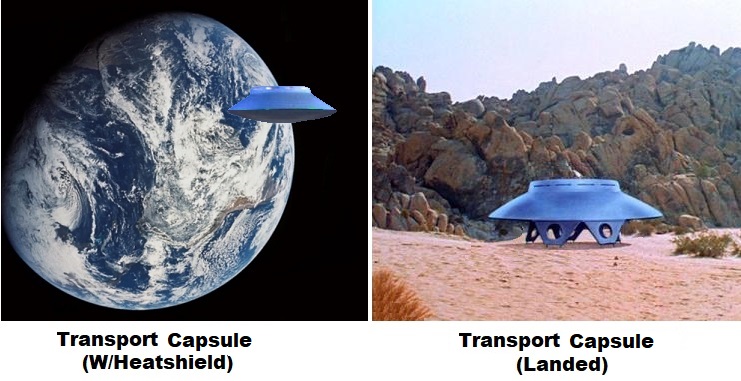
Transport capsules are designed to be launched from the Moon by a mass driver launch system as part of the Mars exploration project and are NOT crew rated. They are unmanned autonomous landers that can successfully land within a few hundred meters of the target point and, like the modules used by Eagle transporters, can be tailored for a specific purpose but are primarily used for transport of material and supplies. They can then be converted to habitat, workspace or other uses once any cargo is removed. The capsule is just over 6 meters high and has a diameter of 11 meters at its widest point. The interior has two 3 meter by 6 meter diameter compartments that descend 3 meters after landing to provide three usable internal chambers. The perimeter 2.5 meters contain fuel cells & retroengines, life support & environmental control systems and plumbing & electrical systems. The electrical system can be solar photovoltaic or connected to an external nuclear generator while plumbing must be connected to an external filtration and waste treatment system (power/water/waste service module). These capsules employ an aeroshell, parachute and retrorocket sequence designed for Mars atmospheric entry and descent that was lightly modified to function in Earth’s heavier atmosphere. The heatshield protects the capsule as it passes through the upper atmosphere and then provides aerodynamic balance as it passes through subsequent layers. The parachute deploys in two stages, allowing the heat shield to fall away close enough to the landing point to be salvaged later, slowing the capsule substantially. In the final phase (liquid hydrogen/oxygen) chemical retrorockets engage to slow the capsule’s descent to almost zero as its computer scans the landing area for obstacles, avoid any that could cause damage and finally comes to rest. The capsule can then be moved later by a controlled firing of the retrorockets to lift the capsule slightly while it is towed to a preferred location.
Falcon
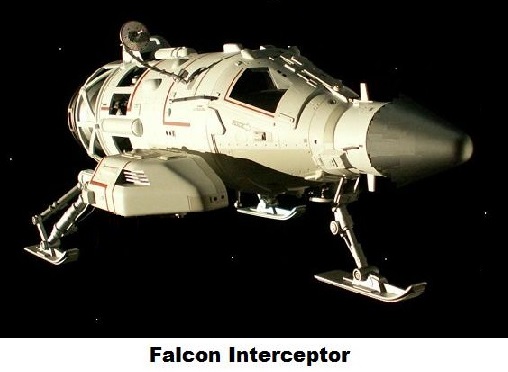
The “Falcon” Lunar interceptors, built to replace the original smaller Shadow interceptors, have two missile recesses and are armed with a single ventral 30 mm railgun with 750 rounds. They are powered by a newest generation NERVA nuclear thermal rocket engine and are fast, maneuverable craft with sufficient fuel to reach Earth–Moon Lagrange Point L2 (61,350 km) and return in just under 2 hours with a max thrust capability of 11.2 g’s. These three interceptors mainly operate in cislunar space but can perform missions in low Earth orbit as well, with a 6 hr ballistic flight time each way, and have retractable landing skids to clear weapons for firing though the craft is no more capable of atmospheric operations than its predecessor.
Gyrfalcon
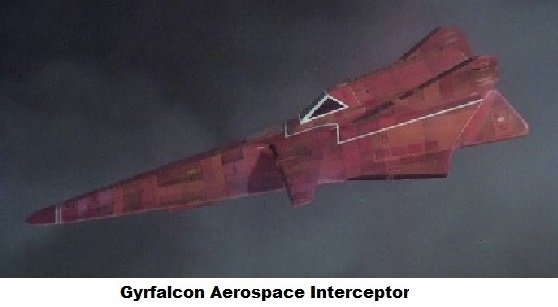
The “Gyrfalcon” is an aerodynamic, atmosphere capable spacecraft resembling the Hyper III or X-24B/C spaceplanes in configuration. These were built upon the stripped frames of the three retired Shadow interceptors utilizing the latest technology and the newest generation of NERVA nuclear thermal rocket engine with its missile armament (1x Phoenix N2 or 4x Javelin MRGMs) contained in a ventral missile bay. Missile armament can be replaced with a gun pod containing a 30mm railgun with 750 rounds for use in space combat if necessary but, like the Talons, can no longer reenter the Earths atmosphere with this fitted. Though this craft is specifically designed to operate in a planetary atmosphere it does not have a planetary landing capability and remains on standby in orbit at Earthwatch station. However it is equipped with three fully retractable landing skids to allow it to land at a moon base facility, after an automated 36 hr flight due to fuel constraints, or should it be forced to make an emergency landing. It has a docking port above and behind the pilot position to allow it to dock with Earthwatch station or another suitably equipped spacecraft. Its primary function is the defence of Earthwatch station but has a secondary role to provide an escort for Talon aerospace craft or immediate “fast air” support to Terrestrial survey teams or bases if necessary.
Hawk
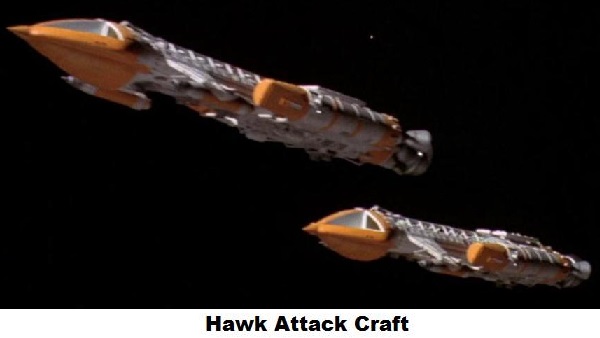
“Hawk” attack craft are large (18.7x6x2.5 meters) long range spacecraft whose mission is to destroy Unsafe Foreign Objects or other threats well outside the range of Falcon interceptors. These three craft have a two man crew and four external weapons stations on small “wings” that can each carry a remotely piloted mine to destroy small to medium sized asteroids and a fixed 50 mm railgun with 500 rounds in a forward-ventral position on the Command Module. These hardpoints can also be fitted with various sensor pods, 30 mm railgun weapons pods with 750 rounds each, rails mounting six Phoenix guided missiles each or any combination thereof. These craft have a NERVA II nuclear (fusion) thermal rocket main engine and two NERVA booster engines capable of a providing max thrust capability of 28 g’s with sufficient range to reach earth orbit and return in just over 5.5 hours. Without boosters max thrust capability is 22 g’s though range remains unchanged. They have a reinforced structure, an armoured fuselage and an onboard gravity control system for the command module. The command module houses the life support system for the crew and has a minimal maneuver capability that allows it to double as a crew escape capsule.
Eagle
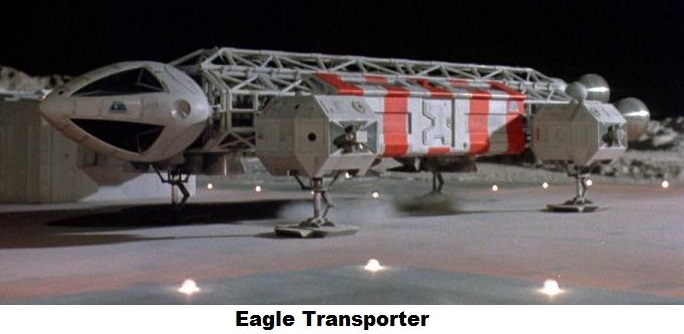
“Eagle” transports are similar to the “Hawks” in design but are more of a skeleton of a craft (as per Sikorsky S-64 Skycrane helicopter) that can carry different modules depending on the mission. They are 31 meters in length and, with a passenger or cargo module, can weigh in at a hefty 300 tonnes. Though “Eagles” can operate without an attached module these modules act as part of the structure of the craft, strengthening it. There are never more than a half-dozen Eagles per moon base plus another four long range trans-Lunar transport versions, for a total of 28. These are usually unarmed but can be fitted with ventral 50 mm railguns with 500 rounds each on either side of the centerline of the command module. There is also a single experimental laser armed Eagle, with plans to build two more, carrying a unique weapons module containing a fusion generator powering a high energy multi-chromatic laser emitter, deemed sufficient to destroy any but the largest asteroids. Its three NERVA nuclear thermal rocket main engines giving it a max thrust capability of 14 g’s with sufficient range to reach earth orbit and return in about 9.5 hours. It is possible to fit Eagle transports with two NERVA dorsal boosters to increase thrust capability by 50% or two fuel pods to double their range, though this is rarely required. This level of performance necessary for a multi-role spacecraft that was also expected to act as a trans-Lunar transport carrying cargo, equipment and crew to and from Earthwatch station or operate in deep space to redirect or destroy large asteroids. The command module houses the life support and gravity control system for the crew and has a minimal maneuver capability that allows it to double as a crew escape capsule. The modules include: a passenger module, cargo/nexus module, heavy lift module (with ventral thrusters), research/lab module, medical/rescue module, long range exploration module (with two dorsal fuel pods), habitat module. These modules are powered by separate nuclear batteries (with solar backup) and their own life support systems, including gravity control, and can be arranged to construct temporary research stations or work camps.
Thunderbird
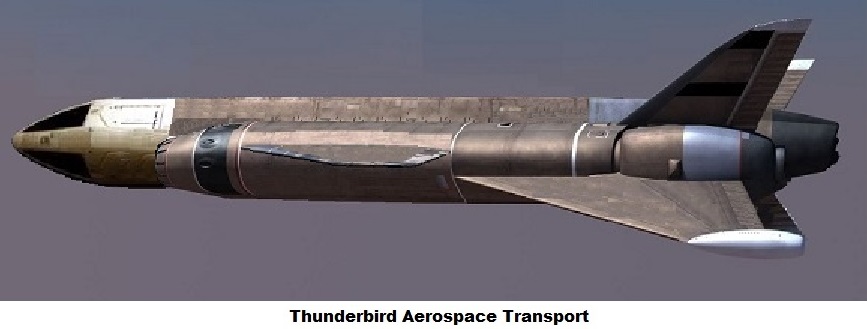
“Thunderbird” trans-Lunar aerospace transports were designed and built solely to meet the needs of and support Terrestrial survey teams and bases. This freed up the transport pods that had been intended for the ongoing Mars exploration mission but had been diverted for Terrestrial use until this time, which had been something of a bone of contention between the two missions. They are essentially conversions of two trans-Lunar Eagles, and so retain all the capabilities of those craft with few exceptions, with a thermally protected aerodynamic skin and its three main engines rearranged laterally. Additional fuel tanks and ventral thrusters were situated between the landing leg pods to provide the additional lift needed to counter Earth’s gravity and the additional long-term thrust required to reach escape velocity and enter Low Earth Orbit, at which point they can continue to function in the same fashion as a normal Eagle. This rendered the side hatches of any module unusable unless it is lowered from the enclosing bay in which it resides for transport but there is a ventral docking port and exit hatch in the short corridor/airlock between the command module and transported module for crew use. Once the transported module is situated, it can be lowered from the belly of the craft and left in place for survey team use either as part of their main base of operations (Mesa Base) or a composite temporary base to facilitate contact or other survey operations. These temporary bases are officially known simply as survey bases but are colloquially referred to as “firebases” by the teams that used them and “forts” by many of the indigenous population, indicating something of the precarious nature of life on Earth.
Discovery
“Discovery” is a long range exploration spacecraft built as part of the ongoing Mars mission but capable of deep space missions to Venus and as far as the inner asteroid belt. It has four NERVA II nuclear (fusion) thermal rocket main engines providing a max thrust capability of 17 g’s with a Jefferies tube connecting these and the communications array to the forward section of the spaceship where the crew quarters, work areas, main computer and landing craft (with flight controls and instrumentation) are located. The overall length of the ship is 84.0 meters, with each section comprising about 1/3 of the ship, and has a mass of some 834 tonnes. The habitat area is surrounded by six large fuel tanks that provide fuel to the smaller tanks of each main engine and the onboard tanks of the landing craft and give the ship an overall height and width of 43.2 meters. These also serve to provide the habitat area, which is only 21 square meters in diameter but gives the crew of up to 12 a generous habitable volume of 11,880 cubic meters, with additional radiation and micro-meteor protection. The landing craft is 24 meters in length with landing legs retracted and 3 meters in diameter with a mass of 130 tonnes and can independently sustain a crew of 4+2 for a full week. Its two NERVA engines provide a combined thrust sufficient to allow it to land on and launch from the Martian surface, the task for which it was specifically designed.
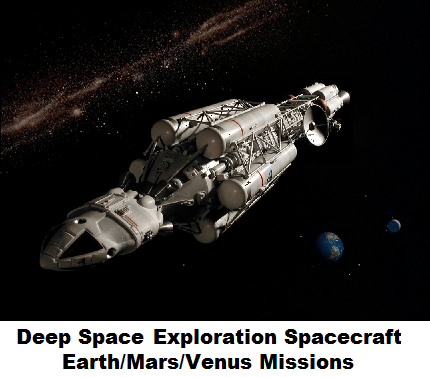
Vehicles
Hostile Environment Transport Vehicles (HETV)
These are a refinement of modern Lunar Rover vehicles used for tasks requiring short range transport and had been intended for the Mars exploration missions but were redirected to Terrestrial survey missions when Earthwatch Station received signals from the Earth’s surface. The Carrier version measures 5.5x3x2.5 meters with a mass of 12.5 tonnes and can be delivered by transport capsule or in a cargo module by a Thunderbird aerospace transporter. The special purpose vehicles and later gun carrier have a height of 2.9 meters and so can just barely fit in a transport capsule compartment or cargo module, with any external equipment being installed after deployment. Initially they only had the armoured and tracked carrier version but this was later supplemented by a mobile habitat (powered track trailer), comms vehicle (sat uplink) and laboratory/medical (and NBCW) vehicle [game equivalent: M113A3 or M577].
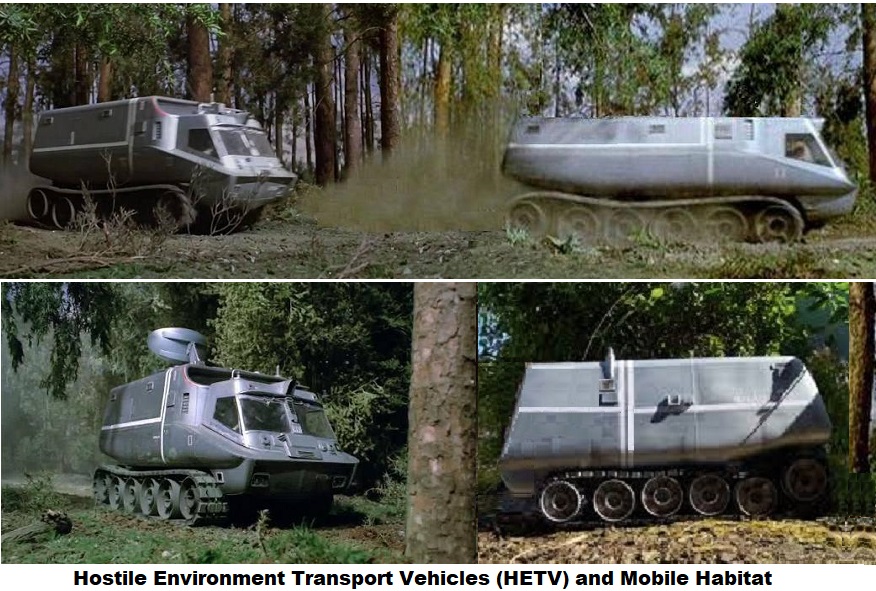
These vehicles are unarmed but carriers were later fitted with a gauss gun armed remote turret/cupola (as per Australian M113A1 LRV) over the dorsal crew hatch. Eventually a gun-carrier version fitted with a remote-turreted 30mm railgun (as per Australian M113A1 MRV) and a missile launching version fitted with a remote-turreted auto-loading missile system (as per American M551 Sheridan) were also provided. These are the same “Javelin” guided missiles as used by Talon and Gyrfalcon aero-spacecraft. The necessary modifications and systems occupied the entire rear compartment of these vehicles making them, in essence, combat vehicles. This was quite controversial within Lunar society and for that reason only two of each variant were produced, with Security detachment commanders under strict orders to only deploy the gun-carriers defensively. The vehicle’s environmental control system is self-contained and includes an NBCW rated air filtration system. They also boast active infra-red, short range air/ground radar and multi-spectrum sensors to allow operation in all light and environmental conditions. All are powered by a nuclear fission closed cycle micro-reactor and graphene power cells as an emergency backup.
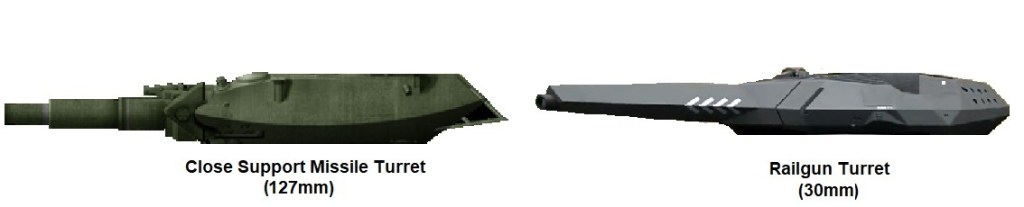
Sparrow
The “Sparrow” lunar transport, also nicknamed “Hopper” or “Bug”, is the earliest transport vehicle used to travel across the moons surface, dating from the original period of lunar colonization in the late-1980s. These small craft, roughly 8x8x4 meters with a mass of 5.5 tonnes and a habitable volume of just 4.5 cubic meters, were designed and built from salvaged LM descent stages and four previously captured assent stages (left behind by Apollo Moon missions) and then employed as mid-range vehicles carrying up to three astronauts and their equipment or 600kg of cargo and a pilot. The lower stage carried the power, maneuver and control systems while one upper stage carried the crew and the second carried battery, life support and electronics systems The craft has no main engines and normally skims the lunar surface at an altitude of only a few metres via a series of long, shallow hops using nuclear powered thrusters to maintain altitude. Continued refinement have made them the ubiquitous Lunar equivalent of the light truck.
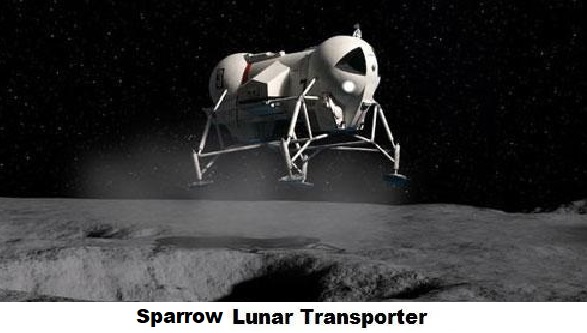
Condor
The “Condor” lunar transport is currently the most common form of long distance travel and transport across the Moon’s surface. It is not a large craft, measuring about half again as large as the earlier Sparrow from which it is derived and having a mass of about 8 tonnes. The greatest functional difference is the large open crew/passenger space providing a habitable volume of 15 cubic meters. It has nuclear powered thrusters but no main engines, giving it a range of some 2333 km and a max altitude of 9.5 km at a thrust of 4.6 G’s. It has a crew of two and can carry ten passengers or some 3000 kg of cargo, sustaining passengers and crew for 72 hours. It is often used to transport cargo to outlying homesteads, mining facilities and research stations within range of the main bases, thus freeing up Eagle transports for other operations.
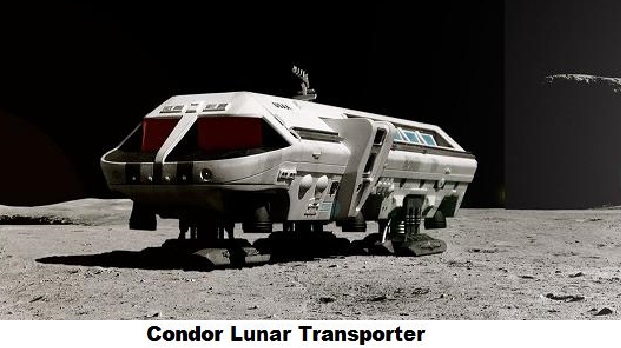
Weapons
Environmental Protection Suit
Space suits varied greatly from the early years of manned space exploration, depending on time period, nationality and function. NASA progressed from the simple silver flight suits of Mercury/Gemini to the heavy EVA suits of Apollo and the Space Shuttle and only Russian space suits really deviated from that mold. All of these suits had a certain amount of armour value to protect against micro-meteors but it wasn’t until survey teams were sent to Earth that armour became a prime concern. The first suits had been designed for Mars exploration and were entirely a silver weave material that provided high visibility and allowed a degree of freedom of movement and protection. Though modified for terrestrial use, this was offset by the weight of heavy back packs containing heating and cooling units, oxygen cylinders, rebreathing apparatus and micro-particle filters that quickly fatigued the wearer. It was also found that these suits did little to protect from blunt force trauma and their other-worldliness made first contact, a possibility that was entirely unexpected, almost impossible.
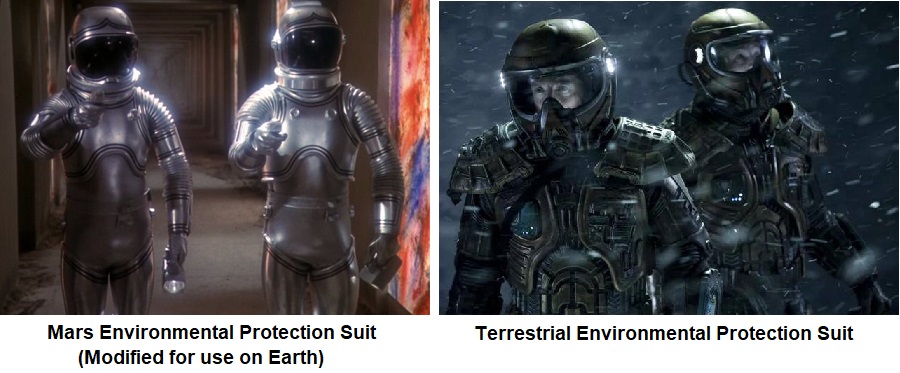
To address this a new environmental protection suit was designed to specifically meet the needs of Terrestrial survey teams. This did away with all but an emergency air supply and rebreather, with the wearer relying almost entirely on terrestrial air while still protected from possible biological or chemical contaminants by a sophisticated filtration system, and a simplified heating and cooling system. The suit was also more robust, with multi-faceted armoured surfaces to absorb or deflect kinetic energy and could protect the wearer from firearms damage even at point-blank range – though bruising, fractures and even broken bones were still possible in extreme cases. The suit was coloured black or charcoal grey to better blend into surroundings and allowed an outside viewer to readily see the wearers face, making interactions between survey team members and the indigenous population less problematic.
Legacy Weapons
During the initial colonization period there were a number of firearms authorised by the various governments as “personal defence weapons”. Though ammunition was altered by the addition of an oxidizer to allow it to fire in a vacuum it was quickly found that the firearms themselves would not function in space due to the extreme temperature variances (127°C to -173°C) – they would literally freeze solid. For that reason they were rarely carried except in a ceremonial capacity and rarely used except for training and practice until replaced. These were: 9mm Beretta 92S-1, 9mm Browning Hi-Power and 9mm Makarov PM. Although these weapons have remained immaculate the ammunition has deteriorated over time due to the oxidizer used and can be somewhat unpredictable, ranging from exploding if dropped to not firing at all.

When the UN outpost Moonbase 5 was built in 1980 they brought with them weapons purposely designed to function in space based on the Fiocchi “semi-caseless” 9mm AUPO cartridge and Benelli CB-M2 carbine [game equivalency: 9mm carbine]. Unlike the Benelli, the Striker carbine used an easy to handle 15-rd box magazine, had a large trigger guard to accommodate heavy gloves, had few moving parts that were designed to work under extreme conditions and was electrically fired via a trigger actuated switch. The bolt contained a ceramic cap that would electronically detonate the primer via the battery charge. Two 15-volt dry cell batteries, located in the pistol grip, allowed it to fire approximately 5,000 rounds before needing to be recharged.
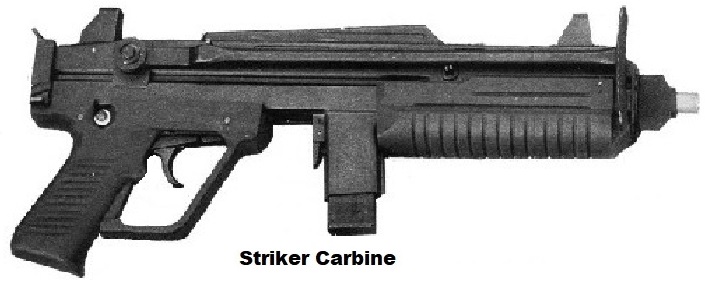
The Consortium Moonbase 4 also began using a Benelli inspired carbine beginning in 1981, with similar specifications to the Striker, but also developed a pistol to use the same round. This had a fixed barrel in an aluminium frame, a 6 round magazine with integral battery and produced a muzzle velocity of 300m/s [game equivalency: .38 Special auto-pistol]. Though unsanctioned, dozens of these weapons were supplied over the next year to the state sponsored bases as well on the sole authority of individual base commanders.

After 2035 these weapons were brought back into service for use of terrestrial Survey teams, either as a stop-gap measure for themselves or to arm trusted allies to build goodwill. All the surviving weapons were meticulously refurbished, with the Russian Makarovs modified to fire the NATO standard 9mm Luger ammunition of the Beretta and Browning pistols. The old ammunition was carefully disassembled, cleared of the unstable propellent and reloaded with new propellant of the same type used in Fiocchi cartridges. These pistols could then be issued while existing Makarov 9x18mm rounds were modified to be functionally identical to the 9x19mm Parabellum, increasing the availability of 9mm ammunition. The Fiocchi ammunition had survived the decades in pristine condition allowing Benelli type pistols and carbines to be supplied to Survey teams almost immediately
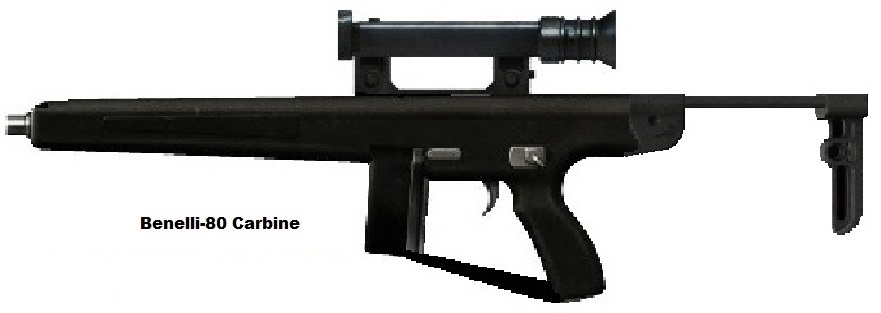
Taser Stun Pistol
Jack Cover, a NASA researcher, began developing the TASER in 1969 and by 1974 had completed the device which he named TASER as an abbreviation of “Thomas A. Swift Electronic Rifle”, after the 1911 novel “Tom Swift and His Electric Rifle”. This weapon fired two barbs connected to the weapon by thin wire and, though effective, was a problematic system of operation in Lunar gravity. The stun pistol was an energy weapon developed for use by base police/provosts early in the 21st century as a non-lethal alternative to firearms and to lesson the possibility of a blow-out (explosive decompression) caused by a projectile penetrating the outer wall of a habitat. This is an electroshock weapon that generates a laser based carrier to the target and, like the earlier stun baton, deliver a modulated electric current designed to disrupt voluntary control of muscles, causing “neuromuscular incapacitation”. This discharge generates a visible beam of blue light between the weapon and the target causing it to initially be mistakenly identified as a laser pistol. To address this the term Taser was carried over by technicians working on the project. Each power pack, inserted into the bottom of the forward element, allows six shots and can be quickly changed out when expended. Power from these energize the weapon’s diode-capacitors that then generate the laser beam and electron pulse when activated.
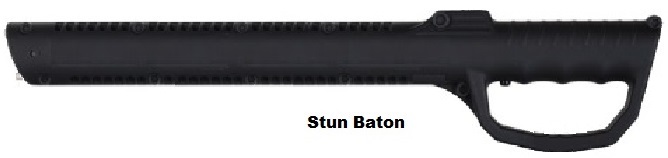
The effective range of the Taser is up to 10 meters in a vacuum or the pristine conditions of a habitat, leaving the target temporarily incapacitated. However the use of the weapon at under 1 meter or in direct contact can cause injury or death respectively. This and the stun baton, a pain compliance device similar to a cattle prod that administers an electric shock by direct contact, became the primary service weapons of base police units and, initially, of terrestrial Survey teams but it was quickly realized that atmospheric conditions on Earth – heavy dust or fog and precipitation – could make these weapons practically useless and leave team members almost defenceless. The weapons were also designed with humans in mind and were found to be of limited use against large animals such as large deer (Moose/Elk) and bears, particularly the “Ursus arctos” subspecies (Grizzly/Kodiak).
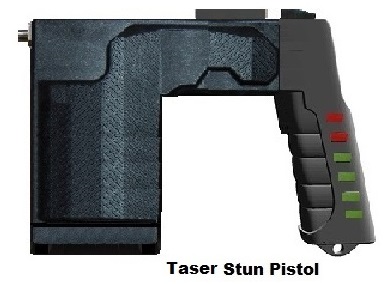
To address this Taser pistols were modified in late-2035 to fire a double charge, decreasing the number of available shots from 6 to 3 (as indicated by LED’s on the side of the weapon) but allowing the possibility of stunning these large animals or of achieving stun of lessor creatures under adverse conditions. However the use of this setting under nominal conditions also allowed the weapon to kill, hence the switch atop the pistol ahead of the firing button is labeled “stun” (forward) and “kill” (back) and positioned such that the off-hand must be used to change the setting. This was a greatly appreciated improvement but was not a solution and it became necessary to bring carefully stockpiled Benelli type firearms and their ammunition back into service to arm terrestrial Survey team members.
Gauss Gun
A Gauss gun is a type of mass driver consisting of electromagnets in the configuration of a multi-stage linear motor that accelerate a ferromagnetic or conducting projectile to high velocity. The barrel is smoothbore so that the stabilizing spin of a rifle has to be artificially produced via contours on the projectile itself. Though the technology dates back to 1904 it took over a century to develop into a viable man-portable weapon. Development of the Arcflash Gauss gun was an offshoot of research leading to the construction of a mass driver unit at Serenity Base. At a overall length of 75 cm and a mass of over 9 kg the Arcflash was considered quite manageable by base security forces trained to operate in a low or no gravity environment. However in the near “earth-normal” gravity of the Lunar bases it was cumbersome and unwieldy, weighting as much as a pre-Event GMPG. This still wasn’t of any great concern, as these weapons would rarely be expected to be used inside a base, until terrestrial Survey teams came to the conclusion that they would need additional firepower if they were to succeed in their mission. While the teams were issued the legacy firearms of a previous generation as a stop-gap measure a concerted program was begun to find a way to get them that firepower. The rifle variant would still find use as a specialized “marksman” rifle – the word “sniper” was considered vulgar – mounting high-powered optical sights and fitted with a bipod to allow a shooter to hit a human-sized target at a thousand meters distance.
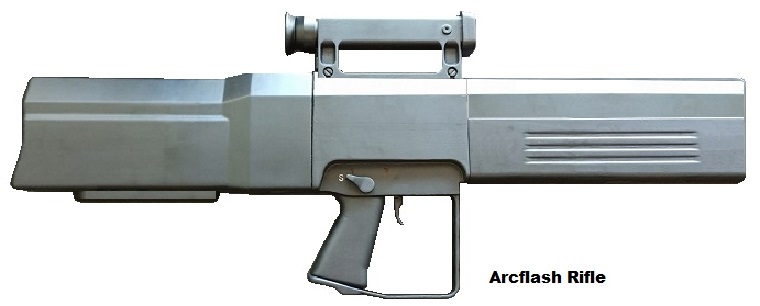
The first effort was to modify the rifle to serve as a vehicle mounted or man-portable General Purpose Support Weapon for close defence. This was done by increasing the magazine capacity from 100 to 300 rounds, including a “3-rd burst” automatic fire setting, slaving the weapon to a vehicle’s power or a separate portable graphene power cell, modifying it to be mounted in a remote turret installed on survey carrier vehicles, on a manual vehicle pintle or tripod ground mount and allowing it to be made part of an electronically controlled “sentry system” of ground sensors and multi-spectrum optics to secure base perimeters. The backplate has been tapped to allow an optional buttstock assembly to be fitted and, although equipped with simple iron-sights, the upper receiver of the weapon has been tapped to mount modern optical or electronic sighting systems. Once completed, the ground mounted version was said to look very much like a WWI-era water-cooled heavy machine gun when set up.
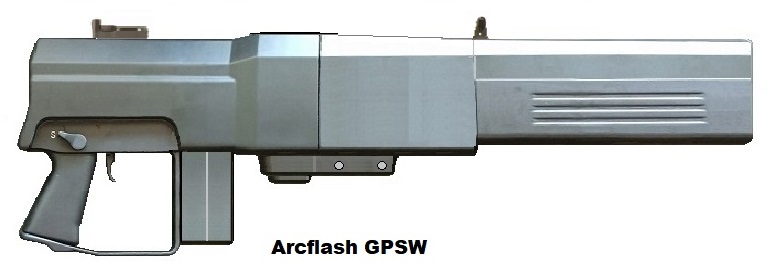
The program to lighten the weapon to be usable in the planetary gravity of Earth or Mars took somewhat longer. The length was shortened to 55 cm, the power cell capacity decreased and the magazine capacity reduced to 50 rounds. This meant that the carbine version was half the original weight fully loaded but also saw the muzzle velocity drop from 2500m/s to 1500m/s and effective range fall from 600m to 400m. To compensate, the “3-rd burst” setting was carried over from the GPSW version.
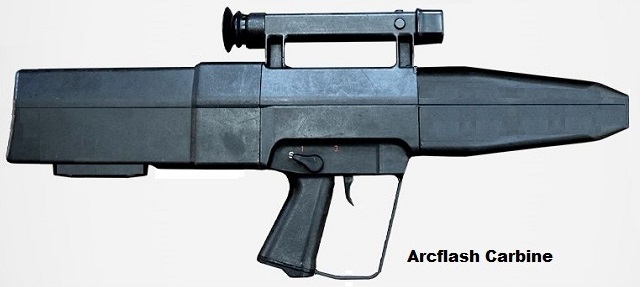
Specifications
- Mass:
- (Rifle) 7.3 kg empty, 9.5 kg loaded with 100 rounds;
- (GPSW) 6kg empty, 8kg loaded with 300 rounds;
- (Carbine) 3.7kg empty, 4.3 kg loaded with 50 rounds.
- Length:
- (Rifle) 750 mm;
- (GPSW) 750 mm;
- (Carbine) 550 mm.
- Cartridge: 8g, 3.0×25 mm hardened steel projectile.
- Action: multi-stage linear electro-magnetic coil.
- Rate of fire:
- (semi-auto) 750 rounds/min;
- (3-round burst) 2100 rounds/min.
- Muzzle velocity:
- (Rifle) 2500m/s;
- (GPSW) 2500m/s;
- (Carbine) 1500m/s.
- Effective range:
- (Rifle) 600 – 1000 m;
- (GPSW) 1000 m;
- (Carbine) 400 m.
- Feed system: 50, 100, or 300 round detachable box magazine
- Power System: magazine integrated graphene power cell or remote cable link.
- Sights: Integrated optical.
- [Game equivalency: 7.62mm M14/M25 rifle; 7.62mm M60 GPMG; 7.62mm AK-47 rifle.]
Railgun
A railgun is a linear motor device that uses electromagnetic force to launch high velocity projectiles that may or may not contain explosives, instead relying on the projectile’s high speed, mass, and kinetic energy to inflict damage. Invented in 1917, practical application was hindered by its enormous electric energy consumption and its need for a special electric generator of considerable capacity to power it. In 1980, the U.S. Army began a long-term program of theoretical and experimental research on railguns using a 500 megajoule homopolar generator developed by Australian scientists. In March 1983, the Strategic Defense Initiative was formulated and the U.S. military focused on developing small guided projectiles that could withstand the high-G launch from ultra-high velocity plasma armature railguns. The Nuclear attack later that year ended any further research.
As the 21st century began, technicians and engineers working on construction of a mass driver unit at Serenity Base revisited the railgun concept in parallel with ongoing development of the Gauss gun. Priority for these projects were fairly low as there didn’t appear to be any pressing need for such weapons but none the less continued at a steady pace into the 2010s. With a nuclear generator, developed for spacecraft propulsion, providing ample power a working proto-type had been constructed by 2014 that could launch projectiles of 3–3.5 g weight to a velocity of more than 2,000 m/s. By 2016 a refined version, a 2.25 m long, 30mm launcher with a mass of 273 kg, was built capable of firing five-round salvos of 185 gram projectiles at a velocity of 1,850 m/s. The projectile mass was later doubled to 370 grams. [Game note: treat as high velocity 45 mm AT gun.]
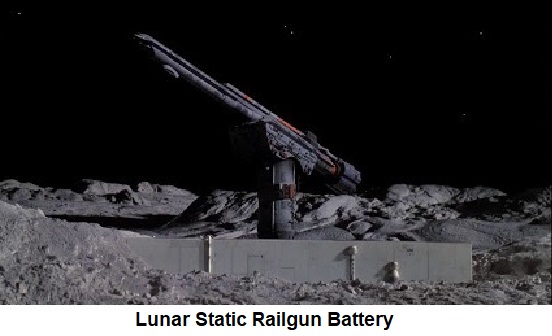
Four years later engineers had developed a pre-production 50 mm, 32-megajoule model that accelerated a 3.2 kg projectile to hypersonic velocities of approximately 3,390 m/s with 18.4 MJ of kinetic energy and fit it to a remote turret mounted on two repurposed construction vehicles for testing. It could fire 30-rds/min in space but only 12-rds/min under terrestrial conditions due to the weapons system, which was liquid nitrogen cooled, overheating. Field performance was such that, with a purpose built radar equipped fire control vehicle, these became part of the Unsafe Foreign Object Defence system as a mobile battery, supplementing the existing SIM-54N2 Phoenix guided missile mobile battery. Projectiles were the initially standard hardened steel but armour piercing/incendiary, explosive/incendiary and proximity explosive/fragmentation were also made available by 2040. These projectiles were all tracer, each with their own individual colour – yellow, red, green and violet – that left a discernable visual trail to the target.
[Game note: treat as high velocity 75 mm AT gun.]

Equipment Availability Timeline
It should be noted that not all these described weapons and equipment are available all at once but rather appear in progression beginning in 2035. As noted, in the beginning the only team type sent to Earth are Survey teams kitted out with modified Mars EPS and armed with stun batons and Taser stun guns. The only orbital transport is a single retrofitted Ranger to transport supplies and personnel to and from Earth orbit, with the two Talon interceptors still being upgraded and rebuilt on the Moon, and though there are regularly scheduled supply Eagles transiting from the Moon to Earth orbit these can provide no direct assistance to the terrestrial teams. The three transport capsules contain sufficient supplies and tools (including a multi-attachment tracked Bobcat-like vehicle) to support a six person team for a month as well as scientific and diagnostics equipment for laboratory work and a single HETV carrier. Once the interiors are assembled, these also provide the team with a spacious three-storey habitat, laboratory & work module and connected service module while salvaged heatshields become the roofs of Kevlar-walled gazebo-like outdoor work spaces.
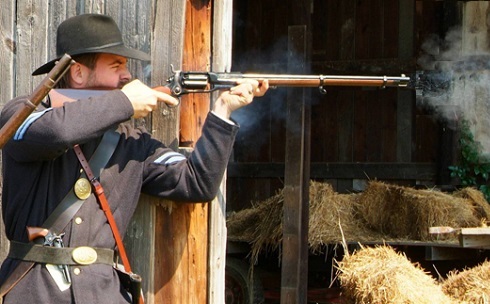
Teams will not receive kill-capable Tasers until three months into the first mission and the first firearms won’t appear until the second mission arrives. It is also at this point that the refitted Talons become available. As noted the AUPO pistols and carbines, numbering about 60 examples of each (including 12 Striker carbines), can be provided for the use of team members almost immediately while the older pistols (12 of each type) become available to be distributed to indigenous allies at a later date. Once these firearms are presented there is no doubt that local gunsmiths will begin to try to understand how they work and replicate them with the resources at their disposal, even though their ability to produce cast & machined parts and drawn brass is limited. It is at this time that Lunar manufactured “plastic” tube or full metal cartridges containing nitrate-based propellants can also be provided to fit the local weapons – mostly well worn break action rifled shotguns in 24, 20, 16 & 12 Ga (firing shot or slug in a 2- to 3-inch, brass base, paper shell) & locally produced Guardia Civil revolvers & revolving carbines in .410 – and a firearms technician added to the team can help local gunsmiths repair and improve those weapons. Lunar facilities are quite capable of manufacturing entire weapons, from small arms to light artillery, and ammunition given sufficient raw material but this should be carefully restricted and discouraged for security reasons if nothing else. The Guardia is the local constabulary and also function as a militia or home guard supplemented by civilian volunteers (Posse Comitatus). Their service firearms are effective & accurate top-break, double action revolvers that fire a round-nose .41 calibre bullet (in a 1.5 inch, brass base, paper shell) [Game equivalency: .41 Bowen Special with black powder or .41 Remington Magnum with nitrate propellant] and can be quickly reloaded using moon clips (which also retain valuable expended brass) held in ammo pouches on their web-belts or in hip satchels.
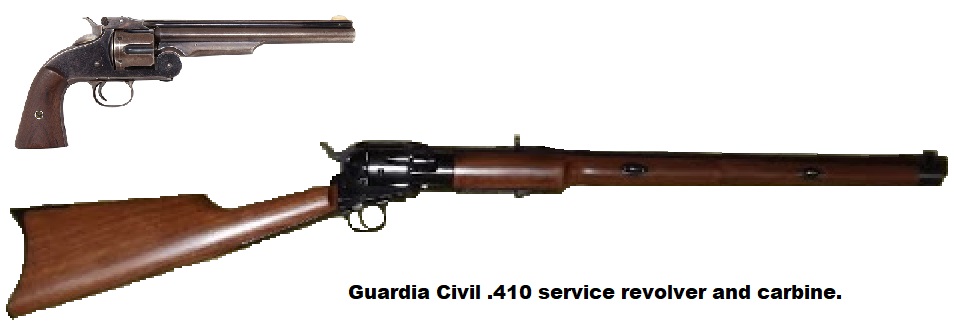
It isn’t until the third or fourth mission that new team types begin to arrive, with the first being Research teams followed later by Science and Security teams as Mesa base begins to take shape like an early frontier fort. By the fifth mission the first Thunderbird transport and Gyrfalcon interceptors becomes available along with the new EPS, additional HETV types, 84mm portable missile launchers and heavier gauss weapons such as the Arcflash marksman rifle and GPSW (with “sentry” systems). [Note that, though the missile launchers are based on the AT4, they are not disposable – the launchers are retained to be reloaded either at Mesa Base or back on the Moon. Lunar citizens have almost a religious aversion to waste.] By mission six, the Arcflash carbine becomes standard first for Security teams and then for Survey teams and AUPO weapons are relegated to secondary roles. It is between mission seven and eight, that’s 4 years, that the gun carriers arrive at Mesa base (perhaps after a major attack places the base in jeopardy), first the guided missile launching version and then the 30mm rail gun version at the GMs discretion. It is also entirely up to the GM whether or not to allow man-portable versions of these missiles, which are like the American BGM-71H TOW 2 or Israeli MAPATS (HE) in operation & destructive force but with the dimensions, Radar/Infrared/Laser guidance and fire-and-forget capability of the American FGM-148 Javelin and are referred to as Javelin multi-role guided missiles (MRGMs).
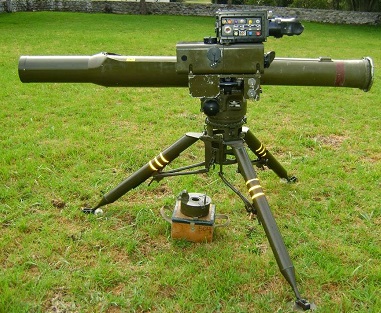
Vignettes
The Comancheros
In a Morrow Project (Lunar variation) campaign two members of the Survey team were brother and sister well into their six month tour. Sis got snapped by a raiding party (think Comancheros) while visiting a local farmstead and the team had to mount a rescue op. By the time the party was able to track the raiders and rescue her she was not in good shape and big brother lost it. They’d used a knock-out gas, an incapacitating nerve agent (a neuron inhibiter that blocked motor functions, producing an effect similar to REM sleep paralysis), to subdue the camp before entering that left the raiders conscious but unable to respond. While the medic attended to the sister (and others) the brother went from tent to tent, slitting the throats of the leader and his lieutenants and every second raider in the manner of his Gurkha ancestors. Needless to say the word quickly spread amongst raider groups, “Don’t fuck with the Lunites.”, and just the rumour that a Survey team was in an area would be cause enough for nefarious types to tread lightly and raider groups to go to ground.
The Hand of God
I had a Morrow team (Lunar variation) encounter a semi-cannibalistic social grouping, somewhere between the agrarian Anasazi and warlike Mohawk, that included multiple villages. They had a tech level somewhere around that of the late Medieval, with a warrior cast like that of the Aztec or Zulu, and were slowly expanding their territory. Where religion was concerned they were Shamanistic ancestor worshipers with the priesthood, such as it was, acting as clerks, chroniclers and advisors to the petty and high chiefs (their nobility). At this point in the game replacements had been sent from Luna to make up for team loses and attrition, some original team members having returned to the Moon for treatment after sustaining serious physical and psychological damage. There was a bit of friction between old and new team members, along the lines of newbies right out of training joining a platoon that’s already been “in country” for a few months – the old-timers saw what they themselves had been only a short time ago while the newbies saw a collection of very scary dudes. (Most trainees, after seeing those that returned from Earth, opted for the Mars exploration mission as a safer bet.)
After some touch-and-go moments early on, First Contact was going fairly well until one of the team saw a young girl of 12-13 years being butchered and prepared for the evening celebration meal. As a new medic, her training hadn’t prepared her for anything like that – (some things had been redacted from Earth reports) – and she screamed like a banshee, causing the new members to close on her and the old timers to adopt covering positions with open fields of fire. Everyone was revulsed but the newbies were almost in shock upon seeing a corral containing new slaves and future young meals, at which point the new team leader began berating the village headman regarding the immorality (and possible medical consequences) of the eating of other human beings. As far as the villagers were concerned these were not “human beings” but “others” and therefore fair game – in the literal sense. The team was told to leave immediately, that they would henceforth be considered “others” and were escorted out of the village group territory. (Personally I was surprised that they didn’t have to fight their way out but everyone behaved themselves.)
The team set up a secure firebase at the edge of the territory to discuss what to do, under the watchful eyes of village warriors. The newbies thought that if they could just talk to the people and explain the errors of their ways that they could be reasoned with. The old timers knew better, that this was an established culture they were talking about and that to change that would require conquest and (years of) occupation – something they really didn’t have the numbers or resources to pull off – or a major cataclysm. In the end they sent their detailed report to Luna (via satellite uplink) and returned to what was becoming their main base (Mesa Research Station). A few days later, at a time when most people were in the fields or off hunting, a freak meteor storm took out all five main villages and the mountainside pueblo fortress capital, with the half dozen large meteors landing within 100m of each village center. Purely coincidental, of course, but those that survived got the idea that perhaps the newcomers had a point. Hard to argue with “the hand of God.”
The Fixer
[note that this character suffers from the psychological condition tokophobia]
Lucy was a foster. Her mother had died in child birth – her birth – and her family, the Barlow’s, had taken the responsibility of her care and feeding. Her father was a number, neizvestnyy, so Lucy was a foster and that’s the name she went by since she told her mother’s righteous family to suck vacuum when she turned 16. Sure she could have started producing back then but she sure as Hell didn’t want to end up on a slab like her mother had, spare parts for those in need of such. That was two years ago so pretty soon now she was getting screwed one way or the other when she turned 18 – and being lez didn’t count for a medical exemption. At least the comfee girls got paid for it, but she’d been on the pill since she was 12 and she liked it that way. Being 16 and on your own was no hot shower if you didn’t have a vocation, even in a society that took care of the basics, and she’d bounced around a bit but she finally found something she was good at – or rather her boss had – making things happen. And so she became a facilitator, a bit on the shady side of the rock but she was good at it – really good.
So she owed her boss – or his boss, or somebody up the line – and now was collection time. He wanted her to “volunteer” to join a Survey mission to Earth. Apparently all that lovely water that had recently begun, literally, pouring in from Earth was throwing a spanner in the works. On the surface you’d think that going to Earth for a while was no big deal but, like most people, she’d heard stories. Yeah, the Directorate tried to keep it all under the radar but there were some things you couldn’t hide – like when all that came back was tags or, worse yet, vets. Worn or broken vets, one of whom was in the office during her “interview” with a glass of the grain alcohol called “whiskey” and a smoldering “cheroot” stinking up the place – not exactly recruitment poster material. He was being paid to teach her the things she likely wouldn’t be taught in training, or so she was told, and she noticed that though he moved very little his eyes never stopped scanning the room, her boss, and her. She also didn’t have a criminal record, or not much of one, but then it wasn’t as if a lot of upstanding citizens were lining up for the honour so the selection committee would likely overlook any “youthful transgressions” if they could get another body Earthside. But to volunteer for an Earth mission one had to be either ambitious, naïve, deluded or nuts – and she had 24 hours to decide which one she was. On the plus side, it would get her that exemption – 6 months training and 6 months “in country”, as they say. And she could always volunteer for a Mars mission afterward. If she came back …
But in the game Lucy didn’t come back. She was indeed good at what she did, and got better as time went on. She took to Earth like she’d been born there. She could find things, or find people that could find things, or people that could make things – as long as you didn’t ask too many questions. And she’d had plenty of kids, just not her own – foundlings, orphans, waifs, urchins – Foster’s fosters. So she did quite well, was a marvel at contact missions, developed agents and contacts at every level and generally made herself indispensable. If it happened anywhere on Earth near Mesa Base she knew about it or knew someone that did. It was said that, through her organization of unofficial sources and shady characters, she could reach out to Luna or even Mars if she needed to. It’s not that she was criminal per se but she did walk pretty close to the line at times and as long as she didn’t cross over, or cross over too often, the powers-that-be were inclined to look the other way – probably because they thought she was more useful to them than they were to her. She was also, in her own way, honest – if you didn’t cross her, she wouldn’t cross you. If you did … her nickname was “Fortune” and not just because she always seemed to be on the lucky side of things. It was said in stories that Fortune had two faces and though she might be a fickle ally she was most certainly a dangerous enemy.
The Gift
Well, there was one NPC that developed a bit of history starting with a Morrow Project Lunar Variation campaign in the early-90s after the party had just saved a community from a raider/warlord band “Magnificent Seven” style. As a living symbol of their appreciation the community presented the PC leader of the party with a young girl. In the town square and in the presence of the assembled village the headwoman uncloaked a naked girl of between 12-14 who stood before the party proudly, unabashed, and head held high – she knew she was prime stock and was proud of it. She slowly turned, giving her prospective mate (and anyone else with eyes) an unobstructed view of his new wife or concubine to be, after which the headwoman placed the cloak back over her shoulders. The leader quickly rejected the very idea of his accepting this girl as a gift, causing some anger and confusion amongst the assemblage and surprised hurt and disappointment in the girl. The headwoman tried to smooth things over by explaining that the girl was of age for betrothal, so not as young as she at first appeared, and had been reasonably trained in the “wifely arts” – such as pleasing a mate, keeping a household (in the classical sense), making clothing, preparing meals, keeping a kitchen garden and livestock (such as fowl, rabbits, etc), the gathering of wild edibles, herbs and medicinals and other such skills. She even showed promise as a healer.
This last caught the medic’s attention and she, and a few other party members, had a quiet word with the party leader to try to salvage the situation and not entirely alienate this community in the early days of their mission. In the end he decided that he would accept the girl, named Sabina Solis, as long as she consented – which both she and the headwoman assured him was the case. In fact they wouldn’t have it any other way and Sabina had beat out a couple of other girls for the honour. He also stated that she would have to complete additional training of his own people before he could fully accept what she was offering (so to speak), which would coincidentally take about two years and thereby defuse any moral dilemma on his part. In the end she became an integral part of the team and later married and had many children – with a good man of her choice. More importantly she became an accomplished herbalist and apothecary, knowledgeable in the science of pharmacology, a leading citizen of Mesa Base and trained others at the Base academy. Not that she wasn’t the subject of more than one scandal along the way – she never did quite get that nudity taboo thing figured out.
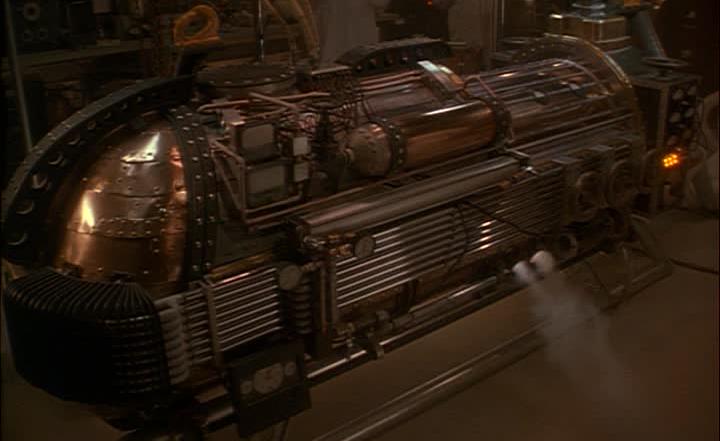
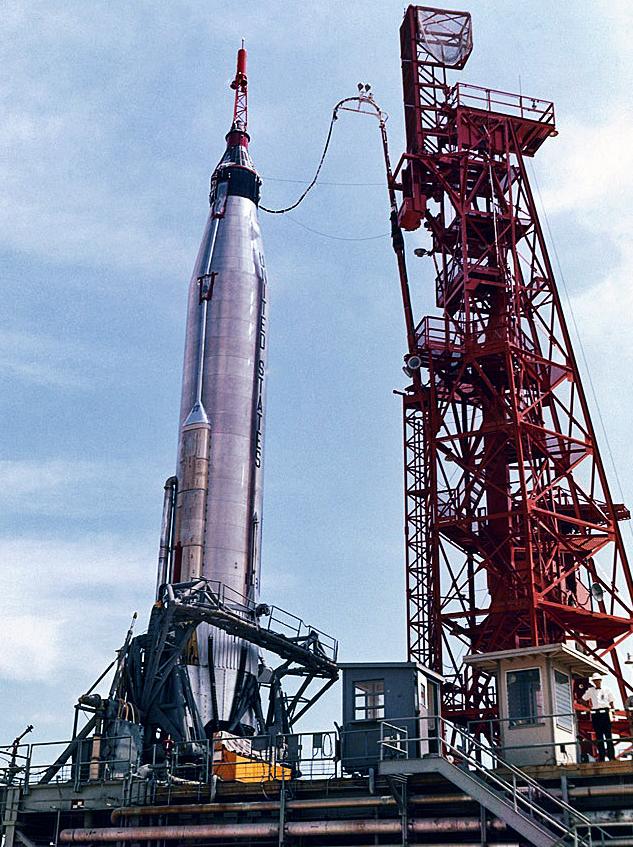
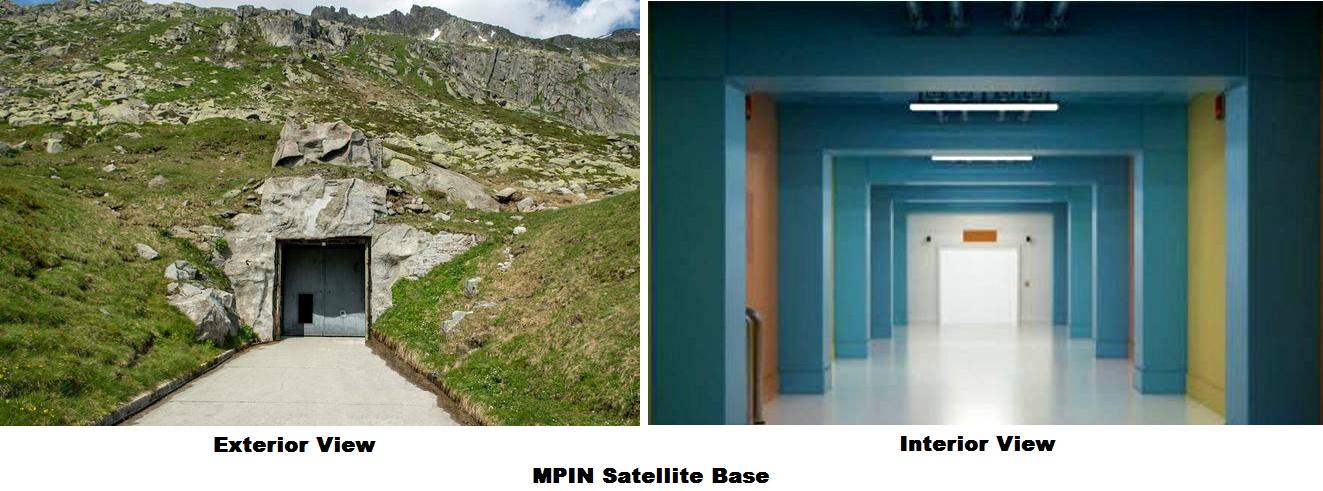

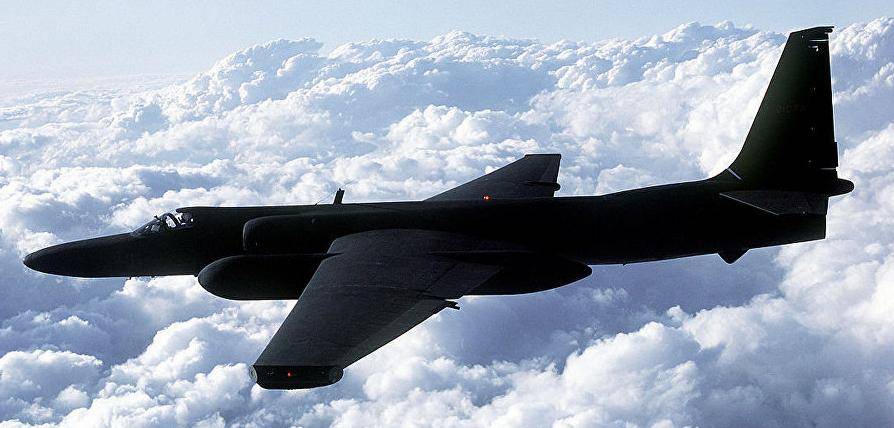
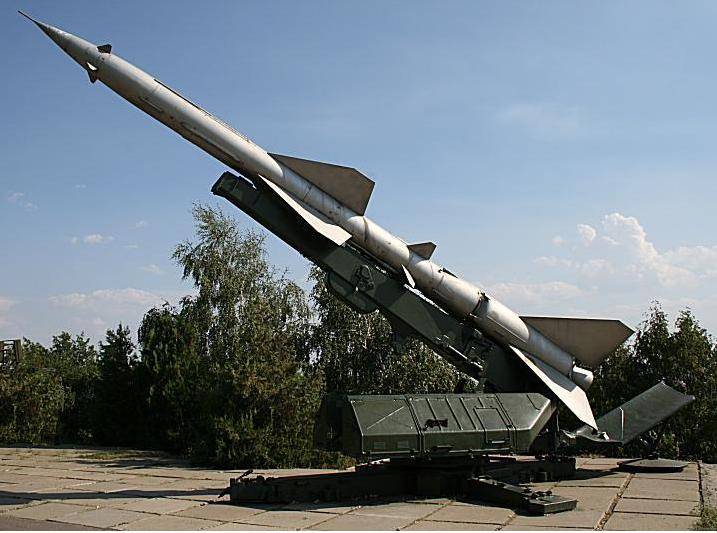
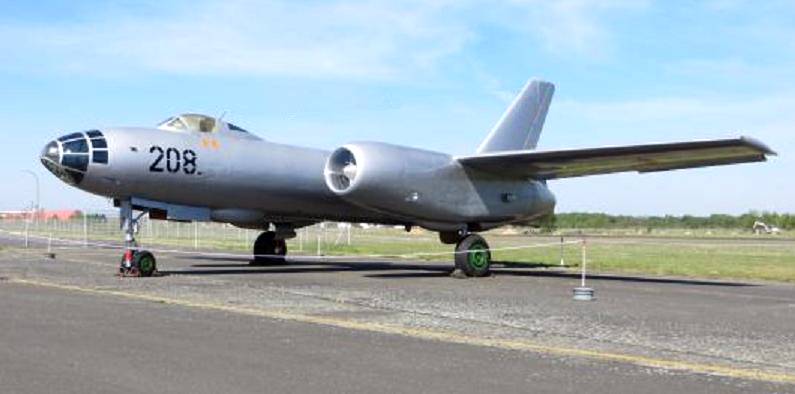
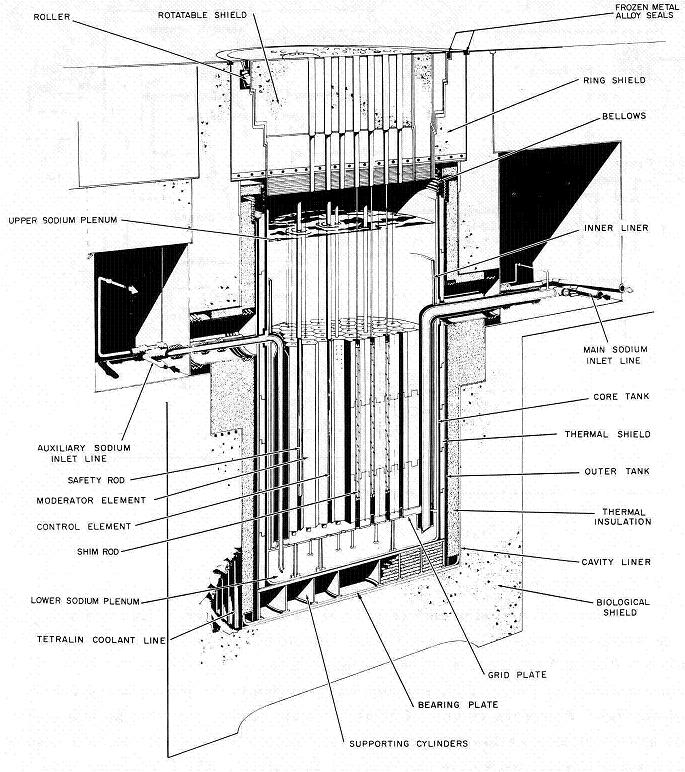
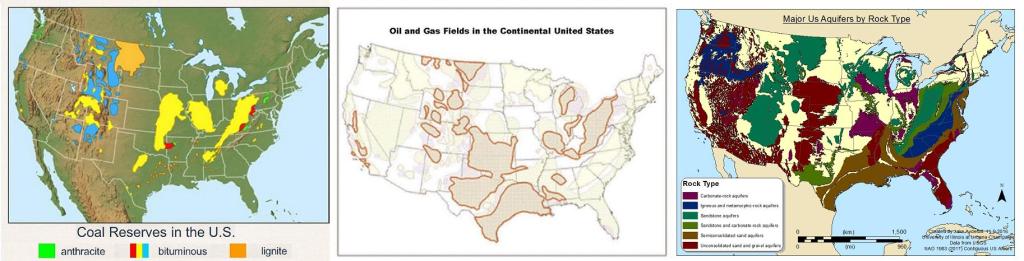
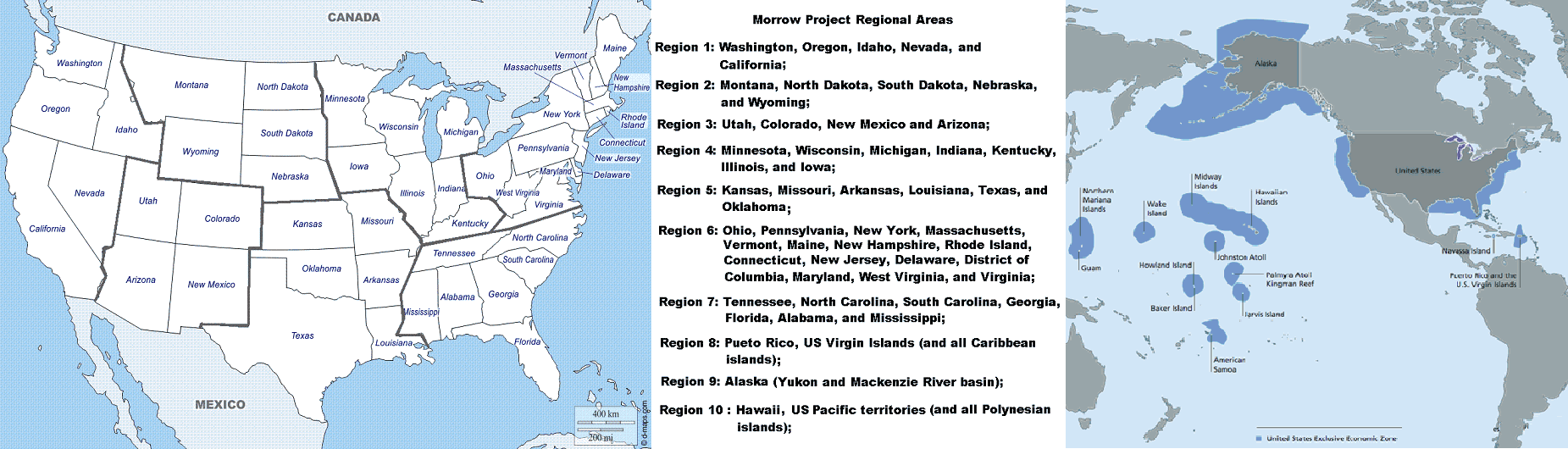

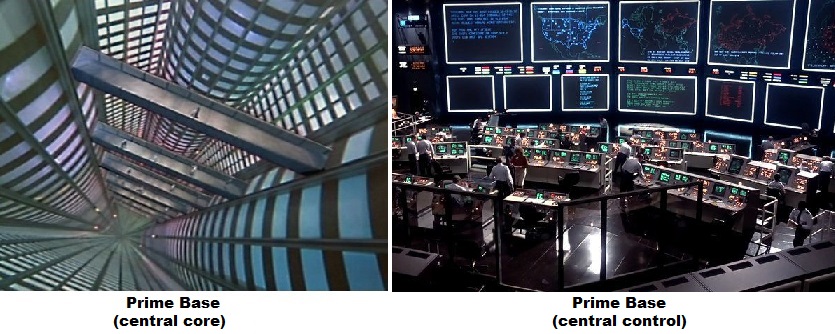
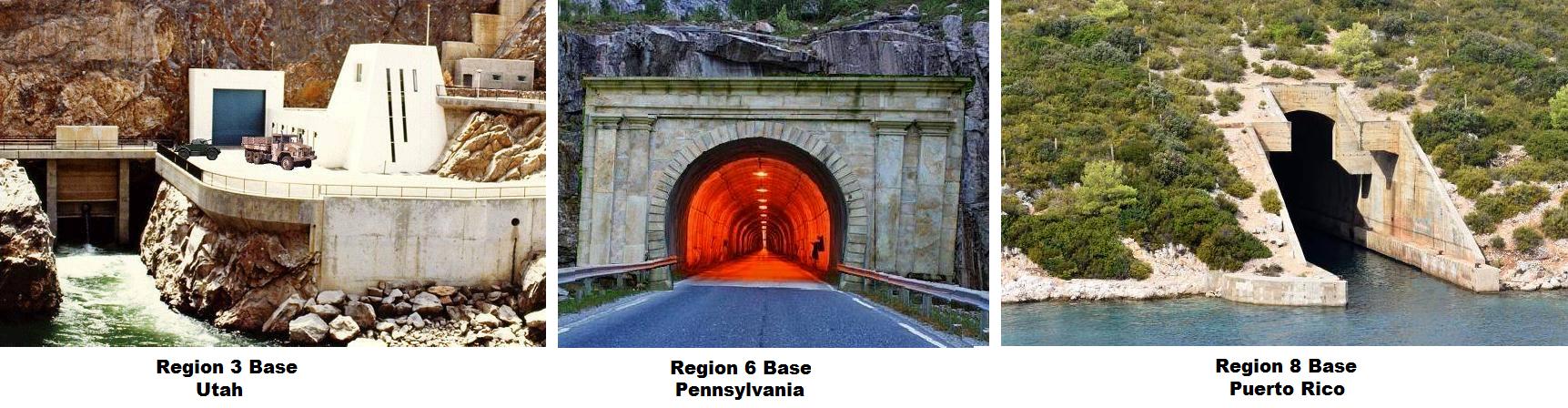
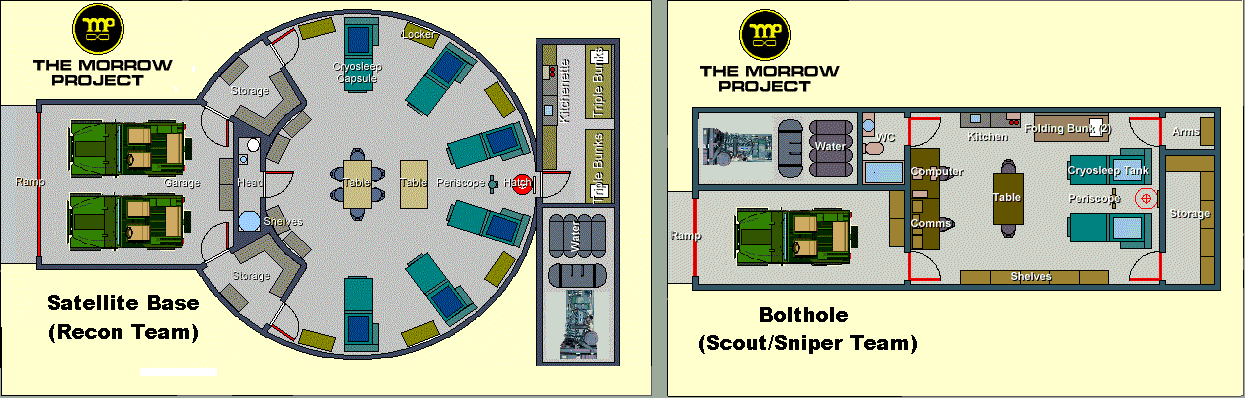

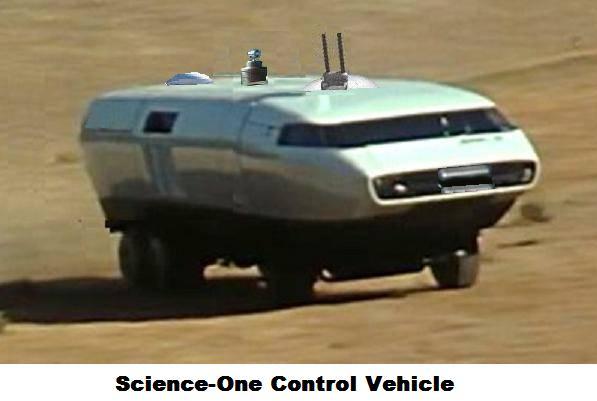
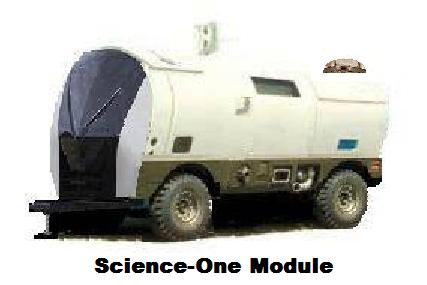
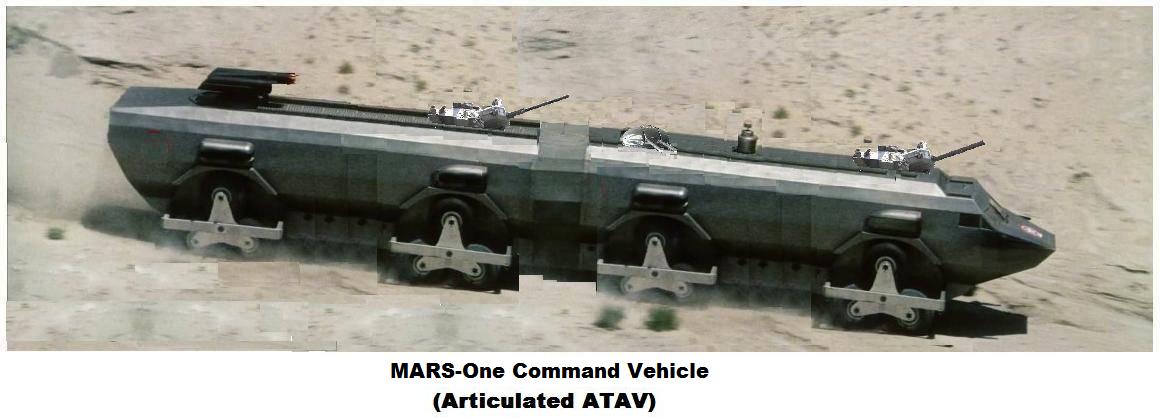
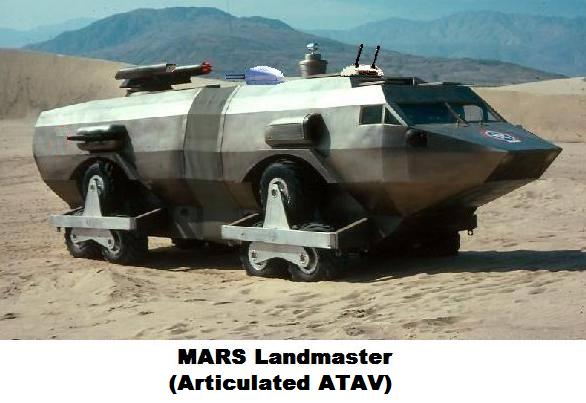
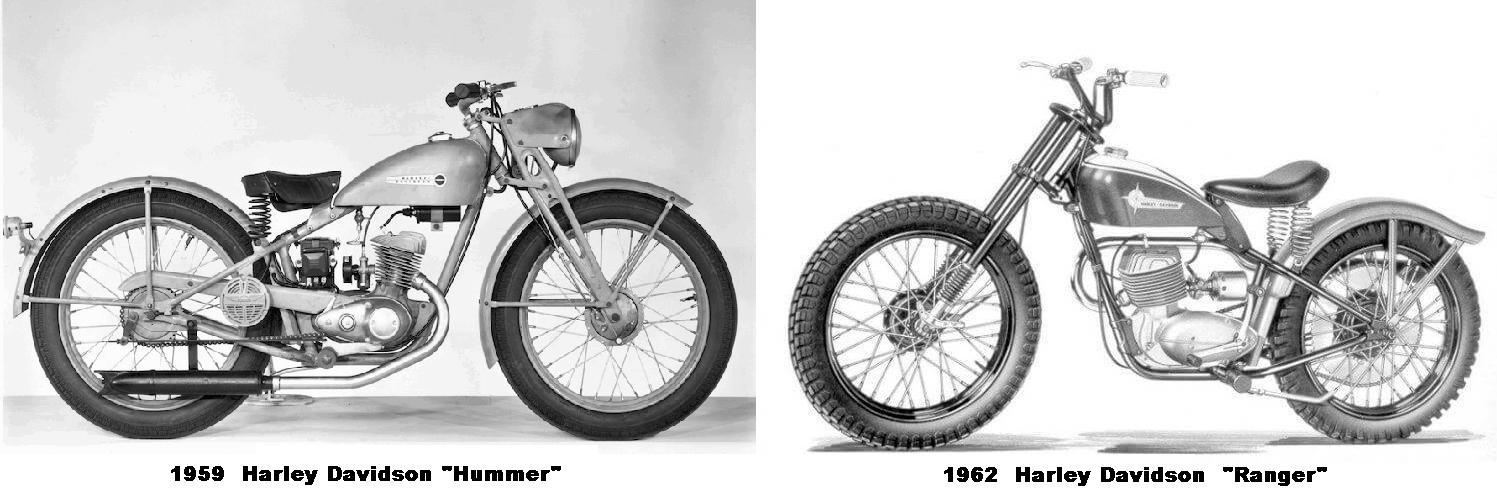
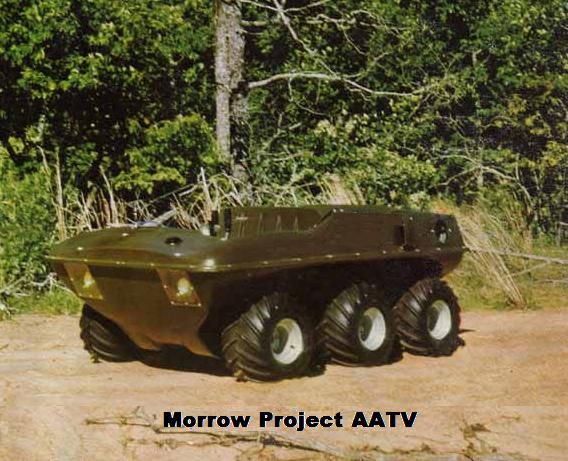

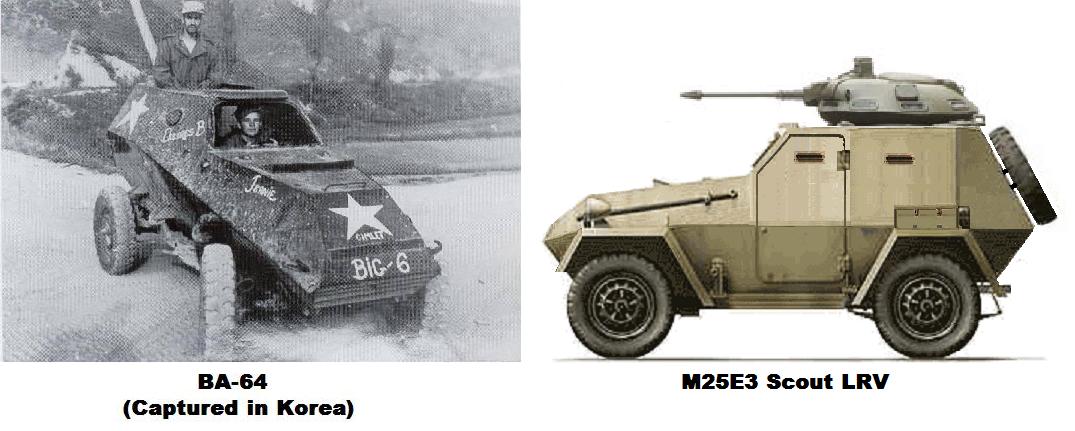
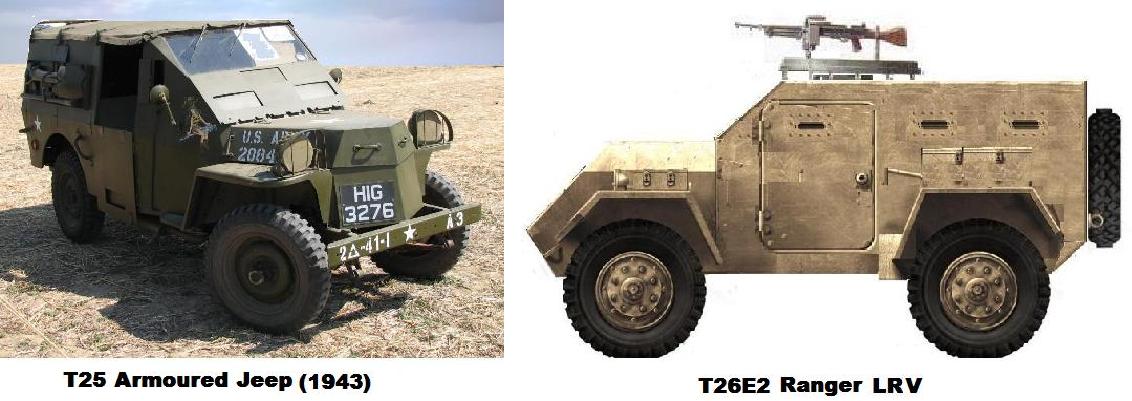
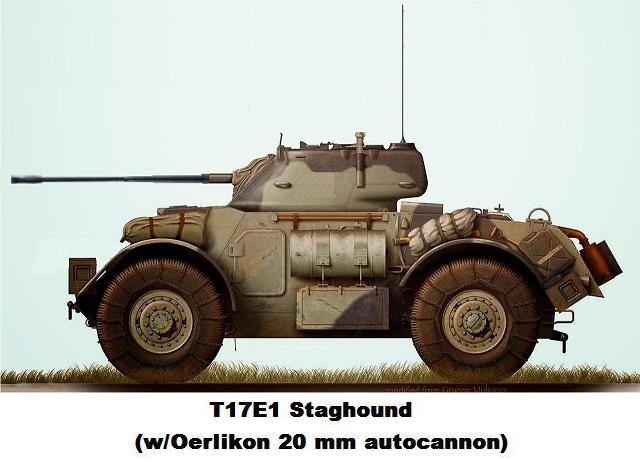
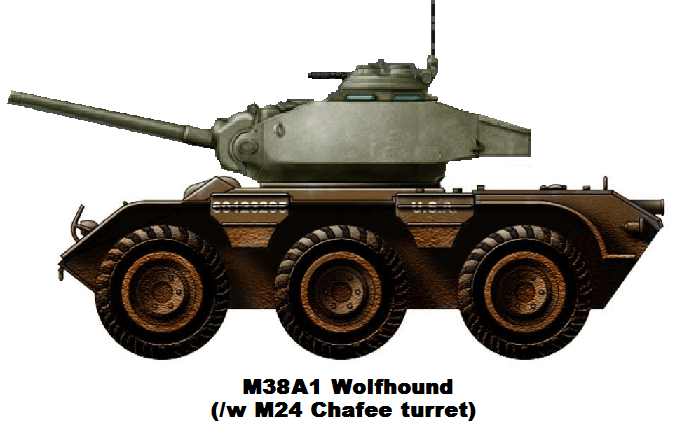
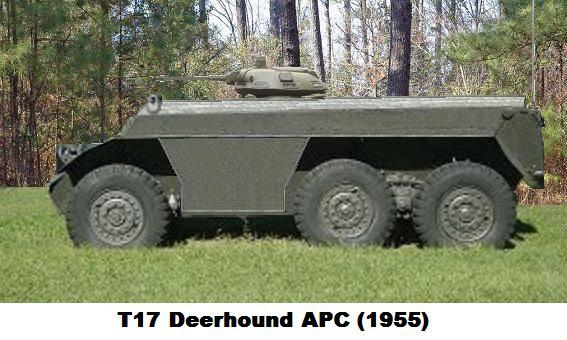
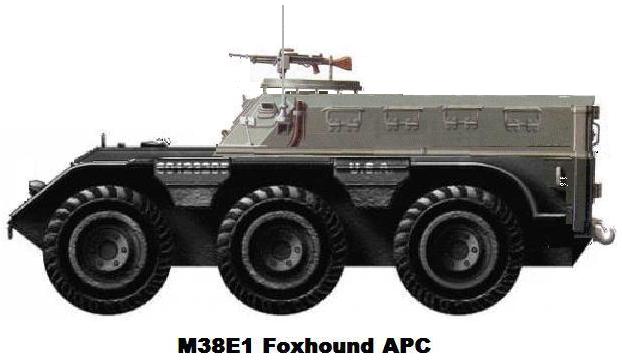
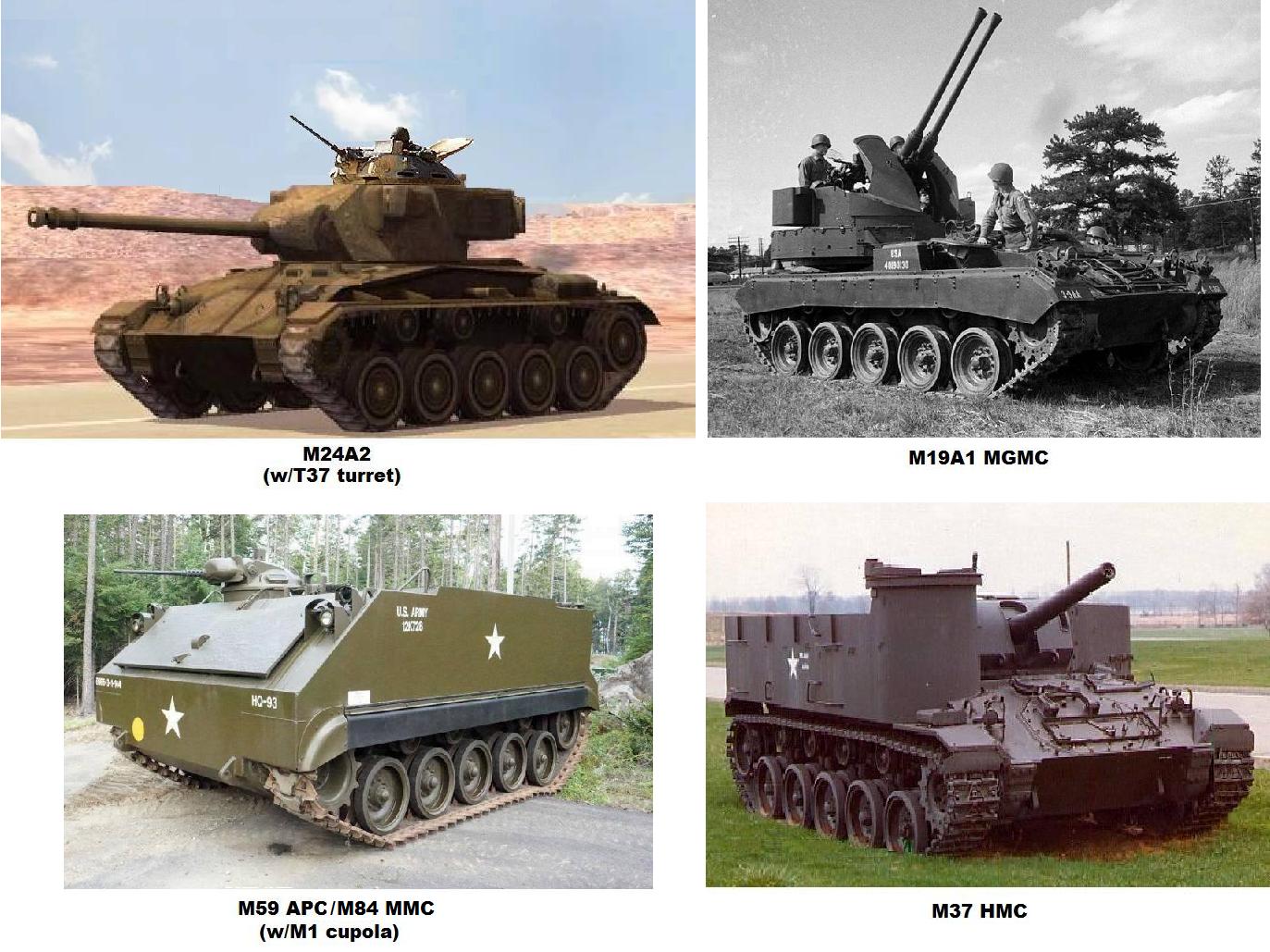
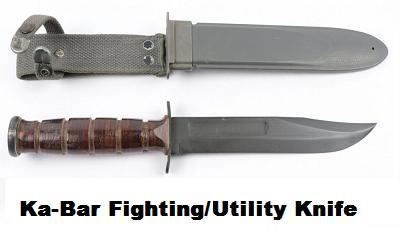



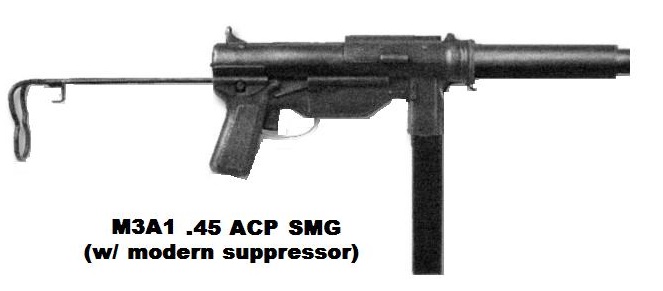
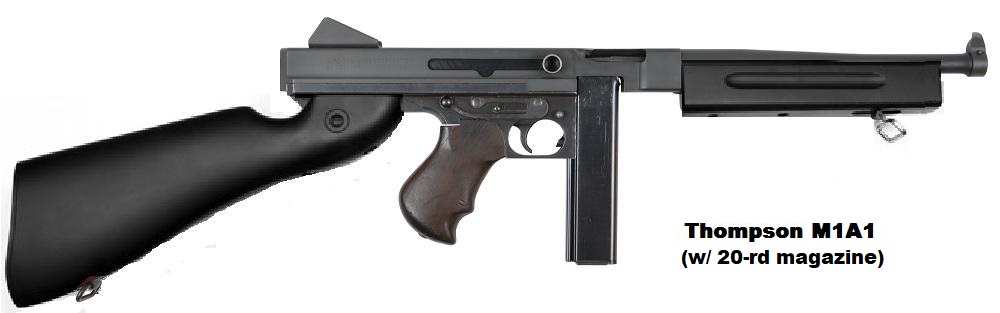
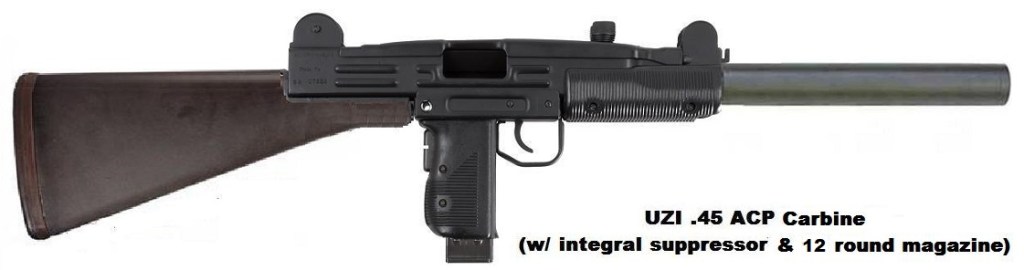
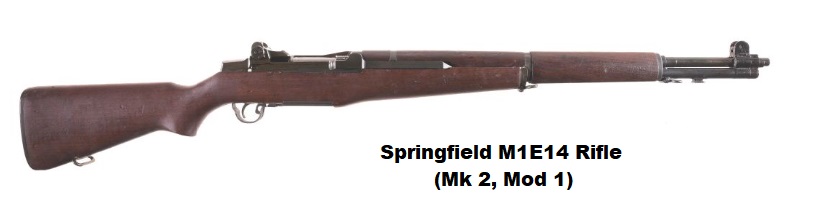
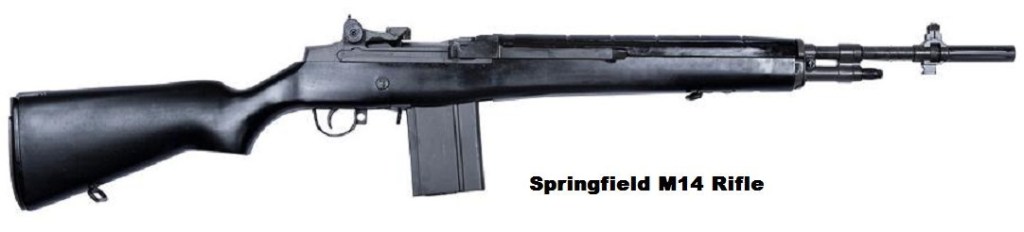
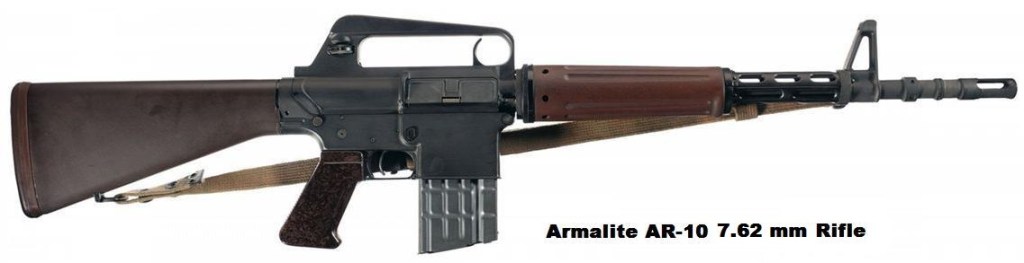
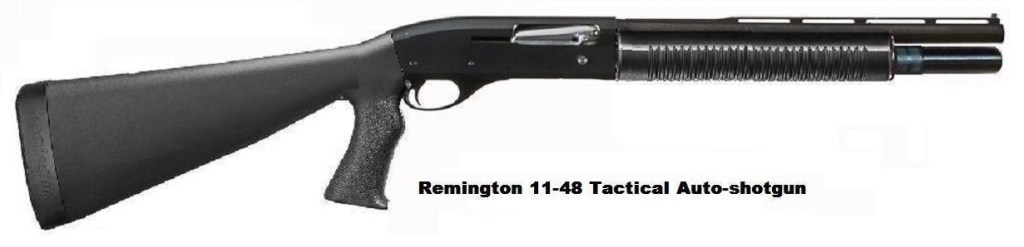
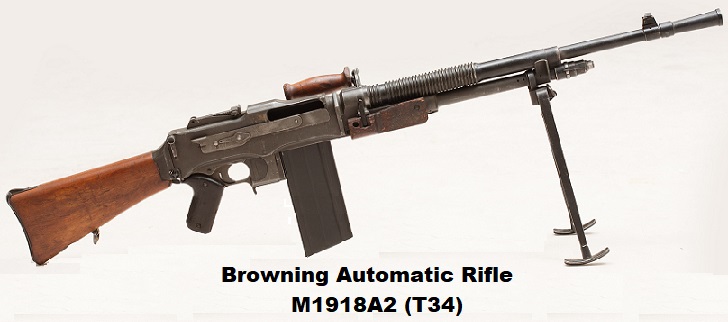
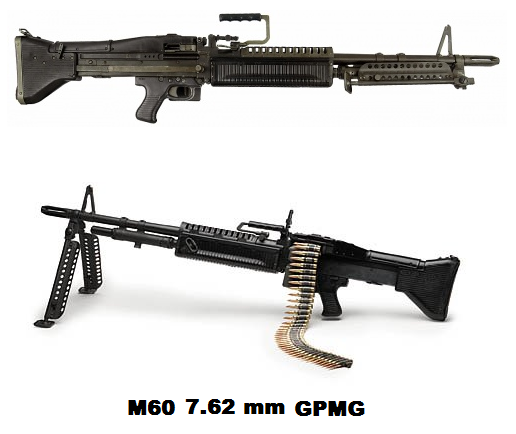
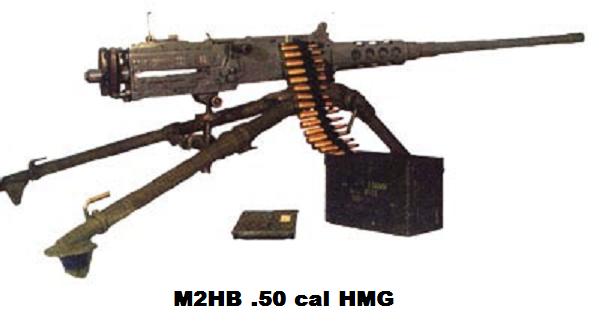
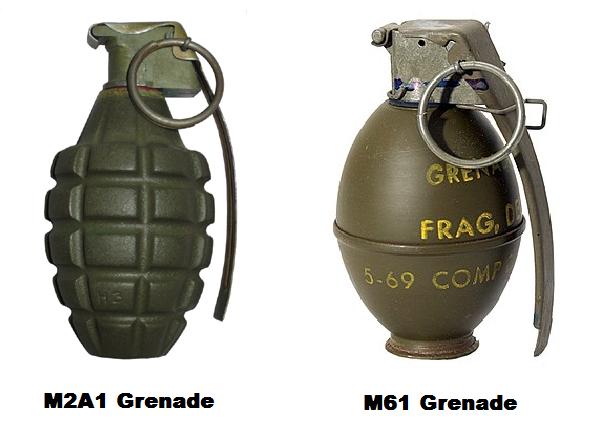
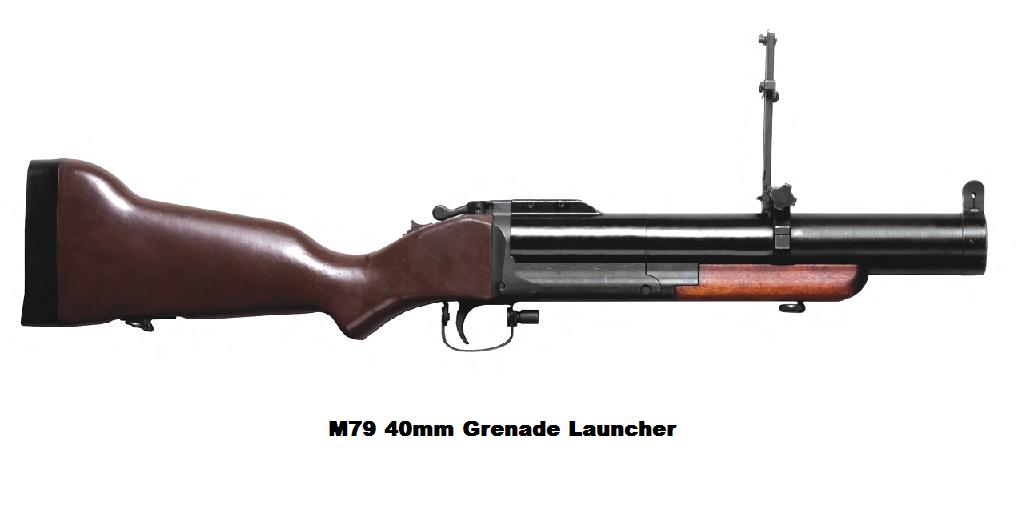

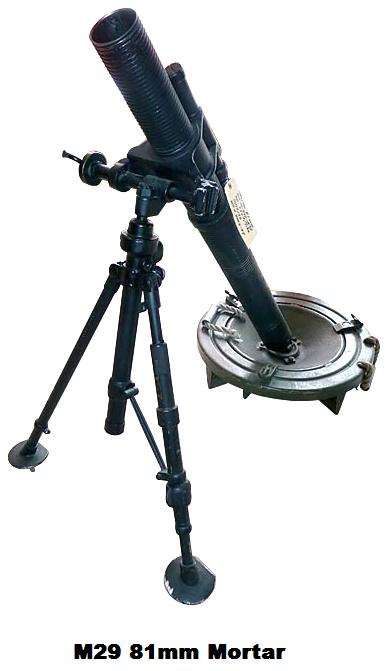


 In Janissarius Scripturam
