
Table of Contents
- Introduction
- An Altered History
- Project Starlight
- Morrow Project Integration North (MPIN)
- Judgment Day
- Bases and Infrastructure
- Morrow Teams
- MARS-Heavy
- Vehicles
- Science One
- Science-One Module
- MARS-One
- Landmaster
- Motorcycle
- Amphibious ATV
- Air Scout
- Logistics Vehicles
- T25E3 “Scout”
- T26E2 “Ranger”
- T17E1 Staghound
- M38 Wolfhound
- T17 Deerhound
- M38E1 Foxhound
- M24 Chaffee
- Weapons
- USMC Ka-Bar
- M6 Bayonet
- M1917 Revolvers
- Colt Model 1911A1
- M3A1 SMG
- Thompson M1A1
- IMI Uzi
- Springfield M1E14
- Springfield M14
- ArmaLite AR-10P
- Remington 11-48R/P
- T34 Squad Automatic Weapon
- M60 General Purpose Machine Gun
- M2HB Heavy Machine Gun
- M79 40 mm Grenade Launcher
- M2 60 mm Mortar
- M29 81 mm Mortar
- M20A1 90mm Anti-tank Weapon
Introduction
When I created this variation the internet wasn’t even a thing, commercially speaking, so I took much of my background from resource and magazine articles on weapons and equipment and visual representations from movies and television series’ that were available at the time. Though I have reworked things somewhat I have tried to maintain something of the time in which it was created, as anyone familiar with ’70s and ’80s media will note. I embarked on this effort originally to eliminate the “traveller from the future” element that gave Morrow teams such anachronisms as nuclear powered vehicles, powered armour and laser weapons that always struck me as a bit of a cheat. Though it was created in the mid-’80s specifically for Morrow Project I have attempted here to allow individual GMs the freedom to use whatever game system they are most comfortable with. To that end I have provided a great deal of description and very little in the way of game mechanics since everything contained herein can be played using the standard Morrow Project rules, or rules within the GM’s system of choice, as the items of equipment listed are one-to-one replacements for the corresponding items in the game TOE sans anachronisms. Please to not be daunted by the amount of material presented, particularly as regards the altered history and descriptions of items that you, as GM, may not consider necessary to your game. All of this background is provided as information that a player might find of interest or a player character might be considered to know. Feel free to use it as and when you wish.
An Altered History
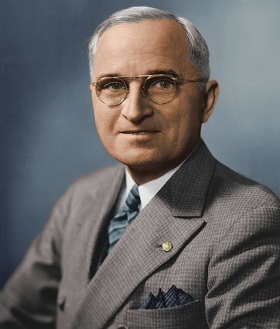
On 16 December 1950, President Harry Truman declared a national state of emergency, when Chinese ground forces and Soviet air forces entered the Korean War, that was never rescinded and continued to be in effect after that war ended. Having endured years of rising Soviet aggression and having, in his opinion, narrowly avoided a nuclear confrontation over Korea the President ordered that ways and means be explored to ensure the continued survival of the United States Government, institutions and military following a nuclear exchange between the Soviets and the United States.
The project, originally called “Genesis II”, recommended that expansive bunker systems, virtual underground cities in fact, be constructed utilizing cavern systems, such as those at Carlsbad, NM, and deep mine systems, such as the Empire Mine in Grass Valley, CA. Although the full recommendations of this project were considered overly ambitious, the idea of an extensive, inter-connected bunker system throughout the Continental United States did gain traction and was pursued under “Project Phoenix”, with many of the sites recommended by the project team of “Genesis II” being utilized. Some of these – such as Cheyenne Mountain, CO, Raven Rock Mountain, PA, and Mount Weather, VA – would be used for facilities outside of the later Morrow Project program while some caverns – such as those in Kennesaw Mountain, GA, and White Horse Mountain, NY – would be utilized to become part of the later Morrow system.
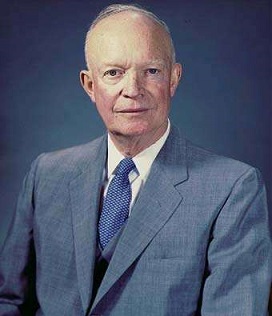
Under President Dwight Eisenhower, Project Phoenix took on a whole new direction when one of the scientists brought into it, a Harvard professor named Bruce Edward Morrow, came to the attention of the Presidential Directorate overseeing the program. As a young undergraduate in 1939 he had worked on a project with Cal Tech professor Harold Finley that had successfully created a prototype cryonic chamber and had even cryogenically suspended the life functions of a human subject. Unfortunately, Professor Finley and the test subject died in a laboratory fire in 1940 and, with the United State’s entry into WWII, the project was forgotten. Professor Finley’s notes and journals, kept safe by his wife and daughter since his death, were retrieved and Professor Morrow put in charge of recreating and continuing the research. Gradually, their processes improved and their equipment became more advanced, ensuring successful cryogenic suspension and resuscitation.
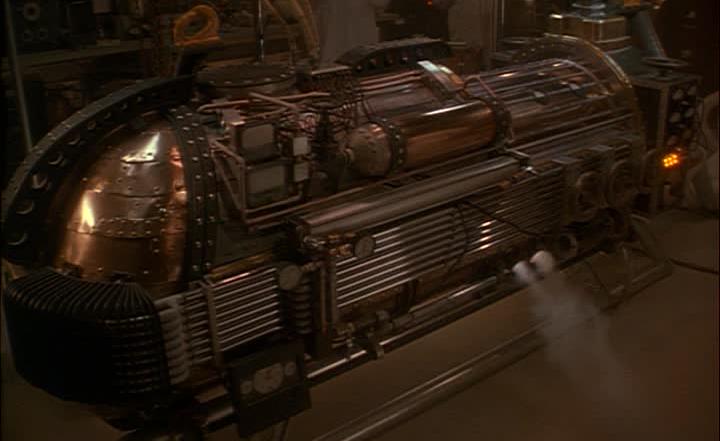
At that point Project Phoenix became an ambitious plan to cryogenically freeze special teams with equipment to aid in the reconstruction of civilization after nuclear war. For many years the Presidential Directorate secretly built major regional bases and their dispersed satellite bases and, in 1955, began including the first teams to await the proper time for reawakening. By that time Morrow had become a leading figure in the Project administration, turning the Cryogenic division over to Dr Dylan Hunt, and by 1959 had become so influential that the program became unofficially known as the “Morrow Project”, which would become the official de facto title when John Kennedy took office in 1961. Dr Hunt would subsequently become leader of “Project Starlight”, an effort to place cryogenically suspended Morrow teams in orbit.
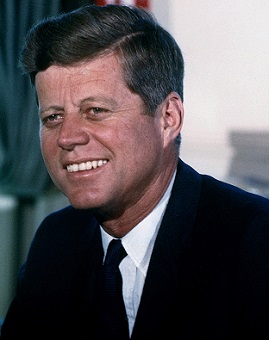
In 1960, the Project carried out a complete updating of all the previously “stored” equipment, opening those satellite bases that had been completed and sealed without waking the teams therein, and leaving behind new equipment, vehicles and the instruction manuals on how to operate them. These efforts had not been completed when hostilities commenced so the TOE for some caches may still include older equipment such as M3 SMGs and M14 rifles that were supposed to have been replaced.
Project Starlight
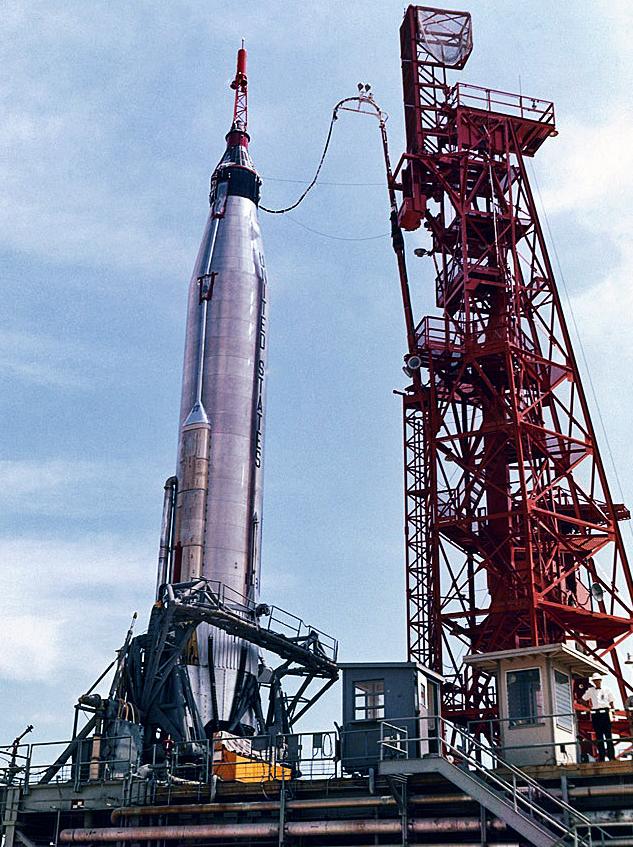
Leading up to Oct 1962, three specially modified Mercury capsules and a fourth control capsule (with a docking ring, solar powered control systems and sufficient fuel to maintain orbit) were launched into low earth orbit. On 03 Oct Sigma 7 was launched and the three capsules were docked with the fourth by radio control. The experiment was to be completed in May of 1963 with the launch of Faith 7 but the destruction of Cape Canaveral and many of the tracking stations in Nov 1962 left the station stranded in orbit, maintained by its power and control module. The reentry sequence was automatically triggered over a hundred years later when the control systems detected that the station’s orbit was degrading and could no longer be maintained. The three capsules successfully returned to Earth at White Sands, NM, within a kilometer of one another and revived their occupants: USAF Captain Anthony Vico, Dr. Allison Crowley (electronics engineer) and Dr. William Scott, MD.
Morrow Project Integration North (MPIN)
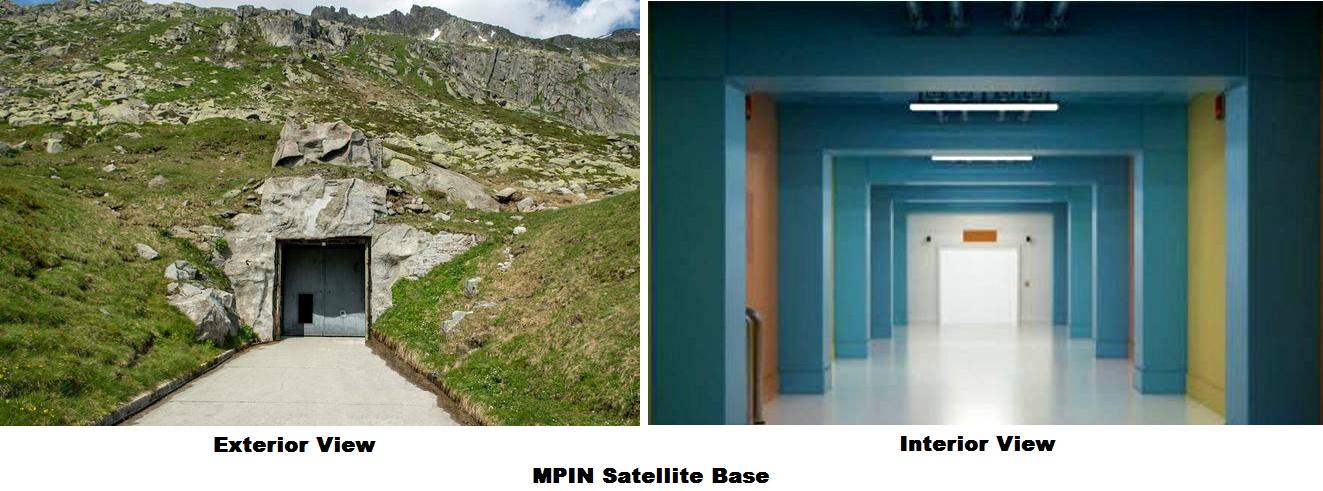
Beginning in December 1958 a plan was put forward to extend Project resources into Canada and integrate these new Canadian bases into the existing American system. This was approved in early-1959 and construction of Canada’s equivalent of Prime Base was started that year. By 1960, work had also begun on 7 regional bases, 32 satellite bases, 25 boltholes, 45 caches and 2 depots. Though Prime Base (near Sudbury, ON) and all of the satellite bases and boltholes had been completed by the time hostilities commenced in Nov 1962, it is not known if any of these were operational and none of the regional bases or depots, in various stages of construction, were completed in time. However, all the cashes are known to have been completed and stocked though the details of what they may contain is open to debate (and the caprice of the GM). The eight MPIN regions were to have been Newfoundland, Maritime (NS, NB, PEI), Quebec/Labrador, Ontario (Prime Base), Manitoba/Saskatchewan, Alberta/B.C., Yukon/western NWT and eastern NWT (Ellesmere). Paradoxically, the Ellesmere regional base, which had been partially completed and manned somewhere north of Grise Fiord, NWT, was rumoured to include hardened hangers that were cut into a mountain of the Arctic Cordillera range there specifically to house and support a flight of six fighter/interceptors of unknown type (CF-105 Arrow Mk.I). The two depots were to have been situated near Saguenay, QC (Eastern Region) and Ft McMurry, AB (Western Region).
Canadian Cold War equipment in use prior to 1962:
- C1 Bayonet, Smith & Wesson M&P .38 cal revolver (Retired), Inglis Hi-Power 9mm semi-automatic pistol, M61 grenade, [M7A3 grenade launcher for M17 Fragmentation/M22 smoke/M28 HEAT/M31 HEAT rifle grenades];
- Sterling C1 9mm SMG, Sten Mk II/IIS Cdn 9mm SMG (Retired), FN C1 7.62mm battle rifle, Lee–Enfield No. 4 Mk 2 .303 rifle (Retired), [Garand M1E14 7.62mm rifle (as per Mk 2, Mod 1) for MPIN, Lee–Enfield Militia Carbine (as per L8A1 rifle w/18.8″ barrel)]
- FN C2 7.62mm LMG, [Browning Automatic Rifle, T34 7.62mm LMG (as per FN DA1) for MPIN, Bren Militia LMG (as per Bren L4A1)];
- Browning C5 7.62mm GPMG, Browning M2 .50 cal HMG;
- M19 CAN 60 mm mortar, Ordnance ML 3.2-inch mortar;
- Heller 3.2-inch anti-tank weapon, M20A1 90mm anti-tank weapon, M40 106mm recoilless rifle;
- Willys MB Jeep, Willys MC/MD Jeep, Ford M38 CDN Jeep;
- Dodge M37 3/4 ton truck, Dodge M43 Ambulance, GMC C15TA armoured truck (Retired), GMC M135 2-1/2 ton truck, GMC C15A & C60X (in Reserve), Int’l Harvester M54 5-ton truck, Diamond T G509 4-ton truck (in Reserve);
- Lynx Scout Car (in Reserve), Ferret Scout Car, Fox Armoured Car (Retired), Otter Armoured Car (Retired), Staghound Armoured Car (in Reserve);
- M24 Chaffee (Retired), M4A2 Sherman (in Reserve), M4A2E8 Sherman (in Reserve), Centurion Mk.3 (current MBT);
- Bell 47D & 47G light helicopter (9x H-13 Sioux, in reserve by 1961), Hiller H-23D (27x CH-112 Nomad) light helicopter.
Judgment Day
The Cuban Missile Crisis was a confrontation between the United States and the Soviet Union initiated by Soviet ballistic missile deployment and construction of a number of missile launch facilities in Cuba in the summer of 1962. Missile preparations were confirmed when a US Air Force U-2 spy plane produced clear photographic evidence of medium-range (SS-4) and intermediate-range (SS-5) ballistic missile facilities. The US immediately announced it would not permit offensive weapons to be delivered to Cuba, demanding that the weapons already in Cuba be dismantled and returned to the Soviet Union, and established a naval blockade on October 22 to prevent further missiles from reaching Cuba. On the evening of October 24 a telegram from Khrushchev informed Kennedy that the Soviet Union viewed the blockade as “an act of aggression”, that their ships would be instructed to ignore it and warned that the United States’ “outright piracy” would lead to war.
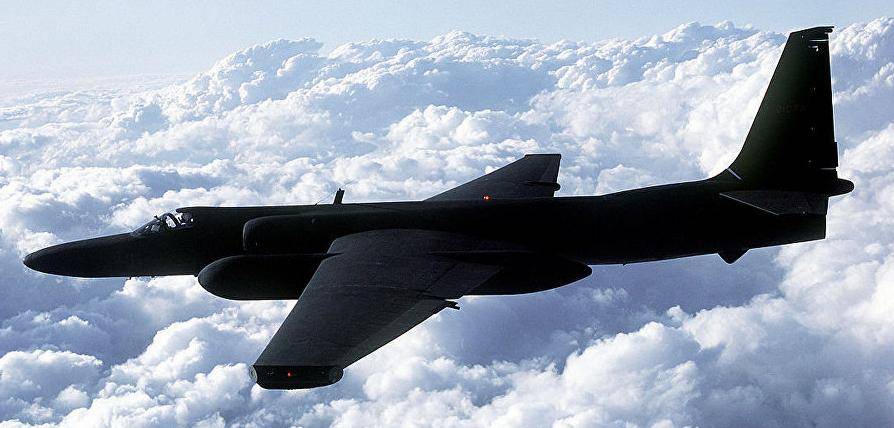
The next day the US raised the readiness level of SAC forces to DEFCON 2, placing B-52 bombers on continuous airborne alert and B-47 medium bombers were dispersed to various military and civilian airfields and made ready to take off, fully equipped, on 15 minutes notice. One eighth of SACs 1,436 bombers were on airborne alert, and some 145 intercontinental ballistic missiles stood on ready alert, some of which targeted Cuba, and Air Defense Command (ADC) redeployed 161 nuclear-armed interceptors to 16 dispersal fields within nine hours, with one third maintaining 15-minute alert status. Twenty-three nuclear-armed B-52s were sent to orbit points within striking distance of the Soviet Union. By October 22, Tactical Air Command (TAC) had 511 fighters plus supporting tankers and reconnaissance aircraft deployed to face Cuba on one-hour alert status and 24 Reserve squadrons were activated to provide airlift assets in support of a major airborne operation. By Oct 26 the Soviets had shown no indication that they would back down and had made several comments to the contrary. The US had no reason to believe otherwise and was in the early stages of preparing for an invasion, along with a nuclear strike on the Soviet Union if it responded militarily, which was assumed.
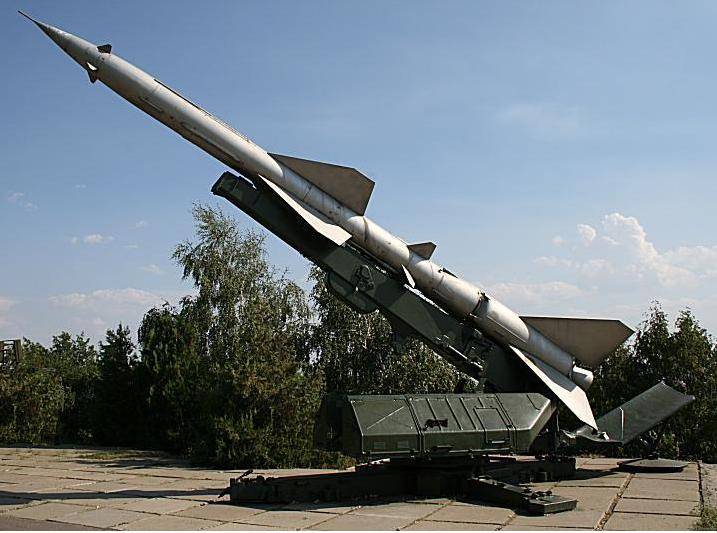
On the morning of October 27, a U-2F was struck by a SA-2 Guideline surface-to-air missile launched from Cuba, downing the aircraft and killing the pilot. Later that afternoon several US Navy RF-8A Crusader aircraft, on low-level photoreconnaissance missions, were also fired upon and the CIA reported that all missiles in Cuba were ready for action. At the same time a U-2 spy plane made a ninety-minute overflight of the Soviet Union’s far eastern coast, to which the Soviets responded by scrambling MiG-21PF fighters from Wrangel Island and, in turn, the Americans launched F-102 fighters armed with nuclear air-to-air missiles over the Bering Sea.
Later that same day the US Navy dropped a series of “signaling depth charges” on a Soviet submarine (B-59) at the blockade line, unaware that it was armed with a new nuclear-tipped torpedo. As the submarine was too deep to monitor any radio traffic the captain of the B-59 and his commissary officer decided that a war might already have started and ordered the launch a nuclear torpedo. The 4.8 kiloton blast, twenty meters beneath the surface, destroyed the aircraft carrier USS Randolph and a number of its 11 escorting destroyers. B-59 was hunted down and sunk by the surviving destroyers but the other three submarines of the flotilla, unaware of what had happened, remained at large and undetected. This is considered the opening shot of WWIII.
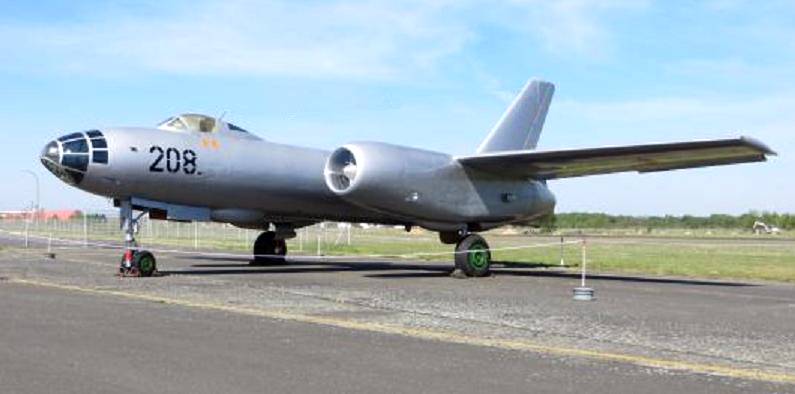
On the morning of 28 Oct, air strikes commenced on all Cuban missile and SAM sites and other strategic targets. Later that morning the 4th (Reserve) Marine Division was activated and the 2nd Marine Division began landing in support of an airborne assault by the 82nd and 101st Airborne Divisions. MiG-21 fighters and Il-28 bombers that managed to take off were pursued and shot down on the assumption that they were nuclear armed. During the attack, American forces discovered that Cuba had also been supplied with Soviet nuclear armed tactical rockets, which had been unknown to them until then.
The Soviet response was to once again close off Berlin and begin mobilization of it’s own conventional and nuclear forces which, in contrast to American activity, had remained dormant to that point. The United States went to DEFCON 1 and began the dispersal of military forces and evacuation of major cities, none of which went as planned. NATO and Warsaw Pact countries followed suit but non-aligned countries, such as Sweden, Finland, Switzerland and Yugoslavia, declared their immediate neutrality. Of particular importance was the fact that China also declared itself neutral. The United Nations ordered an emergency session to avert the crisis but to no avail, particularly as most delegates were getting out while they could. On 02 Nov President Kennedy addressed the US via radio and television broadcasts informing them that a single bomber group had mistakenly launched an attack on Soviet launch facilities near Moscow due to a computer error and that, as a result, the city and surrounding bases had been destroyed. Soviet retaliation was swift, with nuclear strikes on all American (and the few British and French) nuclear bases in Europe and in North America commencing on 05 Nov, followed up with an attack in Europe by conventional forces on 09 Nov. Subsequently there were numerous nuclear exchanges involving artillery, aircraft and missiles so that by the beginning of December all of the Soviet Union, Europe and North America lay in ruins and the rest of the world was dealing with the ensuant cloud of deadly radiation and the beginnings of nuclear winter.
Bases and Infrastructure
Prior to 1960, bases were powered by hydroelectric, geothermal or multifuel diesel generator systems, depending on location and available resources. Both solar thermal and photovoltaic systems were also considered but were thought to be far too visible to maintain security. By 1960, nuclear power generation became a proven technology and reactors were installed at all major bases that were previously dependant on diesel generator systems. These were Atomics International 3MW closed cycle, sodium cooled, thorium fission reactors (available as of 1960) producing 200 kW electrical and 400 kW thermal energy with a 30,000hr life cycle before requiring maintenance and core loading. For those bases so retrofitted a nuclear technician or technical team will have been included as part of the base organization to ensure proper startup and operation.
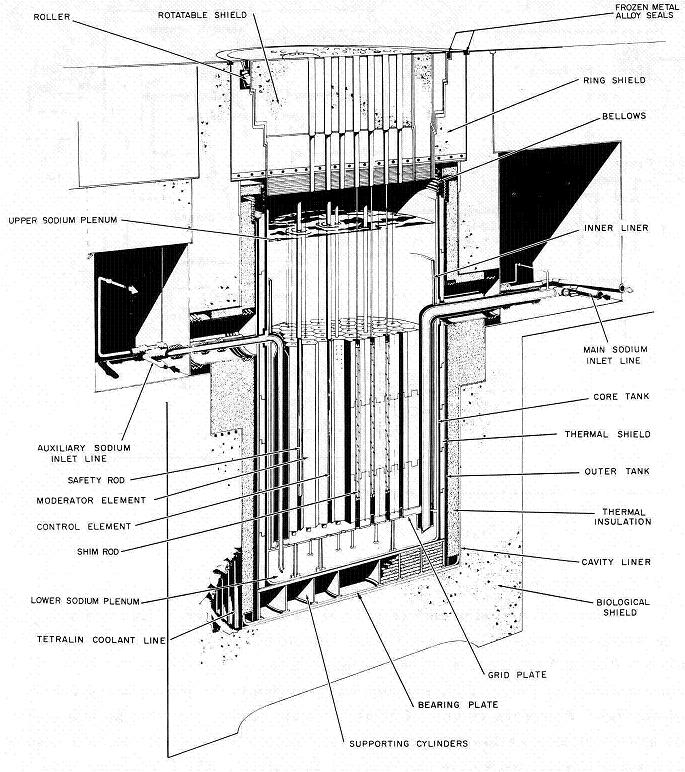
The multifuel diesel generators were retained as secondary systems for all major bases retrofitted to the new system and remained the primary system for all satellite bases, none of which had been converted by the time hostilities commenced. Cryogenic storage of diesel fuel ensured that stockpiles would remain viable until needed and bases were placed near known oil fields and coal beds so that additional fuel could be distilled as required. Essentially, every base had access to its own oil deposit or coal mine to provide liquid fuel for power generators and vehicle engines. Each base and depot also had access to one or more deep water wells and state-of-the-art purification systems so as to provide a reliable source of clean water, a vital resource in any survival situation. In a worst case scenario, this resource could be used to provide hydrogen and oxygen, via electrolysis, in a closed system making each equipped facility completely independent of a potentially hostile exterior environment.
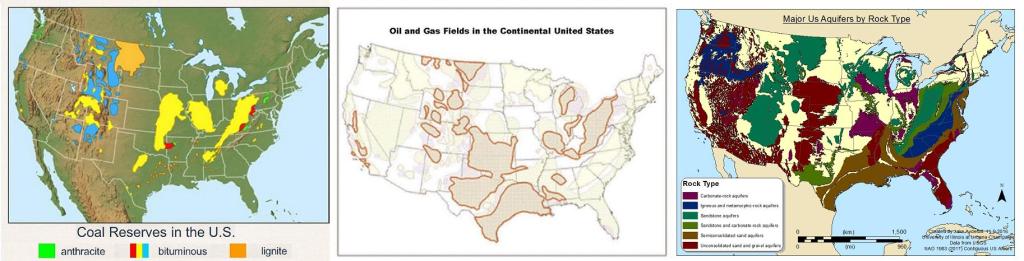
All major bases and depots included a complete microfiche and film library containing extensive information and instruction considered vital to the reconstruction effort, particularly construction, manufacturing, farming and the sciences. This makes these bases virtual annexes of the Library of Congress and the Smithsonian. Some satellite bases, such as those for Science, Granger and Reconstruction teams, may also have smaller libraries specific to their needs.
There are seven operational regions comprising the contiguous United States plus one each in Alaska, the Caribbean and the Pacific, each with their own underground command base. These bases are strategically situated in Nevada, Wyoming, Utah, Iowa, Oklahoma, Pennsylvania, Alabama, Puerto Rico, Hawaii and Alaska and control a total of 75 satellite bases, 39 boltholes, 47 caches and 19 depots spread throughout the 10 regions. The Pacific and Caribbean bases are somewhat unique in that they include a large number of watercraft in their TOE.
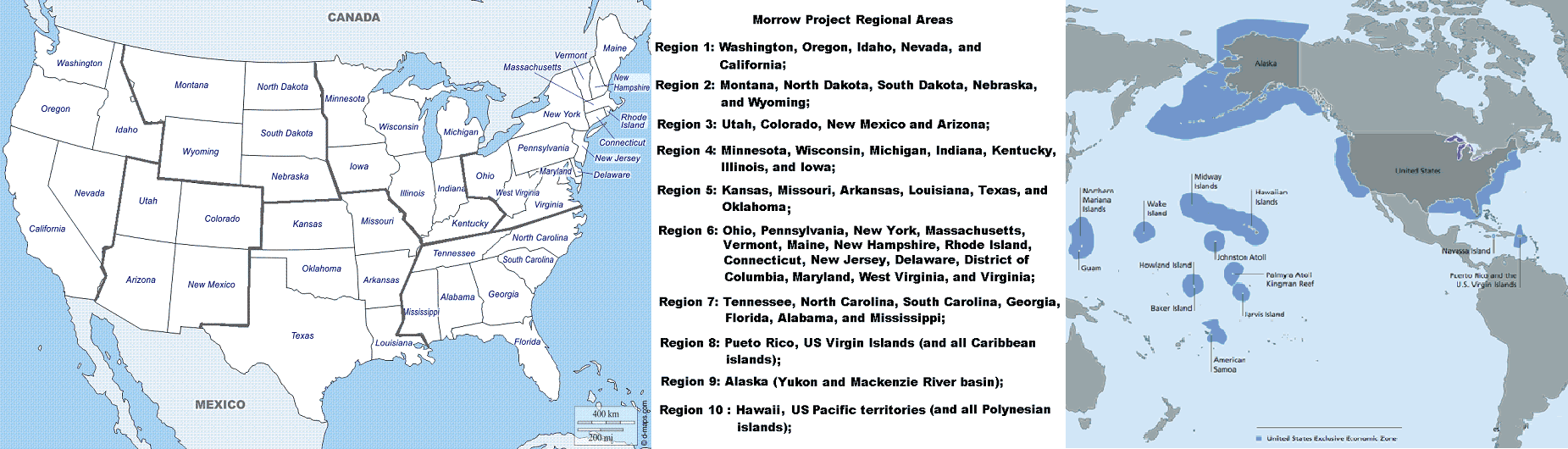
There are four types of bases with numerous variations:
Prime Base: The precise location of Prime Base is only known to high security level Project members but is believed to be located in California. Many believe there is a land based backup to Prime Base, possibly in Canada, but this is unlikely as none of the Canadian bases had been officially reported as operational by the time hostilities commenced.

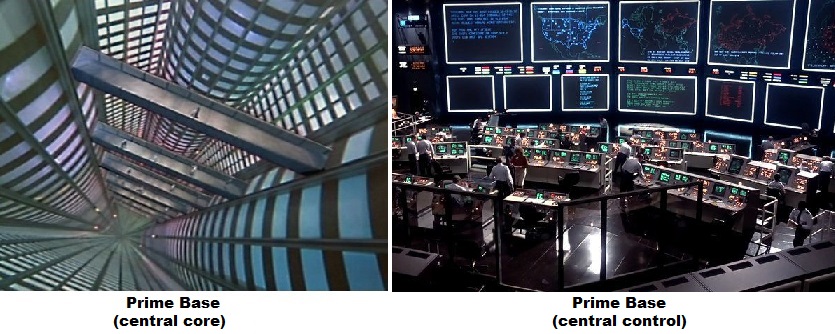
Regional Bases: The precise location of these bases are known to the leaders of those teams assigned to that region. Like Prime Base, Regional Bases are comprised of two main components:
Command, control and communications (C3) – responsible with contacting and coordinating the actives of teams from associated satellite bases; and
Logistics – supporting the integral Recon and MARS unit assigned to that base and the operations tasked to them, rather than reconstruction efforts per se. They are responsible for everything to keep the base running and all regional teams operational, once they are activated, with knowledge of and access to supply caches throughout the region.
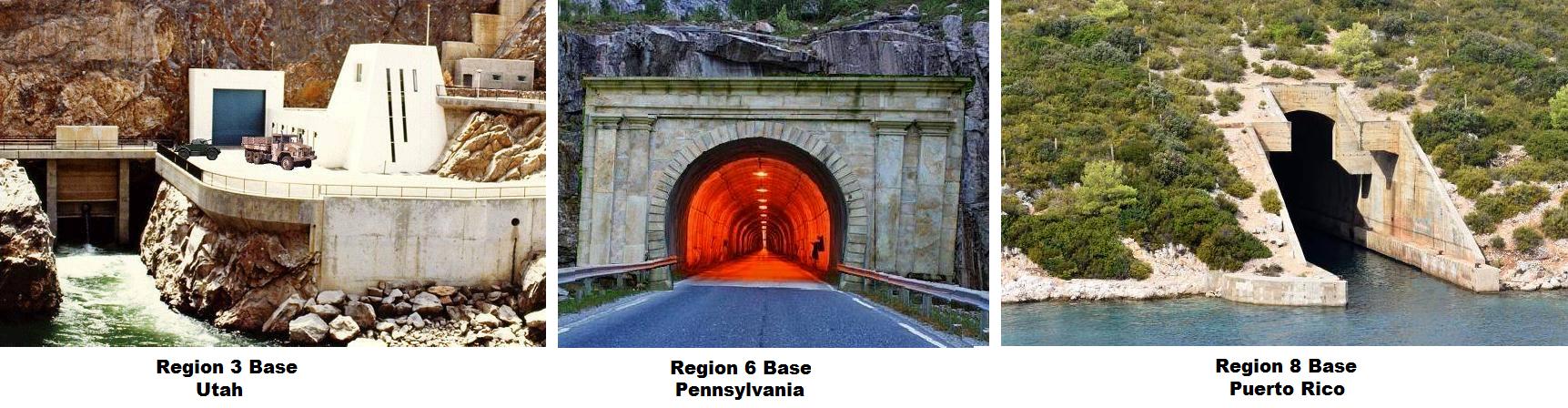
Satellite bases and boltholes: The base for all Recon teams, and most MARS, Science and Reconstruction teams. Satellite bases can help sustain operations in their sector while boltholes are meant to be abandoned after the team wakes up and moves out, though they can provide temporary shelter. The basic design can house a single stand-alone squad or be linked together as part of a larger complex housing multiple squads or additional vehicles, supplies and equipment.
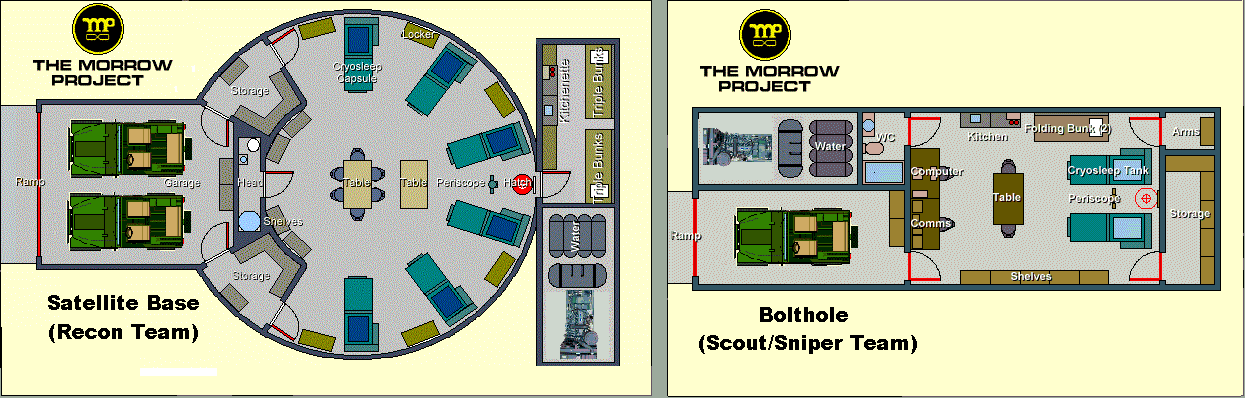
Supply caches and depots: A hidden bunker usually comprised of seven chambers, with 8 cubic meters of interior space but no living facilities, built around a long central corridor. They can be closed but not really re-sealed as each chamber and the connecting corridor are filled with an inert gas to protect the supplies and equipment therein. Individual storage cases, particularly those containing perishable goods such as food and medical supplies, may also be sealed and protected in the same way. Some caches have specialized equipment specific to particular teams and larger depots exist for, as an example, Agricultural teams (Grangers) and MARS formations that may have large, specialized equipment as part of their TOE.

For security reasons, most members of the Project don’t know the location of anything besides their own base or bolthole, and a half-dozen caches. MARS leaders will know the locations of some or all of their unit’s teams; and the big Science teams will usually know the location of the local Science and Recon teams (or, at least, how to contact them to activate them). Except for Prime base, which was built to sustain a couple of hundred persons awake throughout any nuclear exchange (and an unknown larger number of personnel in cryogenic berths) to maintain situational awareness, all of the Project’s teams were in their cryogenic chambers by 1959. One to five years after a nuclear exchange, Prime Base was to activate select Recon teams in their region, and Regional Bases to do the same, in order to investigate conditions. This would continue in five year increments until it was felt that the situation had improved sufficiently for reconstruction to begin, at which point MARS, Science and Reconstruction teams, would also be activated. Unfortunately, the location of all major military bases in North America, including many Morrow bases, had already been compromised, were known to Soviet Intelligence through their intelligence network in the United States & Canada and targeted by Soviet nuclear forces. For that reason, Prime Base and most Regional Bases and Depots were either destroyed or effectively sealed. Satellite Bases and Caches were spared either because their location had remained secret, because of their dispersal throughout the United States & Canada or because, due to their size, they were considered neither primary nor secondary targets.
Morrow Teams
Morrow teams consist of highly trained volunteers with a wide range of skills and at least a basic grounding in small arms use and survival techniques. They are generally composed of men and women with no families and no ties to the present, with few exceptions. They were initially recruited from various branches of the military but members of the intelligence community and then civilians were later included. Teams are of four types:
MARS (Mobile Assault, Rescue and Strike) teams, which consist of military-trained personnel to provide operational security and are structured along the lines of USMC Rifle squads that can be combined to form larger tactical units;
Recon teams, which are generalist “first-in” teams that evaluate areas before the MARS teams are activated and are structured along the lines of USMC Light Armored Reconnaissance squads or Scout/Sniper teams;
Science teams, which include medical professionals cross-trained in various fields and specialties; and
Reconstruction teams, which include specialty units such military and civil engineers and agricultural specialists that do the core work of the Morrow Project – the rebuilding of society after the Breakdown.
MARS-Heavy
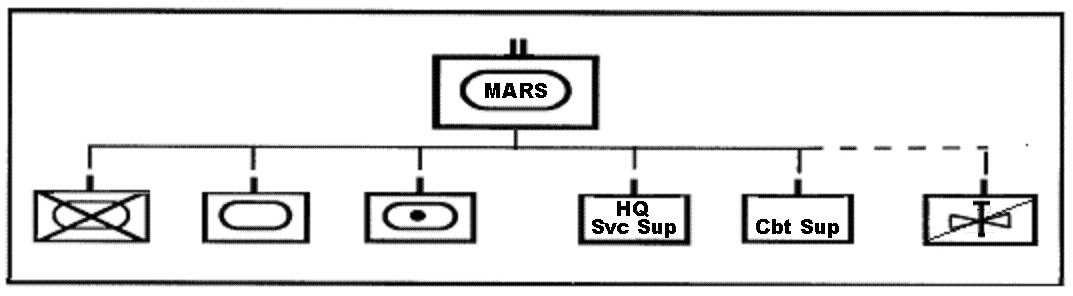
From the outset of what would become the Morrow Project, it was realized that MARS units would need a heavy support element able to deal with the possibility of a heavy armour threat, both foreign and domestic, with sustainability in the field and fuel efficiency being major concerns. These were assigned to Prime Base and Regional bases to be deployed as necessary and would also crew both Landmaster and MARS-one command vehicles. Though simplified in organizational structure based upon that of the USMC, these are integrated combined-arms units comprised of:
- A Tank company with three Tank platoons of four tanks and a HQ platoon containing two more tanks or carriers;
- An Infantry company of three Rifle platoons and a HQ and Heavy Weapons (60mm mortar, MAW, HMG) platoon;
- A Combat Support company with a Medium Mortar platoon, a Heavy (M40 or Vigilant) Anti-Tank platoon, a Reconnaissance platoon and a HQ platoon;
- An Artillery company with three Firing platoons of four self-propelled weapons systems (SPM, SPH, SPAAG) and a HQ platoon; and
- A Headquarters and Service Support Company, providing C3 and logistical support.
[Note: The Canadian MPIN equivalent were two units designated as Quick Reaction Groups temporarily assigned to MPIN Prime Base until they could be transferred to the two regional depots from which they would operate. As the depots had not come fully online in time these forces were still situated at CFB Edmonton and CFB Bagotville when hostilities commenced.]
Vehicles
Science One
The Scientific-One vehicles are lightly armoured (Level III kinetic energy protection) mobile laboratories on wheels based upon the “Overland Train” concept as per American Research Council, second Congress, (ARC II) recommendations, but only six of these were produced prior to commencement of hostilities. Though the vehicle is only lightly armoured, it is powered by a dual I-6-71 multi-fuel diesel generator/electric drive system providing power to each wheel of the control car and attached modules. The control vehicle can detach from the lab modules and explore on its own and the lab modules have their own diesel generator should this become necessary. There are only six of these vehicle sets, with one at Prime Base and five others at secondary Regional Bases around the country, and each is the focus of several other, smaller Science and Recon team satellite bases in the same area. The usual configuration is a control vehicle, a payload car, a mobile medical ward module, a medical lab module and a research lab module, all drawing power from the control car under normal conditions, for a total length of 80 meters.
While teams vary, the usual crew is six persons: driver, team leader, and four scientists/technicians; at least one of the crew is a fully qualified medical doctor and surgeon, one person will be a registered nurse “medical assistant”, and at least two people will be trained research technicians. Each control vehicle has two motorcycles and an ATV in a rear compartment with ramp access. Armament consists of a remote controlled twin-.50 cal turret fore and aft and a remotely operated M73 .30cal MMG barbette on the nose (between the NBC sensors and multi-spectrum lighting) with small arms (pistol & carbine) for personal defence. There are also two fittings for M18A1 Claymore mines on either side of the vehicle.
Each control vehicle contains living quarters for a crew of eight, including two scouts that double as a security detail. This includes sleeping quarters with eight bunks, galley and dining table for four persons, freezer, shower and toilet, and small clothes washing machine and dryer. The two hull entrances (just behind the engine bays) open into small (about 1m square: single person) airlocks. There is also a ramp hatch in the vehicle bay and a roof hatch without an airlock. The vehicle has air conditioning and a complete NBC filter and decontamination system, and can support its crew while sealed for a number of weeks with the supplies and equipment on board. A 1500-liter water tank is fitted, along with a sophisticated water filtration system, a 170 liter holding tank for the sinks and shower, and a separate 166 liter holding tank for the toilet and 360 LRPs. Several voice communication stations are installed, plus two television communication stations (one in the cab, one at the dining table), which connect the control vehicle with the attached modules and bases. Additional crew and vehicles may be transported in appropriate modules.
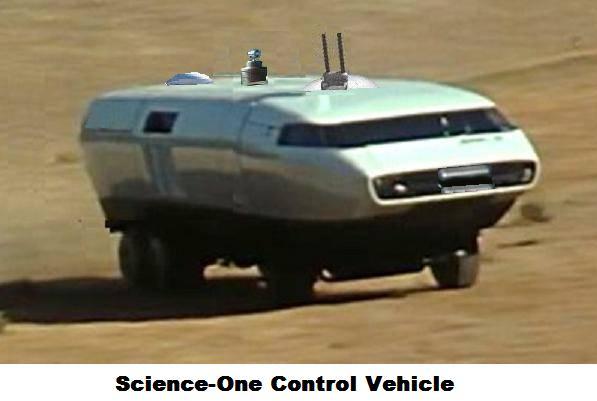
The vehicle is 12 meters in length and 2.9 meters wide and high. It weights about 35 tons and its six 75 HP electric motors, one at each wheel hub, gives the vehicle a road speed of 68 km/h fully loaded and roughly half that cross country. It has a single front-mounted Gar Wood DSA716 45,000 lb capacity winch fitted in a sealed compartment forward of the front axel with a cable drum holding 73 meters of 28mm diameter cable. There is also a 1.5 ton capacity crane mounted at the rear inside the vehicle bay that has a single Gar Wood DSA716 45,000 lb capacity winch with 35 meters of 19mm steel cable.
Science-One Module
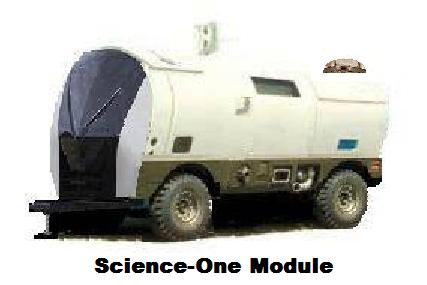
The module vehicles are of a type, each having four wheels with automatically-controlled steering and suspension and are powered from the control vehicle unless that vehicle is detached. Module types include cargo, vehicle bay, crew, mobile medical ward, medical, lab, decontamination, generator, bowser, water purification, mechanical and communications modules. There is also a flatbed module to carry light vehicles, light water craft, containers or weapons systems. Each module is 8 meters in length and 2.9 meters wide and high. They weigh about 10 tons empty and no more than 15 tons loaded and each has four 75 HP electric motors, one at each wheel, which are powered from control vehicle when mobile. Each module also as an aft mounted remote control twin-.50 cal turret so that the train can provide all-round defence in a circle harbour when deployed.
MARS-One
The MARS-ONE vehicles are the culmination of the “Landmaster” program and comprise the primary power around which MARS forces are centered. It is essentially a mobile HQ to provide C3 to division strength formations. There were only four of these vehicles produced prior to commencement of hostilities, with one at Prime Base and three others at secondary Regional Bases around the country. Each of them is the focus of several support teams frozen in the same area close enough so that they can link up should this prove necessary.
Each MARS-One vehicle consists of two heavily-armored sections, joined by a flexible armored bellows connection (Level VI kinetic energy protection). Each section has four electrically-powered wheel assemblies (the variable-pressure tires are 2.5 meters in diameter) and an active suspension. The forward section has the same dual I-6-71 multi-fuel diesel generator/electric drive system as the Science-One vehicle to provide power. In an emergency, the two sections can be uncoupled, though this takes some time, and the forward section driven independently. A large ramp at the rear of the aft section allows cargo to be rapidly loaded and unloaded and each MARS-One carries two motorcycles and an “Air Scout” in this compartment. The vehicle is operated by a crew of 12 consisting of a vehicle commander/navigator, driver, four radio operators/remote gunners, a radar/sensors operator and (missile) fire control officer, two (two-man) turret crews, and an Airscout pilot.
The vehicle has a complete NBC filter and decontamination system, and can support its crew while sealed for a period of weeks with the supplies and equipment on board (including 540 LRP meals and 3000 liters of drinking water). A sensor platform on an extensible mast carries cameras, radar, antennae, and other equipment about 5 meters above the upper deck of the forward section. The rear section includes sleeping quarters with 12 fold up bunks, a small galley and dining table for four persons, freezer, shower and toilet, and small clothes washing machine and dryer. There is also a sophisticated water filtration system, a 170 liter holding tank for the sinks and shower, and a separate 166 liter holding tank for the toilet.
The weapons systems are mounted as follows, from front to back:
- forward section: two-man turret with M9 37mm auto-cannon and coaxial M2HB .50cal HMG; two remote control twin-.50 cal turrets.
- rear section: two-man turret with Oerlikon 20mm auto-cannon and coaxial M73 .30 cal MMG; remote control missile turret housing a AIM-4G Falcon SAM and two Vigilant ATGM’s.
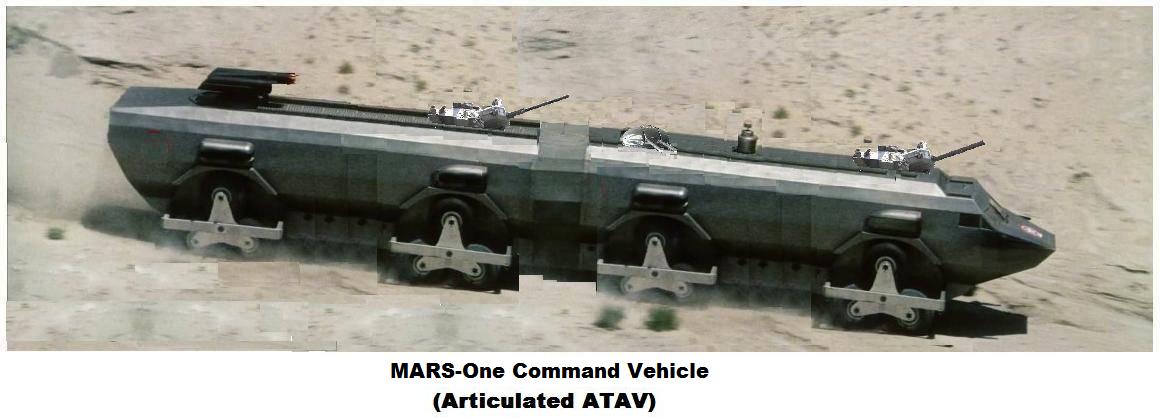
In addition, there are external attachment points for six M18A1 Claymore mines, one each on the front and rear, and one on each side of each vehicle section, along with remotely operated M73 .30cal MMG barbettes over the 3rd, 4th and 5th wheel sets on each side and over the rear ramp. Similar looking engine air intakes are over the first wheel set with louvers above for cooling and access. The vehicle is 24 meters in length, 5.5 meters wide and 3.65 meters to the top of the hull. It weights about 100 tons and its eight 75 HP electric motors, one at each wheel assembly hub, gives the vehicle a road speed of 88 km/h fully loaded with a range of 450kms. It has a single front-mounted Gar Wood DSA716 45,000 lb capacity winch fitted in a sealed compartment forward of the front axel with a cable drum holding 73 meters of 28mm diameter cable. There is also a 1.5 ton capacity crane mounted at the rear inside the vehicle bay that has a single Gar Wood DSA716 45,000 lb capacity winch with 35 meters of 19mm steel cable.
Landmaster
Essentially a scaled down version of the MARS-One vehicle to provide C3 to brigade strength formations, these are the proof-of-concept result of the Landmaster Program. There were less than a dozen of these vehicles produced prior to commencement of hostilities, with two at Prime Base and pairs of others at secondary Regional Bases around the country – primarily those that had received (or were about to receive) MARS-One vehicles. They are the focus of several support teams frozen in the same area close enough so that they can link up should this prove necessary.
As in the MARS-One, the vehicle consists of two heavily-armored sections joined by a flexible armored bellows connection (Level VI kinetic energy protection) with two electrically-powered wheel assemblies (the variable-pressure tires are 2.5 meters in diameter) and an active suspension for each. There is a single I-6-71 multi-fuel diesel generator on the forward left of the vehicle to provide power to the electric drive system, allowing an emergency escape hatch on the right just forward of the wheel set. There are also two hatches above the driver and vehicle commander position. The vehicle is usually entered via the ramp or ramp hatch, which allows cargo to be rapidly loaded and unloaded, and each carries two motorcycles in this smaller compartment.
The vehicle has a complete NBC filter and decontamination system, and can support its crew while sealed for a period of weeks with the supplies and equipment on board (including 240 LRP meals and 1000 liters of drinking water). A sensor platform on an extensible mast carries cameras, radar, antennae, and other equipment about 5 meters above the upper deck of the forward section. There are sleeping quarters with 6 fold up bunks, a small galley and dining table for three persons, freezer, shower and toilet, and small clothes washing machine and dryer. There is also a sophisticated water filtration system, a 170 liter holding tank for the sinks and shower, and a separate 166 liter holding tank for the toilet.
The vehicle is operated by a crew of 6 consisting of a vehicle commander/navigator/remote gunner, driver, two radio operators/remote gunners, a radar/sensors operator and (missile) fire control officer, and a co-driver/scout. A remote control missile turret housing a AIM-4G Falcon SAM and two Vigilant ATGM’s is situated at the rear of the vehicle with three remote control twin-.50 cal turrets on the forward section centered on the radio/sensor mast assembly. In addition, there are external attachment points for four M18A1 Claymore mines, one each on the front and rear and one on each side of each vehicle section, along with remotely operated M73 .30cal MMG barbettes over both left side wheel sets, the right aft wheel set and over the rear ramp. A similar looking engine air intake is over the forward right wheel set with louvers above for cooling and access.
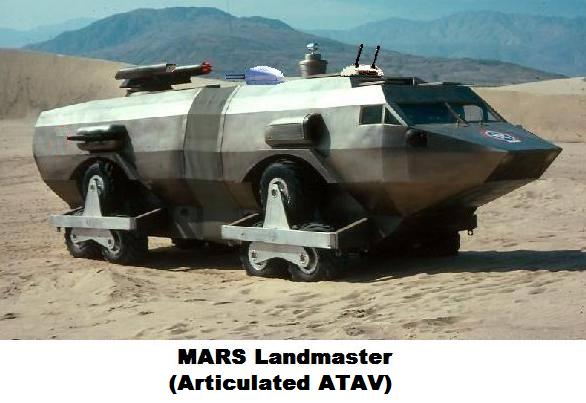
The vehicle is 11 meters in length, 5.5 meters wide and 3.65 meters to the top of the hull. It weights about 50 tons and its four 75 HP electric motors, one at each wheel assembly hub, gives the vehicle a road speed of 88 km/h fully loaded with a range of 450kms. It has a single front-mounted Gar Wood DSA716 45,000 lb capacity winch fitted in a sealed compartment forward of the front axel with a cable drum holding 73 meters of 28mm diameter cable. There is also a 1.5 ton capacity crane mounted at the rear inside the vehicle bay that has a single Gar Wood DSA716 45,000 lb capacity winch with 35 meters of 19mm steel cable.
Motorcycle
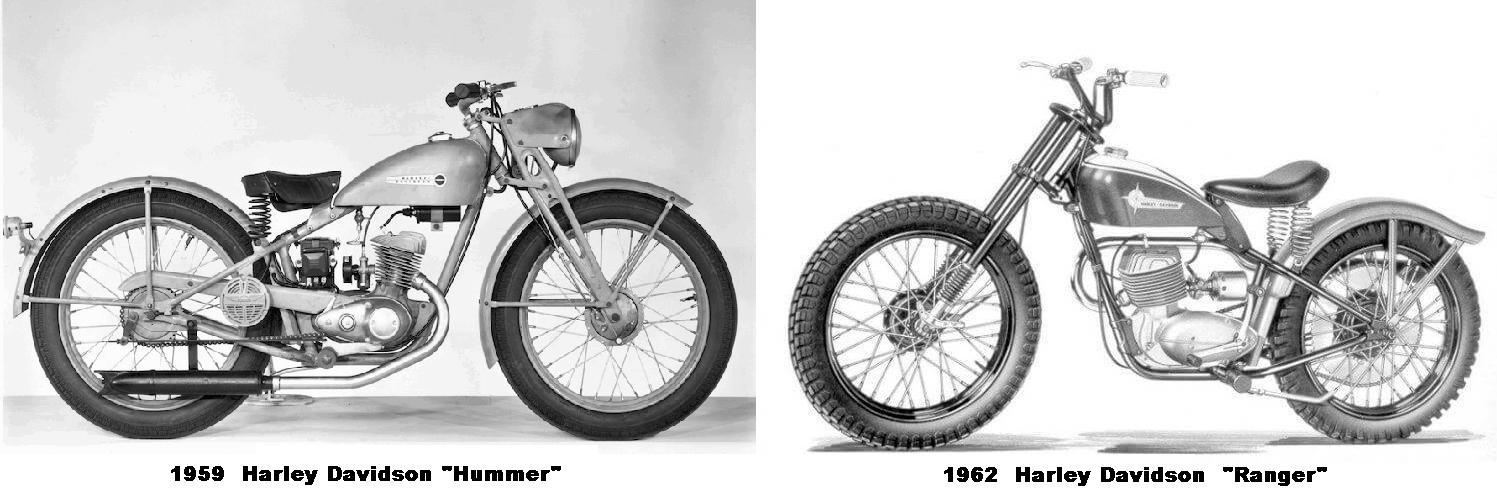
These were either 1959 Harley-Davidson “Hummer” or 1962 Harley-Davidson “Ranger” motorcycles modified for off-road use and fitted with a Hatz 5hp E75 diesel engine. This engine, which weighed just 50 kg and ran with an engine speed of up to 3000 rpm, was produced from 1958 onwards and was the first high-revving air-cooled two-stroke diesel engine with a housing made of light alloy. Vehicle weight was about 120 kg, with a top speed 80 km/h and a carry capacity of 120 kg. They were allotted to MARS-One and Science-One vehicles and all bases, to be used for scouting and courier tasks. Spare tires are available, along with studded ice tires. Regular tires weigh about 4 kg each, ice tires weigh 7 kg each. [Note: Canadian equivalent would be surplus Harley-Davidson 43WLC motorcycles issued to motorcycle scouts and dispatch riders.]
Amphibious ATV
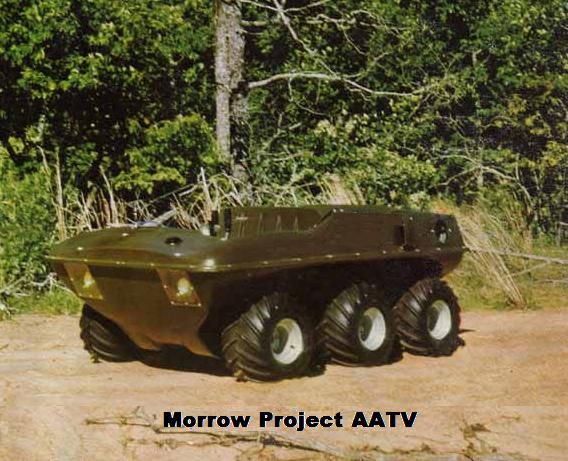
The Amphibious ATV is a six-wheeled light survey and exploration vehicle allocated to Science-One vehicles, science teams and major bases. A simple rectangular frame supports the fuel supply, engine, and open-topped ABS plastic body. It has a foam-padded vinyl-covered bench seat for two persons, and a small water-tight cargo compartment at the rear for survey equipment. There is no windshield, mirrors or roll-bar. There is also no suspension and steering is accomplished by the use of tiller bars applying the brakes to all three wheels on one side, which allows the ATV to skid-steer in a zero-radius circle. It is derived from the 200 lb “Jiger” ATV built-to-order beginning in 1961 by JGR Gunsport in Toronto, Canada, and fitted with a Hatz E80 12 hp air-cooled four-stroke diesel engine and electric drive with low pressure (around 3 PSI) balloon tires The ATV is fully amphibious, propelled in the water by its wheels, with a freeboard of 0.4 meters when fully loaded. Though it can tow M416B1 trailer, a very simple amphibious trailer is also available. The trailer is an open-topped, structurally reinforced, two wheeled plastic tub and can carry about 220 kg of cargo and still maintain a reasonable freeboard.
Air Scout
A specially modified Wallis WA-116 Agile built under licence in the United States by Gyrodyne Company of America. Modifications included 10% larger fuselage with a removable canopy and a Perkins LF 4.248 direct-injection four-cylinder, 248 cu. in. diesel engine producing 80hp. It has a the four-bladed pusher propeller with a two-bladed rotor, that can be powered by the motor prior to takeoff (“prerotation”), to provide lift. The prerotation link disconnects automatically at 240 RPM; the hub has a limited lead-lag hinge to prevent blade fatigue. The rotor assembly also includes a cross piece and the main rotor has a 1 kg tip weight at each end. The cockpit, fuselage, wing, rotor and tail boom are constructed from ballistic cloth/fiberglass skins, over an aluminum frame, with the windscreen and canopy made from Lexan polycarbonate.

Though initially unarmed, a firing port to accommodate a hard-mounted M79 40mm grenade launcher (with cut down buttstock and fitted with a trigger solenoid) and four reloads was added directly in front of the pilot. There are also fittings for two side mounted M2 (M60C) weapons systems weighing 12kg each. The guns could only be fired one at a time as their combined recoil put too great a strain on the aircraft’s engine, with the potential to cause a crash landing. The craft is 3.72 meters in length with a rotor diameter of 6.80 meters. There’s a small storage space behind the pilot’s seat – 1.2 meters high, 0.6 meters wide, and 0.3 meters deep – containing a wilderness survival kit. It can travel at 161 km/h and has a range of 209 kms and service ceiling of 10,000 ft. Only 16 of these were constructed before hostilities commenced. [Note: the closest Canadian equivalent would be 9 surplus H-13 Sioux light helicopters armed with two skid-mounted C5 GPMG’s temporarily assigned to MPIN Prime Base.]
Logistics Vehicles
– G740 (M38A1) 4×4 1/4 ton “Jeep” fitted with a Perkins LF 4.248 direct-injection four-cylinder, 248 cu. in. diesel engine producing 80hp. This would be the basis of the armoured “Scout” LRV.
– G758 (M170 series)
extended-frame 4×4 1/4 ton truck fitted
with a Perkins LF 4.248 direct-injection four-cylinder, 248 cu. in. diesel
engine producing 80hp. This would be the basis of the armoured “Ranger”
LRV.
-G741 (M37 series) 4×4 3/4 ton truck with Cummins 4BT 4 Cylinder 239 cu. in.
turbo charged diesel engine producing 105 hp.
– G742 (M35 series) 2.5 ton trucks with the Continental LD-465-1c (turbo clean air) turbocharged 478 CID multi-fuel engines producing 135hp.
– G744 (M39 series) 5 ton trucks with the Continental LDS-465-1A turbocharged 478 CID multi-fuel engines producing 175hp. Basis for Science-One modules.
– G792 (M125) 10 ton trucks fitted with a Cummins V8‑300, a 785 cu in naturally aspirated V-8 diesel engine developing 300 hp (as used on the identical M123A1 tractor). Basis for Science-One control vehicle.
Note: all vehicles come with standard available trailers and accessories.
T25E3 “Scout”
Light reconnaissance vehicle based on the 1943 armoured jeep concept utilizing the Willys M38A1 Jeep with faceted armour plate angled for maximum protection. Unofficially, the design was heavily influenced by the BA-64, a Soviet vehicle that was also based on the Willys jeep and itself influenced by the German Sdkfz 222 scout car. The “Scout” was designed to combine agility with adequate protection against small arms fire, artillery fragments, mines and NBC weapons. The armoured hulls were of all-welded steel construction varying in armour thickness from 15mm on the hull front to 6mm on the hull sides and angled at approximately 30° above the centerline to provide maximum ballistic protection (Level I kinetic energy protection). This additional weight (almost 500 kg) necessitated a substantial strengthening of the suspension and resulted in a reduced road speed. Although it can be fitted with bullet-proof combat tires, these result in higher fuel consumption and reduce road speed to 40 km/h so they are typically fitted with standard Jeep tires. It has a crew of two and is armed with a M1 .50cal cupola.
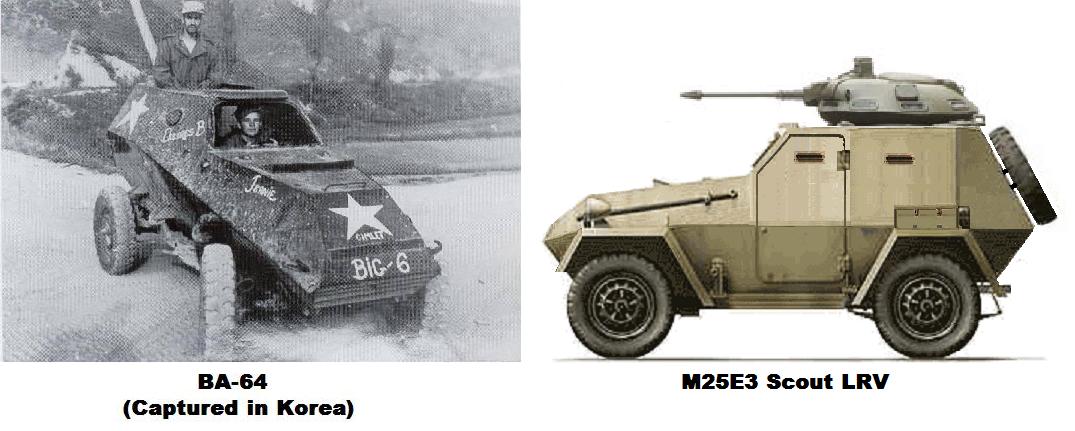
The vehicle is 3.66 meters in length, 1.74 meters wide and 2.4 meters high with a wheel base of 2.03 meters. It weights in at 2.5 tons and is powered by a Perkins LF 4.248 direct-injection four-cylinder, 248 cu. in. diesel engine producing 80hp, giving the vehicle a road speed of 80 km/h. It carries 90 liters of fuel, providing a range of 500km. [Note: the Canadian equivalent would be the Lynx scout car armed with a C5 GPMG or Otter light armoured car fitted with Fox AC turret .]
T26E2 “Ranger”
Armoured Utility Vehicle based on the 1943 armoured jeep concept utilizing the Wilys M170 Jeep. The vehicle was designed with a variety of potential applications in mind, including tactical operations, internal security, reconnaissance and long range patrols. While it featured no integral armament, provisions were made for a M60 GPMG’s by placing a ring mount above the vehicle commander’s position and two pedestals at the rear hatches. Passenger seating is provided by a split bench over the fuel tank, allowing outward-facing seats for four persons. This allows the passengers, who access the rear compartment via a single large back hatch, to maintain a full 360 degree field of view and operate any mounted machine guns.
The NBC (Nuclear Biological Chemical) reconnaissance variant includes a 7.62mm M73 armed cupola at the vehicle commander’s position to maintain positive pressure NBC protection. It also includes a air filtration system, work station with map board and folding table, chemical detection equipment, a radiation meter and dosimeter and has a crew of three.
The internal security variant is fitted with an open-top one-man turret with Oerlikon 20mm auto-cannon and a M60 GPMG firing port on the passenger side. This configuration had a crew of three but made the vehicle top heavy and decreased its off-road capability.
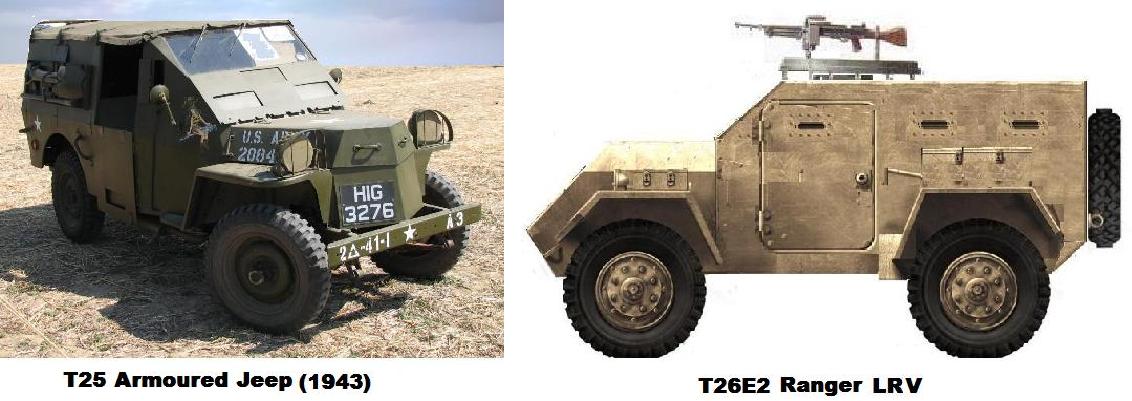
The vehicle is 3.7 meters in length, 1.74 meters wide and 1.7 – 2.4 meters high with a wheel base of 2.56 meters. It weights in at up to 3.5 tons and is powered by a Perkins LF 4.248 direct-injection four-cylinder, 248 cu. in. diesel engine producing 80hp, giving the vehicle a road speed of 65 – 70 km/h. It carries 150 liters of fuel, providing an operational range of 600km. [Note: The closest Canadian equivalent would be C15TA armoured trucks, fully armoured and armed with a C5 GPMG, which could carry up to 8 passengers as an APC and also serve as a CP vehicle.]
T17E1 Staghound
The T17E1 was an American armoured car design produced during the Second World War and supplied to British and Commonwealth forces, with a number of countries continuing to use the vehicle well after the war. The Staghound was the only 4×4 Armoured Car produced by the United States, excepting the M3/M3A1 scout car, until the development of the Cadillac Gage Commando in 1962 (production to commence in 1963). It utilized a two man turret, designed by Rock Island Arsenal, originally mounting a M6 37mm gun and coaxial .30 cal MMG. The closest comparable vehicle at the time was the French Panhard AML, which would not become available until after 1961. Therefore, beginning in 1953, the Project began acquiring Staghounds, stripped them to the hulls and completely rebuilt them for use. This rebuild would include installing a Continental LDS-465-2 multi-fuel diesel engine and Spicer 5-speed manual transmission, installing new radios and electronics, rebuilding the drive-train with a 2-speed transfer case, replacing the main armament with an Oerlikon 20mm autocannon and removing the bow machine gun hardpoint. Steering and suspension components were again directly attached to the hull as the structure was rigid enough to dispense with the need for a separate chassis.
In 1961, when the AML-60 did become available, some Staghounds were rearmed again with a Brandt 60mm LP Gun-Mortar, a 60mm breach-loading gun-mortar developed as a result of French counter-insurgency experiences during the Algerian War. This would be made available to larger Recon teams as a fire support vehicle and was the heaviest vehicle in their inventory. The Panhard AML itself was not purchased when it did become available because it was really no longer needed at that point and due to heightened security concerns.
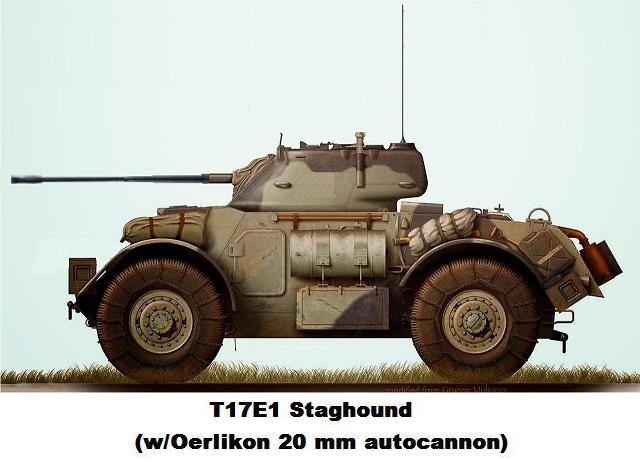
The vehicle is 5.49 meters in length, 2.69 meters wide and 2.84 meters high with a wheel base of 3.05 meters. It weights 13.9 tons, due to its weight of armour (Level IV kinetic energy protection), has a road speed of 100 km/h and an operational range of 480km. [Note: Canadian MPIN are known to have had several of these vehicles, in original configuration, in their inventory temporarily assigned to MPIN Prime Base. They were supplemented by Fox armoured cars either in their original configuration for use by satellite bases or fitted with Humber Mk. IV turrets (as per Dutch “Humfox”) to be used at regional bases.]
M38 Wolfhound
The M38 Wolfhound was a 6×6 US armoured car produced in 1944 by the Chevrolet division of General Motors. It was designed as a replacement for the M8 Greyhound series, but the end of the war in 1945 led to the cancellation of the project after the completion of a handful of prototype vehicles. In 1952 the British began producing the FV603 Saracen Wheeled APC with a very similar chassis to that of the Wolfhound, and Project administrators, seeing the usefulness of such a vehicle, decided to resurrect the program in 1953. The surviving prototype was a Wolfhound chassis mounting a M24 Chaffee turret armed with a M6 75mm tank gun and co-axial M73 7.62mm MMG. As surplus M24 turrets were readily available, this was the first variant to go into production in 1957, with a new engine, updated systems and fitted with a .30 cal M1 cupola, as a MARS fire support vehicle.
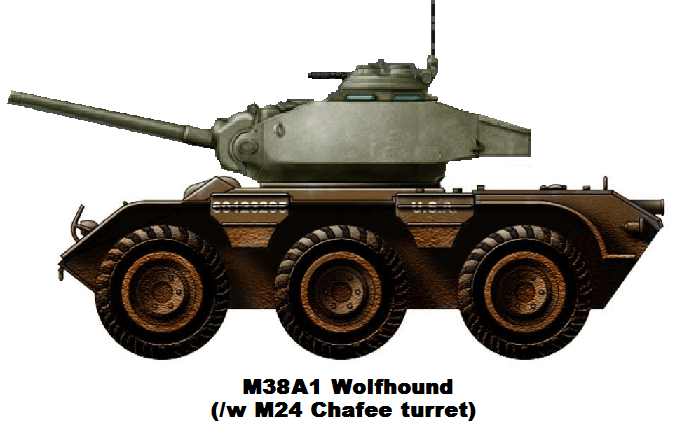
The vehicle is 5.11 meters in length, 2.44 meters wide and 2.40 meters high with a wheel base of 3.0 meters. It weights 11.9 tons with a Level IV kinetic energy protection. and was powered by a Continental LDS-465-2 multi-fuel diesel engine, producing 195 hp, providing a road speed of 87 km/h and an operational range of 483km.
T17 Deerhound
The Ford built T17 was a close cousin to the highly successful Staghound and developed at the same time but was relegated to obscurity when it was found to be unsuitable to combat conditions during WWII. Production of the Deerhound started in October 1942 and continued until production of the M8 Greyhound, which the US military decided to adopt instead, could be started in March 1943. The 250 units produced, disarmed and without turrets, were given to the US Army Military Police Corps for use in the United States. For this reason most of the 250 hulls were still extant in 1953 and quickly acquired by the Project administrators to be rebuilt along with the Staghound vehicles to quickly provide a wheeled APC for MARS teams. The engine compartment was moved to the co-driver’s position, retaining the driver’s and gunner’s positions in tandem along the left side with the gunner manning a M1 .50 cal cupola. This left the entire rear of the vehicle open with a split bench over a center mounted 180 liter fuel tank to accommodate troops. The new rear compartment was accessed by two large hatches at the back and had two roof hatches, each with a pedestal mount for a M60 GPMG, to allow for point defence. These were to be replaced in the early ’60s by Foxhound APCs and relegated to second line use, such as heavy weapons vehicles for 81mm mortar teams.
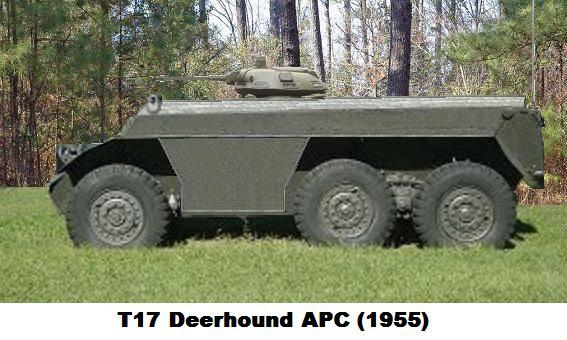
The vehicle is 5.54 meters in length, 2.59 meters wide and 2.0 meters high with a wheel base of 3.7 meters. It weights 13.5 tons with a Level IV kinetic energy protection. and was powered by a Continental LDS-465-2 multi-fuel diesel engine, producing 195 hp, providing a road speed of 97 km/h and an operational range of 560km.
M38E1 Foxhound
As the blueprints and many of the dies for the M38 Wolfhound still existed it was not all that difficult to begin production of the chassis but turning that into an APC for MARS teams required some development. Matters were aided by the willingness of Alvis (for a small consideration) to provide blueprints for the Saracen as a starting point and many features of the vehicle found their way into the Foxhound. The layout was reversed, with the engine compartment now at the front, and a new superstructure was added to the chassis, beginning just behind the engine compartment, to provide a large crew/passenger compartment for troops. The side-by-side arrangement was retained for the driver and vehicle commander/gunner with room for 8 troops on a central split bench over a 190 liter fuel tank. Unlike the Deerhound, each soldier had a viewing port and firing port to make the Foxhound a true IFV. Access was via two large hatches at the back with four large roof hatches over the passenger compartment and two smaller hatches above the driver and gunner position. A ring mount was provided over the gunners hatch and two pedestal mounts at the rear hatches to mount up to three M60 GPMG’s.
Production began in 1959 in a number of variants including:
- an armoured personnel carrier;
- an armoured command vehicle, with an additional radio and a .50 cal HMG in M1 cupola;
- an armoured reconnaissance vehicle, with high powered optics, night vision optics and a 20mm autocannon armed Staghound turret.
- an anti-tank carrier with two Vigilant ATGM’s, one either side of a modified Staghound turret (main weapon replaced with sighting system), and eight additional cased missiles stored inside;
- an armoured ambulance;
- an armoured command post with a higher roof to the passenger compartment, additional radios, a small built-in generator compartment beside the driver (occupying the gunner position) and fittings for a canvas penthouse to the rear and sides;
- an armoured engineer vehicle based on the larger ACP; and
- an armoured recovery vehicle.
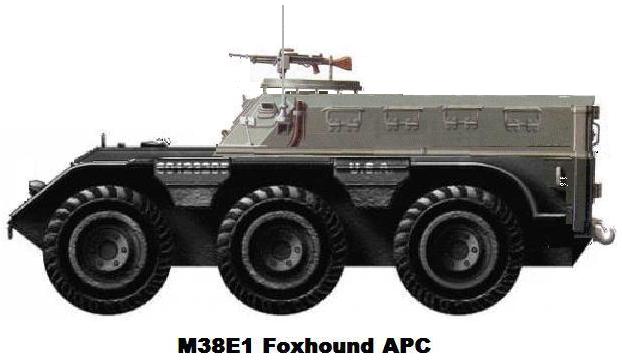
The vehicle is 5.11 meters in length, 2.44 meters wide and 2.20 meters high with a wheel base of 3.0 meters. It weights 11.0 tons with a Level IV kinetic energy protection. and was powered by a Continental LDS-465-2 multi-fuel diesel engine, producing 195 hp, providing a road speed of 95 km/h and an operational range of 483km.
M24 Chaffee
The M24 Chaffee light tank went into production in 1944 to replace the aging and obsolete M3/M5 Stuart in the armoured reconnaissance role, entering widespread use in December of that year. In the Korean War, M24s were the initial U.S. tanks directed to combat North Korean forces but fared poorly against their better armed and armored T-34-85s. M24s were more successful later in the war in their reconnaissance role, supported by heavier and more capable main battle tanks, but was already being replaced by the M41 Walker Bulldog by the time the war ended in 1953. As a large number of M24 Chaffee light tanks and variants had become available it was decided to acquire and modify these to equip units designated as “MARS-Heavy”. Surplus M24s were refurbished, re-engined with two Continental LDS-465-2 multi-fuel diesel engines and fitted with a modern T37 turret (created as part of the M41 development program) armed with a T94 high velocity 76mm gun, a co-axial M73 .30cal MMG and a .50 cal M1 cupola .
Production began in 1954 in a number of variants including:
- an armored personnel carrier (M59);
- an armoured reconnaissance vehicle;
- a self-propelled heavy mortar carrier (M84);
- a M40 recoilless rifle armed anti-tank carrier;
- a Vigilant ATGM armed anti-tank carrier (1962);
- a self-propelled howitzer (M37);
- a self-propelled anti-aircraft gun (M19A1);
- a AIM-4G Falcon armed SAM carrier (1962);
- an armoured command post;
- a fire control radar carrier to coordinate SHORAD assets (1962);
- an engineer vehicle; and
- a recovery vehicle.
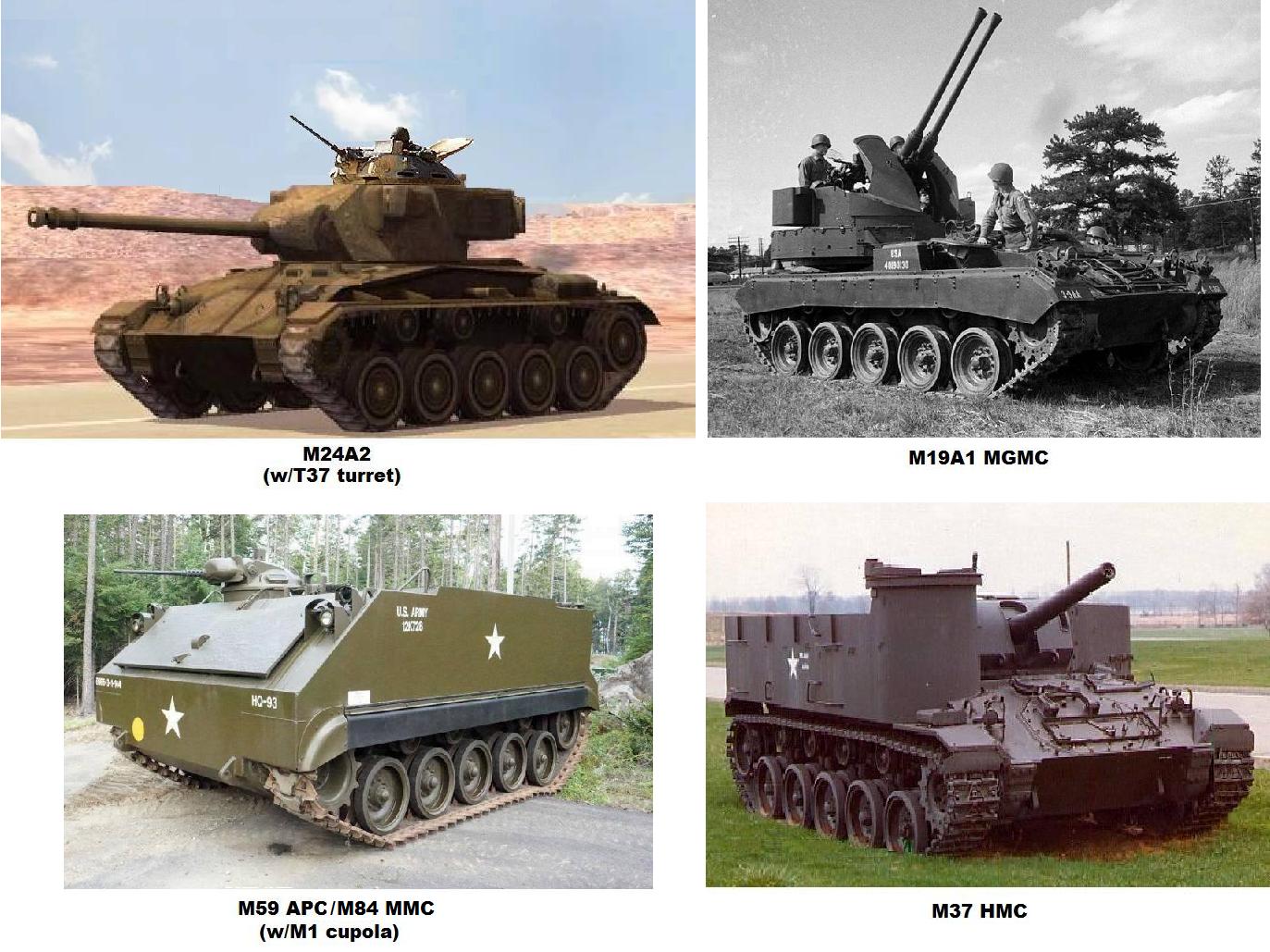
The vehicle is 5.56 meters in length, 3.0 meters wide and 2.77 meters high with a wheel base of 3.0 meters. It weights 18.37 tons and all carrier versions have Level IV kinetic energy protection. It has a road speed of 56 – 60 km/h and a 420 liter fuel capacity providing an operational range of 483km. [Note: Canadian MPIN were known to have 32 M24 light tanks in their inventory, eight of which were fitted with surplus Skink 20mm anti-aircraft turrets. Another 16 had their turrets removed and were converted to M40 anti-tank carriers and 4.2-inch mortar carriers, eight of each type, all temporarily assigned to MPIN Prime Base.]
Weapons
USMC Ka-Bar
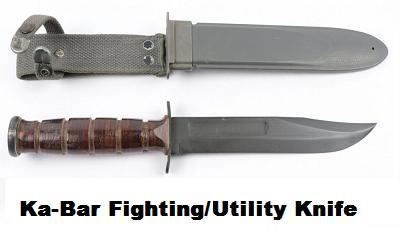
The”Knife, Fighting/Utility, Mark 2″, or Ka-Bar, is the combat knife first adopted by the United States Marine Corps in November 1942 and subsequently adopted by the United States Navy. A version was also made for the General Infantry of the United States Army by Camillus. As its name implied, knife was designed from the outset as a dual-purpose knife: it was both an effective combat knife and a utility tool, well-suited to the type of jungle warfare encountered by Marines in the Pacific theater. The Ka-Bar proved easy to manufacture with the first production run shipped by Camillus in January 1943. By 1944 the Ka-Bar knife was issued to virtually any Marine in the combat branches who desired one and was in use by Marine Corps close combat instructors for training new recruits. After the Second World War, the U.S. Navy and Marine Corps continued to use the Ka-Bar Fighting/Utility knife, including in Korea and Vietnam.
Specifications
- Weight: 0.32 kg
- Length: 30.16 cm
- Blade length: 18 cm
- Blade type: clip point
- Hilt type: Stacked leather washers
- Scabbard/sheath: Leather (USMC) or plastic (USN)
M6 Bayonet
The M6 Bayonet is a rifle bayonet was introduced in 1957 to be used for the new M14 battle rifle, which was introduced at the same time. Like its predecessor, the M6 was intended to serve additional roles as a combat knife and utility knife based on the WWII designed M3 Trench Knife The M6 fits over the muzzle of the rifle, locking onto a lug on the barrel, and has a spring-loaded lever near the guard which when depressed releases the bayonet.

Specifications
- Weight: 0.27 kg
- Length: 11.75 in (29.8 cm)
- Blade length: 6.75 in (17.1 cm)
- Blade type: Spear Point
- Scabbard/sheath: M8 & M8A1
- Scabbard/sheath: plastic
M1917 Revolvers
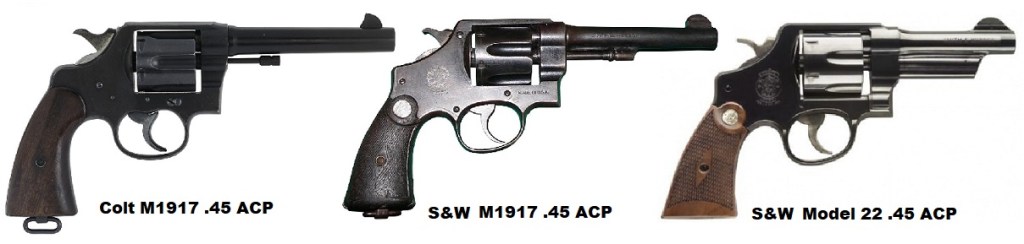
The M1917 Revolvers were six-shot, .45 ACP, large frame double-action revolvers adopted by the United States Military in 1917 to supplement insufficient stocks of the standard M1911 pistol during World War I. There were two variations of the M1917, one made by Colt and the other by Smith & Wesson. They were simply Colt New Service and S&W 2nd Model New Century revolvers re-chambered to take the .45 ACP cartridge and used moon-clips or half-moon clips to hold the cartridges in position, facilitate reloading, and to aid in extraction. The M1917s saw action again during World War II, when it was issued to “specialty troops such as tankers and artillery personnel”, and were again issued to support-troops during the Korean War. In 1932 Colt produced approximately 1000 of these revolvers for the civilian market from left over parts of the M1917 run. Smith & Wesson kept their version in production for civilian and police sales until they replaced it with their refined version Smith & Wesson Model 22 in 1950. Supplies of these revolvers were included in caches to be provided to reliable allied survivor groups that could assist in reconstruction efforts.
Colt Model 1911A1
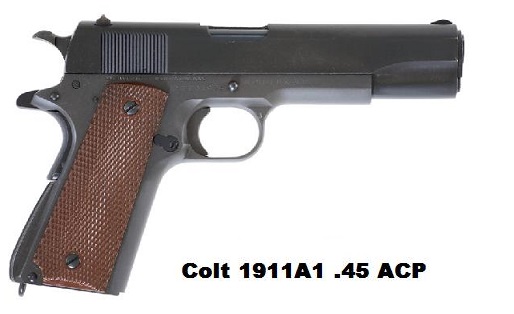
The M1911 served as the standard-issue sidearm for the United States Armed Forces from 1911 and was widely used in all wars involving the United States and by various foreign militaries worldwide, with around 2.7 million M1911 and M1911A1 pistols produced during its service life. The pistol was widely copied and its short recoil operating system rose to become the preeminent type of the 20th century and of nearly all modern centerfire pistols.
Specifications
- Weight: 1.1kg empty, with magazine
- Length: 210 mm
- Barrel length:
- Government model: 127 mm
- Commander model: 108 mm
- Officer’s ACP model: 89 mm
- Cartridge: .45 ACP
- Effective range: 50 m
- Action: Short recoil operation
- Muzzle velocity: 253 m/s
- Feed system: 7 round standard detachable box magazine
M3A1 SMG
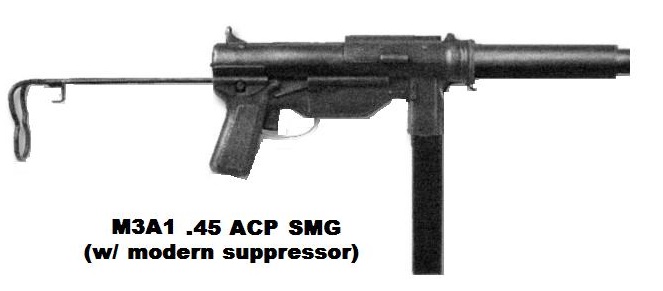
The M3 was an American .45-caliber submachine gun adopted for U.S. Army service on 12 December 1942. The M3 was intended as a replacement for the Thompson, and began to enter front line service in mid 1944 but due to delays caused by production issues and approved specification changes, the M3 saw only limited combat use in World War II but, as the improved M3A1, was used extensively in the Korean War and later conflicts. The M3 and M3A1 were largely withdrawn from U.S. frontline service beginning in 1959 but continued to be used as a crew weapon for armored vehicles and, equipped with an integral sound suppressor, by commandos and special forces. These were replaced in all bases in 1960 but some overlooked supplies might still be found in caches and depots.
Specifications
- Weight: 3.61 kg empty, with magazine
- Length: 556.3 mm / 740 mm with stock extended
- Barrel length: 203.2 mm
- Cartridge: .45 ACP
- Effective range: 100 m
- Action: Blowback, open bolt
- Rate of fire: 450 rounds/min (full automatic)
- Muzzle velocity: 280 m/s
- Feed system: 30- round detachable box magazine
Thompson M1A1
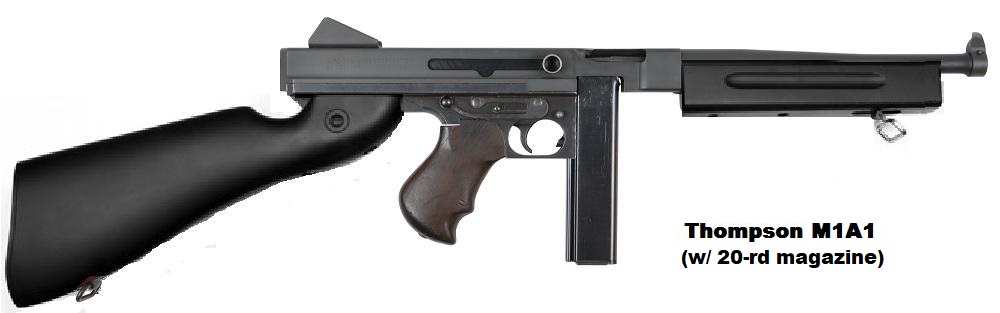
The Thompson submachine gun is an American submachine gun invented in 1918 and was favoured by soldiers, criminals, police, FBI and civilians alike for its large .45 ACP cartridge, accuracy, and high volume of fully automatic fire. In 1938, the Thompson submachine gun was adopted by the U.S. military in two types, the M1928A1 and the M1 and M1A1, serving during World War II and beyond. The M1 was a simplified version of the M1928A1 that could accept both 20 and 30 rd box magazines, but would not accept the drum magazine. It had no cooling fins, a simplified rear sight, provisions only for box magazines, employed a straight blowback action and the charging handle was on the side of the receiver. The M1A1, standardized in October 1942, had the firing pin machined to the face of the bolt and the reinforced stock and protective sight wings were standard. The Army introduced the U.S. M3 and M3A1 submachine guns in 1943 with plans to produce the latter in numbers sufficient to cancel future orders for the Thompson, while gradually withdrawing it from the first-line service. However by the end of World War II the Thompson, with a total wartime production of over 1.5 million, still outnumbered the M3/M3A1 submachine guns in service by nearly three to one. Other than replacing the wooden furniture with fiberglass the weapon remains unchanged for Project use as a select-fire carbine. Supplies of M1A1 carbines that had been part of the 1955 TOE were retained and included in caches to be provided to reliable allied survivor groups that could assist in reconstruction efforts.
Specifications
- Weight: 4.9 kg empty, with magazine
- Length: 810 mm
- Barrel length: 267 mm
- Cartridge: .45 ACP
- Effective range: 150 m
- Action: Blowback, Blish Lock
- Rate of fire: 625 rounds/min (full automatic)
- Muzzle velocity: 285 m/s
- Feed system: 20- round detachable box magazine
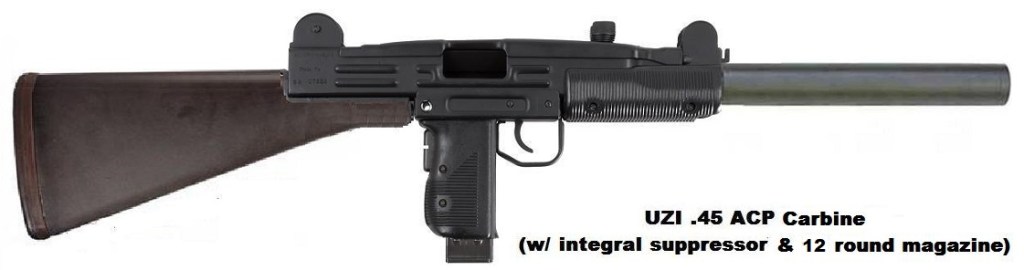
IMI Uzi
The Uzi is a family of Israeli open-bolt, blowback-operated submachine guns and one of the first weapons to use a telescoping bolt design that allowed the magazine to be housed in the pistol grip for a shorter weapon. First introduced to IDF special forces in 1954 and placed into general issue two years late, the Uzi has found use as a personal defence weapon by rear-echelon troops, officers, artillery troops and tankers, as well as a frontline weapon by elite light infantry assault forces. These were purchased by the Project administrators in early-1960 to replace existing .45 ACP M3 “Grease Gun” SMGs and M1A1 Thompson selective-fire carbines that had been part of the 1955 TOE. They were manufactured in .45 ACP with a 16 inch barrel, fixed high-impact plastic buttstock and an integral sound suppressor similar to that designed for the M3. They were designated as select-fire carbines, to be employed in close quarters fighting and as personal defence/crew weapons, a role previously filled by M1A1 Thompson select-fire carbines.
Specifications
- Weight: 3.5 kg empty, with magazine
- Length: 790 mm
- Barrel length: 410 mm
- Cartridge: .45 ACP
- Effective range: 200 m
- Action: Blowback, open bolt operation
- Rate of fire: 500 rounds/min (full automatic)
- Muzzle velocity: 295 m/s
- Feed system: 12- or 22- round detachable box magazine
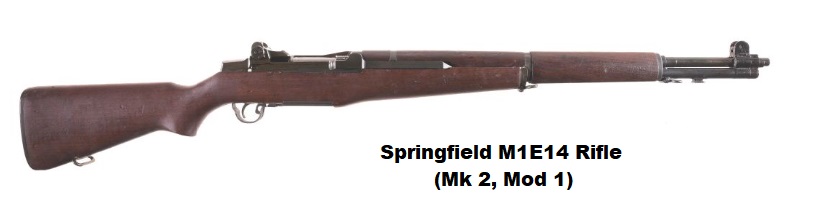
Springfield M1E14
The M1 Garand, initially produced at Springfield Armory, was a .30-06 caliber semi-automatic rifle that was the standard U.S. service rifle during World War II and the Korean War and also saw limited service post-War. Most M1 rifles were issued to U.S. forces until replaced by the selective fire M14 rifle in 1959, though many hundreds of thousands were also provided as foreign aid to American allies, and remained in service with the Army Reserve, Army National Guard and the Navy afterward as the M1E14 (Mk 2 Mod 1) rechambered for the 7.62mm NATO round. These were also produced in Italy as the Beretta Model 1952 and improved Beretta BM 59, which incorporated selective fire, a removable 20-round M14 magazine, folding bipod and a combined flash suppressor/rifle grenade launcher. Supplies of M1E14 rifles that had been part of the 1955 TOE were retained and included in caches to be provided to reliable allied survivor groups that could assist in reconstruction efforts.
Specifications
- Weight: 4.31 kg empty
- Length: 1100 mm
- Barrel length: 610 mm
- Cartridge: 7.62 x 51 mm NATO
- Effective range: 457 m, 1000 m with telescopic sights.
- Action: Gas operated, rotating bolt
- Rate of fire: 40-50 rounds/min
- Muzzle velocity: 853 m/s
- Feed system: 10-round internal magazine loaded by 5-round stripper clips
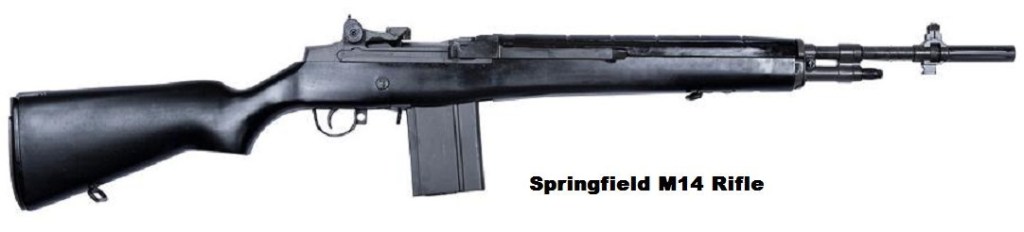
Springfield M14
The M14 rifle is an American select-fire 7.62mm NATO rifle that became the standard-issued rifle for the U.S. military in 1959, replacing the M1 Garand rifle in the U.S. Army by 1961. Other than replacing the wooden furniture with fiberglass the weapon remains unchanged for Project use and replaced all M1E14 rifles, except for the sniper variant (as per M1D w/M84 scope), in all bases by the end of 1960.
Specifications
- Weight: 4.01 kg empty, without magazine
- Length: 1126 mm
- Barrel length: 559 mm
- Cartridge: 7.62 x 51 mm NATO
- Effective range: 460 m, 800 m with telescopic sights.
- Action: Gas operated, rotating bolt
- Rate of fire: 50 rounds/min (semi-automatic), 700 rounds/min (full automatic)
- Muzzle velocity: 850 m/s
- Feed system: 20-round detachable box magazine
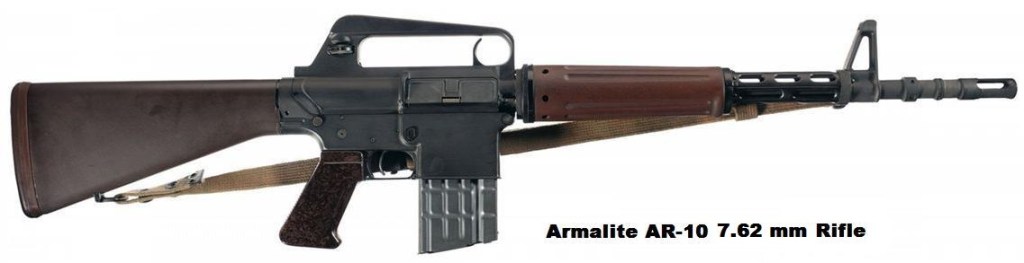
ArmaLite AR-10P
The ArmaLite AR-10 is a 7.62mm NATO battle rifle developed by Eugene Stoner in the late 1950s and manufactured by ArmaLite, then a division of the Fairchild Aircraft Corporation. When first introduced in 1956, the AR-10 used an innovative straight-line barrel/stock design with phenolic composite and forged alloy parts resulting in a small arm significantly easier to control in automatic fire and over 1 lb (0.45 kg) lighter than other infantry rifles of the day. At the time the United States Army was in the midst of testing several rifles to replace the obsolete M1 Garand, including the T44 (M14) and T48 (FN-FAL), and ArmaLite was late to enter the competition. For a 7.62mm NATO rifle, the AR-10 prototype was incredibly lightweight at only 6.85 lbs. empty and initial comments by Springfield Armory test staff were favorable, with some testers commented that the AR-10 was the best lightweight automatic rifle ever tested by the Armory. However, the final Springfield Armory report advised against adoption of the rifle, stating that it would take “five years or more to take it through tests to adoption” and it was the T44 that entered production as the M14 rifle in 1957.
Subsequent U.S. Army tests in November 1960, and later Portuguese service, earned the AR-10 a reputation for accuracy and reliability in combat despite rugged service conditions in African jungle and savannah. The Portuguese model, as it was known, incorporated all that had been learned to date and included a heavier barrel with chrome-lined chamber, optional bipod and telescopic sights, removable plastic/metal hand guards, wider bolt lugs, a stronger extractor, a new simplified three-position gas regulator, and a cocking handle featuring a forward bolt assist. For that reason, Project administrators decided in early-1962 to replace all M14 rifles then in use or storage with the more modern and now highly developed AR-10P with 18 inch barrel and M6 bayonet lug. That effort, however, was overtaken by events and only Prime Base, most regional bases and a few depots received the new weapon.
Specifications
- Weight: 4.05 kg empty, without magazine
- Length: 1000 mm
- Barrel length: 457 mm
- Cartridge: 7.62 x 51 mm NATO
- Effective range: 600 m, 700 m with telescopic sights.
- Action: Direct Impingement, rotating bolt
- Rate of fire: 50 rounds/min (semi-automatic), 700 rounds/min (full automatic)
- Muzzle velocity: 820 m/s
- Feed system: 20-round detachable box magazine
Remington 11-48R/P
The Remington 11-48 is a semi-automatic shotgun manufactured by Remington Arms beginning in 1949 as the first of the “New Generation” semi-autos produced after WWII. When a chambered shell is fired, the barrel and bolt recoiling together (for a distance greater than the shell length) re-cock the hammer, eject the spent shell, and feed another shell from the magazine into the action. The 11-48 was revolutionary in that it ushered in stamped steel components for a lower cost of assembly, featured truly interchangeable parts not requiring fitting by a gunsmith and was reliable in the extreme. It was designed by John Vasswos, foremost industrial designer and chief of the OSS “Spy School” in Cairo, Egypt from 1942-1945. The Project version, specifically modified for close combat, is derived from the Model 11 Police/Riot variant with injection molded plastic furniture, a 18 inch barrel and 6 shot magazine (2-round extension) protected by the forestock.
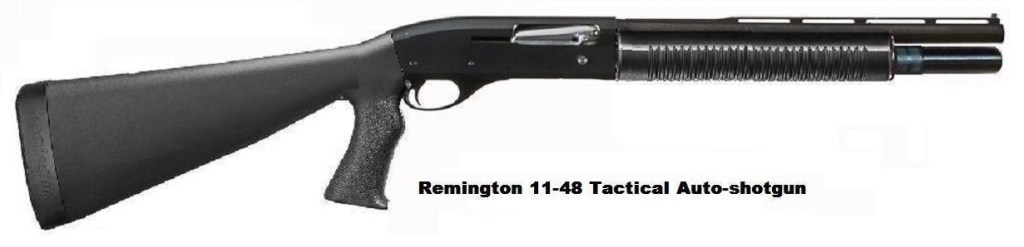
Specifications
- Weight: 3.5 kg empty, with magazine
- Length: 1016 mm
- Barrel length: 457 mm
- Cartridge: 12 gauge
- Effective range: 40 m
- Action: semi-automatic, recoil operated
- Muzzle velocity: 295 m/s
- Feed system: 6-shot internal tube magazine
T34 Squad Automatic Weapon
The M1918 Browning Automatic Rifle (BAR) was chambered for the .30-06 Springfield rifle cartridge and designed by John Browning in 1917 for the American Expeditionary Forces in Europe during World War I, though it didn’t become standard issue in the US Army until 1938 when it was issued to squads as a portable light machine gun. As such, the M1918A2 BAR saw extensive service in both World War II and the Korean War and limited service in Vietnam after the US Army began prematurely phasing it out in the 1950s. This left them without a portable light machine gun until the introduction of the M60 machine gun in 1957 and to fill that gap the T34 variant, developed by Springfield to chamber the new 7.62mm NATO round (as per FN-DA1), was brought into service and remained in use by the Army National Guard thereafter. Supplies of T34 BAR’s that had been part of the 1955 TOE were retained and included in caches to be provided to reliable allied survivor groups that could assist in reconstruction efforts.
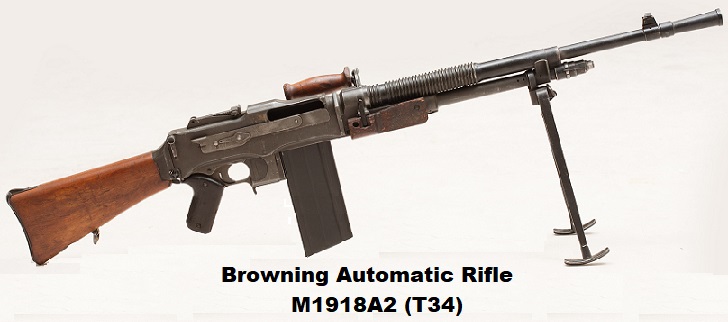
Specifications
- Weight: 9.0 kg (w/bi-pod)
- Length: 1110 mm
- Barrel length: 610 mm
- Cartridge: 7.62 x 51 mm NATO
- Effective range: 1100 m
- Action: Gas-operated, rising bolt lock
- Rate of fire: 600 rounds/min
- Muzzle velocity: 853 m/s
- Feed system: 40-round (1.1 kg) detachable box magazine
M60 General Purpose Machine Gun
The M60 is a belt-fed machine gun that fires the 7.62mm NATO cartridge and is generally used as crew-served weapon and operated by a team of two or three individuals. It was intended to replace the M1918A2 (T34, 7.62mm) Browning Automatic Rifle and M1919A6 (T66, 7.62mm) Browning Machine Gun, in the squad automatic weapon role and in the general purpose machine gun role respectively, that had been part of the 1955 TOE. The M60 can be accurately fired at short ranges from the shoulder thanks to its design. M60 ammunition comes in a cloth bandolier, reinforced to allow it to be hung from the feed tray, containing a cardboard box of 100 pre-linked rounds. The U.S. Army officially adopted the M60 in 1957 and it served as a squad automatic weapon (SAW), with each section level formation having one M60, as well as a GPMG.
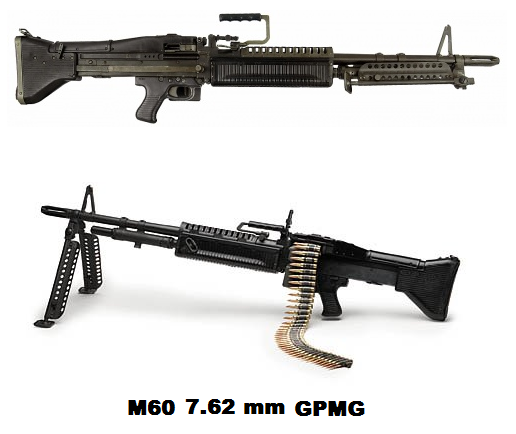
Specifications
- Weight: 10.5 kg
- Length: 1105 mm
- Barrel length: 560 mm
- Cartridge: 7.62 x 51 mm NATO
- Effective range: 1100 m
- Action: Gas-operated, short-stroke gas piston, open bolt
- Rate of fire: 500–650 rounds/min
- Muzzle velocity: 853 m/s
- Feed system: Disintegrating belt with M13 links.
M2HB Heavy Machine Gun
The Browning M2 .50 cal heavy machine gun was designed toward the end of WWI by John Browning and is similar in design to his earlier M1919 .30 cal machine gun. It is effective against infantry, unarmored or lightly armored vehicles and boats, light fortifications and low-flying aircraft and has been used extensively as a vehicle weapon and for aircraft armament by the United States from the 1930s. Current ammunition types include M33 Ball for personnel and light material targets, M17 tracer, M8 API, M20 API-T.
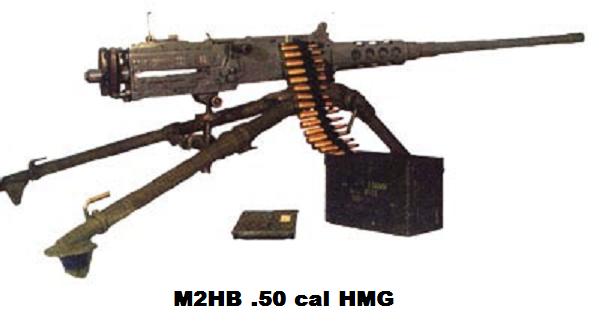
Specifications
- Weight: 38 kg, 58 kg with tripod
- Length: 1654 mm
- Barrel length: 1143 mm
- Cartridge: 12.7 mm x 99 mm NATO
- Effective range: 1800 m
- Action: short recoil operated, closed bolt
- Rate of fire: 450–600 rounds/min
- Muzzle velocity: 890 m/s
- Feed system: Disintegrating belt with M9 links.
M2A1 and M61 Grenade
The M2 grenade is a fragmentation type anti-personnel hand grenade introduced by the U.S. armed forces in 1918. It was the standard issue anti-personnel grenade used during World War II and in later conflicts. It was gradually phased out of service beginning with the Korean War but, due to the tremendous quantity manufactured during World War II, remained in limited standard issue with the US Army and US Marine Corps throughout the 1950s and 1960s.
The M2 was replaced as standard issue by the M26, which entered service around 1952 and was used in combat during the Korean War. The M26 has a smooth body and fragmentation is enhanced by a special pre-notched fragmentation coil that lies along the inside of the grenade’s body, which had an improved square cross-section in the M26A1. The M61 is the M26A1 with an extra safety (called the “jungle clip”) attached to the safety level to prevent the safety lever from flying off and allowing the striker to function if the safety pin gets accidentally pulled out by snagging it on jungle vegetation.
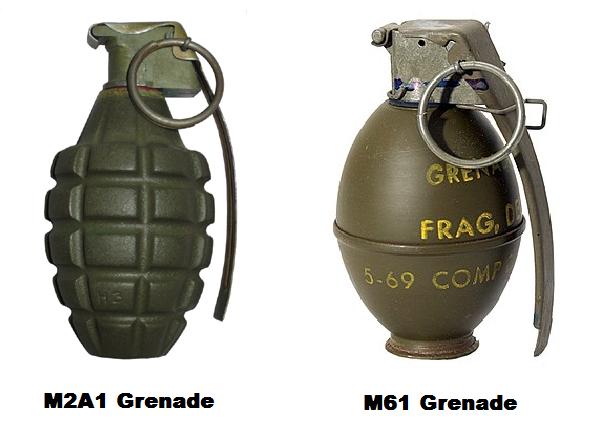
Specifications
- Weight: 595 g / 454 g
- Length: 114 mm / 99 mm
- Diameter: 58 mm / 57 mm
- Detonator: M204-series 4–5 second time delay fuse
M79 40 mm Grenade Launcher
The M79 grenade launcher is a single-shot, shoulder-fired, break action 40mm grenade launcher that was developed by the U.S. Army in an attempt to increase firepower for the infantryman by having an explosive projectile more accurate with further range than rifle grenades but more portable than a mortar. It was officially adopted in December 1960, with one M79 assigned per section.
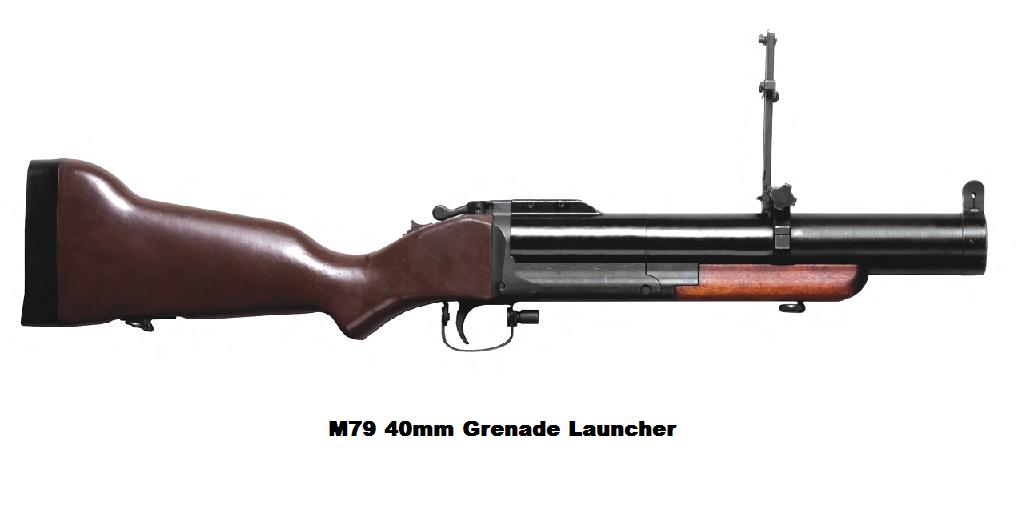
Specifications
- Weight: 2.7 kg empty
- Length: 73.1 mm
- Barrel length: 36.8 mm
- Cartridge: 40×46 mm grenade – M381 and M386 HE, M397A1 Airburst
- Effective range: 350 m
- Action: Break action, breech-loaded, single-shot
- Rate of fire: 6 rounds/min
- Muzzle velocity: 76 m/s
M2 60 mm Mortar
The M2 Mortar is a 60 millimeter smoothbore, muzzle-loading, high-angle-of-fire weapon used by U.S. forces from 1940 for light infantry support. It was developed from the heavier M1 81 mm mortar to provide a lighter-weight alternative to company-level fire support and bridge the gap between the 81 mm mortar and the rifle grenade. Though classed as a light mortar, the M2 had considerable range a high rate of fire by trained crews. Each platoon heavy weapons section had one such mortar.

Specifications
- Weight: 19 kg
- Length: 790 mm
- Barrel length: 726 mm
- Cartridge: 60 mm – M49A2/A3 HE; M302 WP; M83 Illuminating
- Effective range: 1800 m
- Action: drop-fire, fixed-firing pin
- Rate of fire: 18 rounds/min
- Muzzle velocity: 158 m/s
M29 81 mm Mortar
The M29 is an American-produced 81 millimeter smoothbore, muzzle-loading, high-angle-of-fire weapon that began replacing the M1 mortar in U.S. service in 1952, being lighter and with greater range. Four such mortars were to equip a battalion level formation.
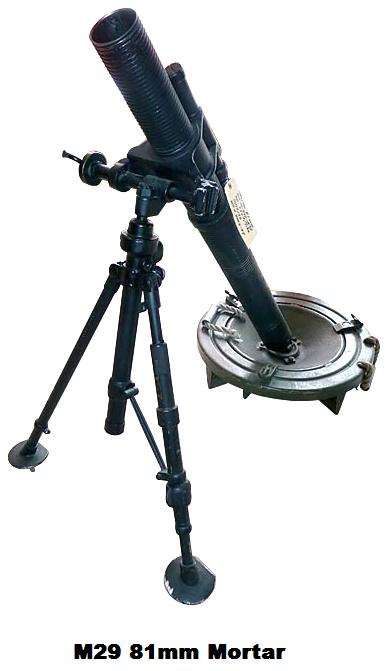
Specifications
- Weight: 62 kg
- Length: 1190 mm
- Barrel length: 410 mm
- Cartridge: 81mm – M43A1, M45 and M56 HE; M57 WP and M57 FS; M301 Illuminating
- Effective range: up to 4700 m
- Action: drop-fire, fixed-firing pin
- Rate of fire: 12 rounds/min sustained, 30 rounds/min maximum for one minute
- Muzzle velocity: 210 m/s
M20A1 90mm Anti-tank Weapon
The M20 is a man-portable recoilless anti-tank weapon, adopted by the United States Army at the close of World War II and widely fielded during the Korean War. By the time of the war in Vietnam, US Marines were using the much improved M20A1 against enemy fortifications and emplacements with success, as enemy armored vehicles proved exceedingly rare. Two such weapons were to equip a platoon level formations as a part of their heavy weapons section.

Specifications
- Weight: 6.5 kg empty
- Length: 1524 mm
- Barrel length: 410 mm
- Cartridge: 90 mm – M28A2 HEAT; M30 WP
- Effective range: 270 m
- Action: rocket propelled
- Rate of fire: 6 rounds/min
- Muzzle velocity: 80.77 m/s
 In Janissarius Scripturam